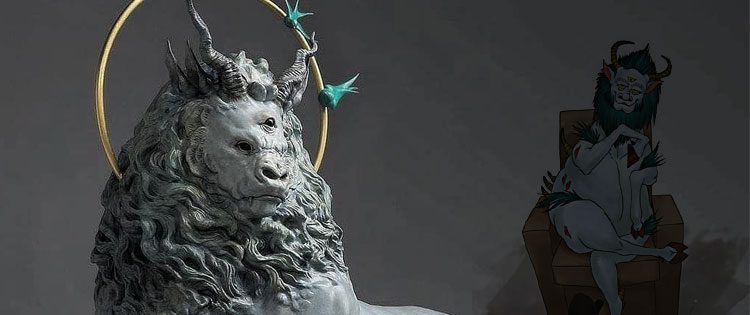
Gui Xian, also known as the “Ghost Immortal,” is a fascinating figure in Chinese mythology. He is often depicted as a spirit or deity who possesses unique powers and attributes. Gui Xian is closely associated with the concept of immortality and is revered in various cultural narratives throughout China. The stories surrounding him provide insight into the beliefs and values of ancient Chinese society. Through the tales of Gui Xian, we can explore themes of life, death, and the afterlife, as well as the human desire for eternal existence.
Origins of Gui Xian
The origins of Gui Xian can be traced back to ancient Chinese folklore. His name itself is derived from the words “Gui,” meaning ghost, and “Xian,” meaning immortal. This duality reflects his unique position as both a spirit and a being of eternal life. In many stories, Gui Xian is portrayed as a human who achieved immortality through various means, such as rigorous training, spiritual enlightenment, or divine intervention. His journey from mortality to immortality is a common theme in many mythological narratives.
 Gou Mang
One of the earliest mentions of Gui Xian can be found in texts dating back to the Han Dynasty. These texts describe his interactions with both mortals and other deities, showcasing his importance in the pantheon of Chinese mythology. Over the centuries, stories of Gui Xian have evolved, but the core elements of his character have remained consistent. He embodies the aspirations of humanity to transcend the limitations of life and death.
Characteristics and Attributes
Gui Xian is often depicted with distinct characteristics that highlight his status as an immortal being. He is usually portrayed as an elderly man with a long beard, symbolizing wisdom and experience. His attire often includes traditional Chinese robes, which further emphasize his connection to cultural heritage. In many illustrations, he is shown holding a peach, a fruit that is frequently associated with longevity and immortality in Chinese culture.
Another significant attribute of Gui Xian is his ability to traverse the realms of the living and the dead. This power allows him to act as a guide for souls who have recently departed from the mortal world. He is often called upon during rituals and ceremonies aimed at honoring ancestors or seeking guidance from the spirit world. The belief in his ability to mediate between life and death reflects the deep-seated respect for the ancestral spirits in Chinese culture.
 Gonggong
Gui Xian in Popular Culture
Gui Xian’s influence extends beyond ancient texts and oral traditions; he has also made his mark on modern popular culture. In contemporary literature, films, and art, Gui Xian is often referenced as a symbol of eternal life and the quest for enlightenment. His character serves as a reminder of the enduring nature of human desires and the quest for meaning beyond the physical realm.
In movies, Gui Xian is sometimes portrayed as a wise mentor who imparts knowledge to young heroes on their journeys. These adaptations often emphasize his role as a bridge between worlds, showcasing his ability to navigate the complexities of life and death. Additionally, his image has been used in various forms of art, from paintings to sculptures, where he is depicted in serene poses, reinforcing his status as a peaceful and benevolent figure.
 Gao Yao
Gui Xian and Taoism
Gui Xian is deeply intertwined with the principles of Taoism, a philosophical and religious tradition that emphasizes harmony with the Tao, or the fundamental nature of the universe. In Taoist beliefs, immortality is not merely a physical state but a spiritual condition achieved through alignment with the natural order. Gui Xian embodies these principles, as his journey towards immortality often involves a deep understanding of nature and the cosmos.
Many Taoist texts reference Gui Xian as an exemplar of the ideal Taoist sage. His teachings often revolve around the concepts of balance, simplicity, and the interconnectedness of all things. Followers of Taoism look to his stories for inspiration, as they seek to cultivate their own spiritual paths. The legends of Gui Xian serve as a guide for those aspiring to live in harmony with the world around them.
Rituals and Worship
The veneration of Gui Xian is an integral part of certain Chinese rituals and practices. Devotees often engage in ceremonies that honor him, seeking his blessings for health, longevity, and wisdom. These rituals can vary widely depending on regional customs and traditions, but they typically involve offerings of food, incense, and prayers. The act of honoring Gui Xian serves as a means of connecting with the spiritual realm and acknowledging the influence of ancestral spirits in daily life.
During festivals, particularly those related to the Ghost Festival, Gui Xian is often invoked to guide and protect the souls of the deceased. Families may set up altars adorned with his image, along with other deities, to pay respect to their ancestors. This practice reinforces the importance of filial piety in Chinese culture, as it emphasizes the ongoing relationship between the living and the dead.
Gui Xian and the Concept of Immortality
The theme of immortality is central to the stories of Gui Xian. In many narratives, he represents the ultimate goal of human existence: to transcend the physical limitations of life and achieve a state of eternal being. This quest for immortality is not only a personal journey but also a reflection of the broader human desire to leave a lasting legacy. The tales of Gui Xian often illustrate the sacrifices and challenges one must face in pursuit of this goal.
In addition to personal transformation, Gui Xian’s stories also highlight the importance of community and relationships in the pursuit of immortality. Many legends emphasize that true immortality is achieved not only through individual efforts but also through connections with others. This communal aspect reinforces the idea that human existence is inherently linked to the experiences and memories shared with family and friends.
Gui Xian in Literature
Gui Xian has been a source of inspiration for numerous literary works throughout Chinese history. His character appears in classical texts, poetry, and modern novels, each interpretation adding depth to his mythos. In literature, Gui Xian often serves as a metaphor for the human condition, exploring themes of mortality, legacy, and the search for meaning in life.
Many poets have drawn upon the imagery associated with Gui Xian to convey feelings of longing and reflection. His connection to nature, particularly the symbolism of the peach and the mountains, evokes a sense of tranquility and contemplation. These literary explorations not only celebrate Gui Xian’s character but also invite readers to ponder their own relationships with life and death.
Gui Xian and the Afterlife
Gui Xian’s role as a mediator between the living and the dead highlights the significance of the afterlife in Chinese belief systems. In many stories, he is depicted as guiding souls to their final resting places or assisting them in navigating the challenges of the afterlife. This function reinforces the idea that death is not an end but rather a continuation of the journey in a different form.
The concept of the afterlife in Chinese mythology is complex, with various realms and deities governing different aspects of existence beyond death. Gui Xian’s involvement in this intricate system reflects the interconnectedness of all beings, both mortal and immortal. His stories often serve to comfort the living, reassuring them that their loved ones are cared for and guided by benevolent spirits.
Gui Xian in Art and Iconography
Throughout history, Gui Xian has been a popular subject in Chinese art and iconography. Artists have depicted him in various forms, ranging from traditional paintings to sculptures. His representations often emphasize his wisdom and benevolence, showcasing his role as a protector of souls. The imagery associated with Gui Xian is rich in symbolism, often incorporating elements that signify longevity, peace, and harmony.
In many artistic renditions, Gui Xian is portrayed surrounded by natural elements, such as mountains, rivers, and trees. These depictions reinforce his connection to the natural world and highlight the importance of balance in life. Artists use vibrant colors and intricate details to capture the essence of Gui Xian, inviting viewers to reflect on the deeper meanings behind his character and the stories associated with him.
Gui Xian and Modern Spirituality
In contemporary society, Gui Xian continues to inspire individuals seeking spiritual growth and understanding. His teachings and stories resonate with those exploring the realms of spirituality and self-discovery. Many people turn to the myths of Gui Xian as a source of guidance, using his journey as a framework for their own paths toward enlightenment and personal fulfillment.
Modern interpretations of Gui Xian often emphasize the importance of mindfulness and living in harmony with oneself and the environment. His character serves as a reminder of the interconnectedness of all beings and the need to cultivate compassion and understanding in daily life. As more individuals embrace these principles, the legacy of Gui Xian continues to thrive, bridging the gap between ancient wisdom and contemporary spiritual practices.
The Legacy of Gui Xian
The legacy of Gui Xian is deeply embedded in the cultural fabric of China. His stories have been passed down through generations, shaping the beliefs and values of countless individuals. The themes of immortality, connection, and the afterlife resonate with people from all walks of life, making Gui Xian a timeless figure in Chinese mythology.
As society continues to evolve, the relevance of Gui Xian remains strong. His character serves as a reminder of the enduring human quest for meaning and understanding in a complex world. The tales of Gui Xian inspire individuals to reflect on their own lives, encouraging them to seek wisdom, cultivate relationships, and embrace the mysteries of existence.