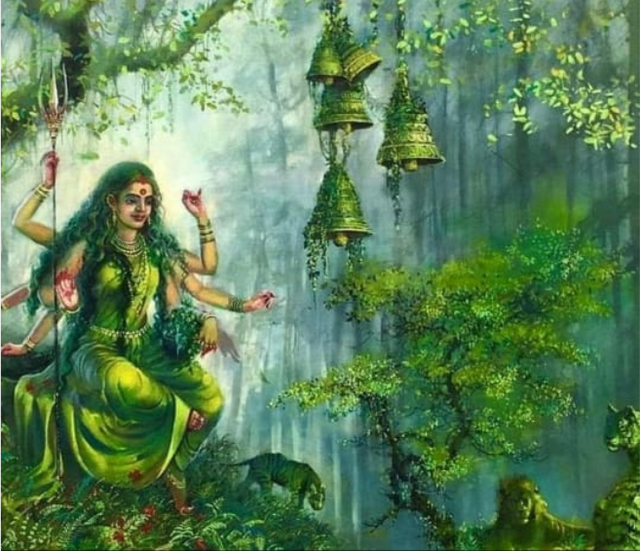
In the rich tapestry of Hindu mythology, the figure of Aranyani emerges as a symbol of nature, wilderness, and the divine feminine. She is often associated with the forests and is considered the goddess of the wilderness. Her essence embodies the beauty and mystery of nature, and she plays a crucial role in various myths and legends. Aranyani is not just a deity; she represents the interconnectedness of life, the importance of preserving nature, and the sacredness of the earth. In this article, we will explore the various aspects of Aranyani, her significance in Hinduism, and her representation in ancient texts.
The Origins of Aranyani
The origins of Aranyani can be traced back to ancient Hindu texts, particularly the Rigveda. In these scriptures, she is depicted as a benevolent goddess who resides in the forests and is associated with the wild and untamed aspects of nature. Aranyani is often referred to as the protector of the forest and its inhabitants. Her name itself is derived from the Sanskrit word “Aranya,” which means forest or wilderness. This connection highlights her role as a guardian of the natural world, emphasizing the importance of preserving forests and respecting the life they harbor.
 Apsaras
In addition to her connection to nature, Aranyani is also seen as a nurturing figure. She is often portrayed as a motherly goddess who provides for all living beings within her domain. The forests, under her protection, are abundant with resources that sustain life. This nurturing aspect of Aranyani is essential in understanding her role in Hindu mythology. She is not merely a goddess of the wilderness; she embodies the very essence of life, growth, and sustenance.
Symbolism of Aranyani
Aranyani’s symbolism is deeply intertwined with the natural world. She represents the balance of nature, showcasing the harmony that exists between different elements of the ecosystem. Her presence in the forests signifies the importance of maintaining this balance, reminding humanity of its responsibility to protect the environment. Aranyani’s symbolism extends beyond the physical realm; she is also a representation of spiritual growth and enlightenment. Just as forests are places of solitude and reflection, Aranyani encourages individuals to seek inner peace and connection with the divine.
 Anuradha
Moreover, Aranyani is often depicted with various animals, highlighting her role as a protector of wildlife. Animals in her presence symbolize the diversity of life and the interconnectedness of all beings. This aspect of her symbolism serves as a reminder that every creature, no matter how small, plays a vital role in the ecosystem. The forests, as depicted in stories of Aranyani, are not merely a backdrop; they are alive with energy and spirit, reflecting the intricate web of life that she nurtures.
Legends and Myths Surrounding Aranyani
Numerous legends and myths feature Aranyani, showcasing her significance in Hindu culture. One popular story involves Aranyani’s relationship with the God of Creation, Brahma. According to the myth, Brahma was so captivated by the beauty of the forests that he sought to create a goddess who could embody their essence. Thus, Aranyani was born, and she became the guardian of the wilderness. This myth emphasizes her divine origin and her intrinsic connection to the natural world.
Another fascinating legend tells of Aranyani’s interactions with sages and hermits who sought refuge in the forests. These sages, often portrayed as seekers of truth and knowledge, found solace in the wilderness. Aranyani, in her nurturing role, would provide them with guidance and wisdom. She became a source of inspiration for their spiritual practices, symbolizing the idea that nature is a teacher. This legend illustrates the importance of the forest as a place of learning and spiritual growth, reinforcing Aranyani’s role as a facilitator of enlightenment.
 Anumati
Aranyani in Art and Literature
Aranyani has inspired various forms of art and literature throughout history. Artists have depicted her in paintings and sculptures, often portraying her as a graceful figure surrounded by lush greenery and wildlife. These artistic representations capture her essence as a goddess of nature, celebrating the beauty of the forests she protects. In literature, poets and writers have drawn upon her imagery to convey themes of love, nature, and spirituality. Aranyani’s influence can be seen in classical texts as well as contemporary works, showcasing her timeless appeal.
One notable example of Aranyani’s representation in literature is in the poetry of the Bhakti movement. Poets of this movement often celebrated the divine feminine, and Aranyani was among the goddesses they revered. Her connection to nature made her a powerful symbol for those seeking to express their love for the divine through the beauty of the natural world. These literary works highlight the relationship between humanity and nature, emphasizing the need for harmony and respect.
The Importance of Nature in Hindu Philosophy
In Hindu philosophy, nature holds a sacred place, and Aranyani embodies this belief. The forests and wilderness are seen as manifestations of the divine, and Aranyani serves as a reminder of the importance of respecting and protecting these natural spaces. Hindu teachings often emphasize the interconnectedness of all living beings, and Aranyani’s role as the goddess of the wilderness reinforces this idea. She teaches that harming nature ultimately harms humanity, promoting a philosophy of sustainability and stewardship.
Moreover, the reverence for nature in Hinduism extends to various rituals and practices. Many Hindus participate in ceremonies that honor the earth and its resources. These practices often invoke the blessings of deities like Aranyani, seeking her guidance in maintaining the balance of nature. The teachings surrounding Aranyani inspire individuals to cultivate a sense of responsibility towards the environment, encouraging a lifestyle that aligns with ecological principles.
Modern Interpretations of Aranyani
In contemporary society, the figure of Aranyani continues to resonate, especially in the context of environmental awareness. As global concerns about climate change and deforestation grow, Aranyani’s role as the goddess of the wilderness serves as a powerful reminder of the need for conservation. Many environmental movements draw inspiration from her teachings, advocating for the protection of forests and wildlife. This modern interpretation of Aranyani emphasizes her relevance in today’s world, highlighting the enduring importance of her message.
Furthermore, Aranyani’s symbolism has found its way into various forms of activism. Environmentalists often invoke her name and image in campaigns aimed at raising awareness about the importance of preserving natural habitats. Her presence serves as a unifying symbol for those who strive to protect the earth, fostering a sense of community among individuals dedicated to environmental conservation. This modern engagement with Aranyani reflects a growing recognition of the interconnectedness of spirituality and ecological responsibility.
Conclusion: The Legacy of Aranyani
The legacy of Aranyani is one of beauty, harmony, and reverence for nature. As a goddess of the wilderness, she embodies the principles of balance and interconnectedness that are central to Hindu philosophy. Her stories and teachings remind us of the sacredness of the earth and the importance of preserving its resources. In a world increasingly challenged by environmental issues, Aranyani’s message is more relevant than ever. She encourages us to foster a deeper connection with nature, urging humanity to recognize its role as caretakers of the earth.
As we reflect on the significance of Aranyani, it becomes clear that her presence transcends time and culture. Her influence can be seen in art, literature, and contemporary environmental movements, showcasing her enduring appeal. Aranyani is not just a goddess of the wilderness; she is a symbol of hope, reminding us that through respect and care for nature, we can create a more harmonious world for future generations.