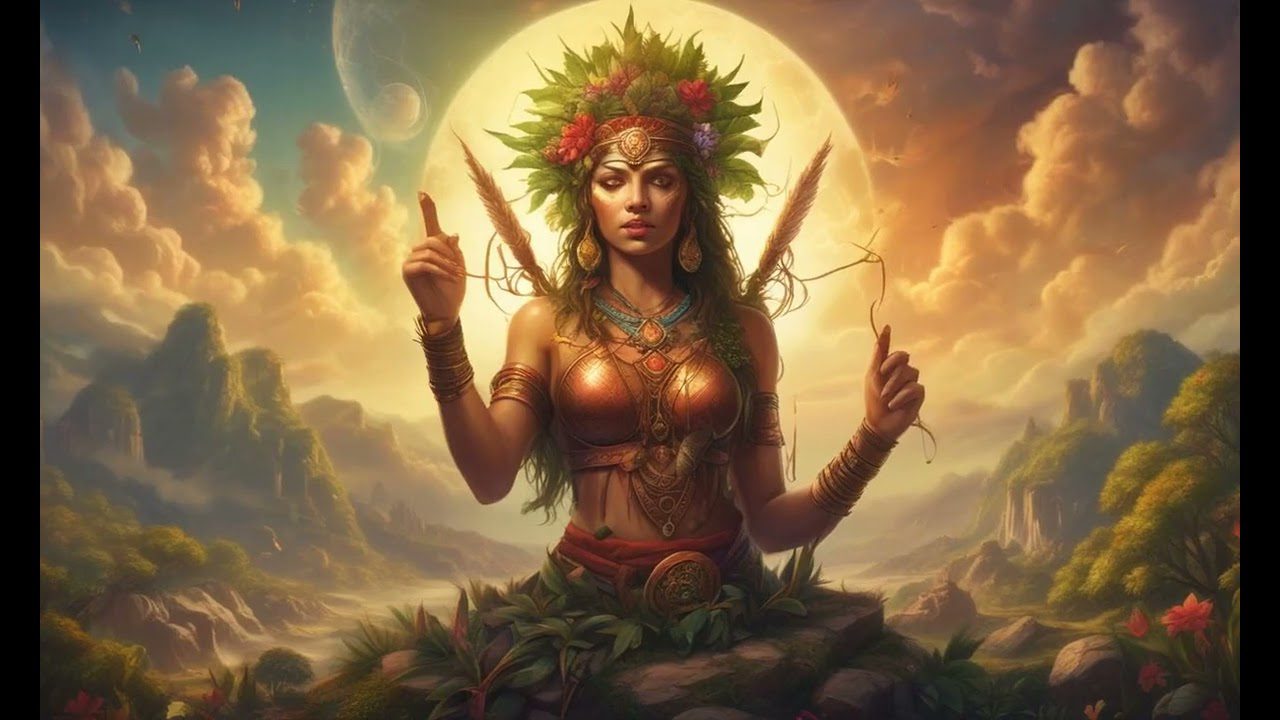
Geshtinanna is a significant figure in Mesopotamian mythology, particularly within the context of Sumerian beliefs. She is often depicted as the goddess of agricultural fertility and the harvest. Her role in the mythology not only emphasizes the importance of agriculture in ancient Mesopotamian society but also highlights the deep connection between the people and their land. As a goddess associated with the earth and its bounties, Geshtinanna represents the nurturing aspects of nature, which were crucial for the survival of the Sumerians.
Origins and Family
Geshtinanna is often considered the sister of the god Dumuzi, who is another key figure in Sumerian mythology. Dumuzi is known as the god of shepherds and fertility, and his connection to the earth and agriculture makes him an important counterpart to Geshtinanna. The relationship between these two deities reflects the balance of life and death, as well as the cyclical nature of the seasons. While Dumuzi is associated with the vitality of spring and summer, Geshtinanna represents the bounty of the harvest and the nurturing aspects of the earth.
 Etana
EtanaIn some myths, Geshtinanna is also linked to the goddess Inanna, who is often associated with love, beauty, and war. This connection further emphasizes the complexity of Mesopotamian mythology, where gods and goddesses often have intertwined relationships. Inanna’s journey to the underworld and her eventual return is paralleled by the seasonal cycles of nature, where Geshtinanna’s role becomes vital during the harvest period.
The Role of Geshtinanna in Agriculture
Geshtinanna’s primary role as the goddess of agriculture highlights her importance in Sumerian society. Agriculture was the backbone of Mesopotamian civilization, and the success of crops was essential for the survival and prosperity of the people. Geshtinanna was believed to bless the fields and ensure a bountiful harvest. Farmers would often invoke her name in prayers and rituals, seeking her favor to protect their crops from pests and harsh weather conditions.
During the planting and harvesting seasons, festivals dedicated to Geshtinanna were held, where communities came together to celebrate the earth’s gifts. These celebrations included rituals, music, and dances that honored the goddess and expressed gratitude for her blessings. The communal aspect of these festivals reinforced the social bonds within the community and emphasized the shared reliance on the land for sustenance.
 Erra
ErraMyths and Stories
Several myths feature Geshtinanna, illustrating her significance in Sumerian mythology. One prominent story involves her brother Dumuzi, who is often depicted as a young man embodying the vitality of spring. According to the myth, Dumuzi’s death and resurrection symbolize the changing seasons, with Geshtinanna mourning for her brother during the winter months when the earth lies dormant. This cycle of life and death is central to the agricultural calendar, as it reflects the rhythm of planting and harvesting.
In another myth, Geshtinanna is portrayed as a compassionate goddess who assists farmers in times of need. When drought or pestilence threatens the crops, she is said to intervene, ensuring that the people receive the nourishment they require. These stories not only reflect the agricultural practices of the time but also serve as a reminder of the divine forces believed to influence the natural world.
Symbols and Iconography
Geshtinanna is often represented with symbols associated with fertility and agriculture. One of the most common symbols is the ear of grain, which signifies abundance and the life-giving properties of the earth. In various artifacts and artworks from ancient Mesopotamia, she may be depicted holding sheaves of grain or surrounded by lush vegetation, emphasizing her connection to the harvest.
 Irra
IrraAnother important symbol associated with Geshtinanna is the plow, which represents the agricultural practices that were essential for sustaining life in Mesopotamia. The plow signifies the hard work and dedication of farmers who toiled the land to provide for their families and communities. Through her representation in art and symbolism, Geshtinanna embodies the vital relationship between humanity and the earth.
Festivals and Rituals
The festivals dedicated to Geshtinanna were vibrant events that brought communities together to celebrate the agricultural cycle. These festivals often coincided with the harvest season, where people would come together to give thanks for the abundance of the earth. Rituals included offerings of food and drink, which were believed to please the goddess and secure her blessings for future harvests.
- Music and Dance: Festivities included traditional music and dance, creating an atmosphere of joy and gratitude.
- Offerings: Farmers would bring their first fruits and grains to the temple as offerings to Geshtinanna.
- Community Feasts: These events served as an opportunity for communities to bond over shared meals and celebrate their collective reliance on agriculture.
During these festivals, priests and priestesses played a crucial role in conducting rituals to honor Geshtinanna. They would recite prayers and perform ceremonies that invoked her presence and sought her favor for the coming year. The participation of the community in these events fostered a sense of unity and shared purpose, reinforcing the importance of agriculture in their daily lives.
Geshtinanna’s Influence on Modern Culture
While Geshtinanna may not be as widely known today as other deities from ancient mythology, her influence can still be seen in modern agricultural practices and celebrations. Many cultures around the world continue to honor the earth and its cycles through festivals and rituals that celebrate the harvest. These events often reflect the same themes of gratitude and community that were central to the festivals dedicated to Geshtinanna.
The concept of fertility and the nurturing aspects of the earth remain significant in contemporary agricultural practices. Farmers and communities often engage in rituals to bless their crops and seek favorable conditions for growth. This connection to the past serves as a reminder of the enduring relationship between humanity and the land.
Comparative Analysis with Other Deities
Geshtinanna’s role in Mesopotamian mythology can be compared to that of other fertility deities in different cultures. For instance, in Greek mythology, the goddess Demeter shares similarities with Geshtinanna as she is also associated with agriculture and the harvest. Both goddesses are depicted as nurturing figures who provide sustenance to their people and are celebrated through seasonal festivals.
Similarly, in Egyptian mythology, the goddess Isis embodies aspects of fertility and motherhood, paralleling Geshtinanna’s nurturing qualities. These comparative analyses highlight the universal themes present in agricultural deities across cultures, emphasizing the importance of fertility and the earth in sustaining life.
Legacy and Historical Significance
Geshtinanna’s legacy is evident in the rich tapestry of Mesopotamian mythology and its lasting impact on subsequent cultures. The stories and rituals surrounding her figure reflect the deep respect that ancient societies held for the earth and its resources. As agriculture was the foundation of Mesopotamian civilization, the reverence for a goddess like Geshtinanna underscores the importance of nurturing the land.
Furthermore, the archaeological discoveries of ancient Sumerian artifacts and texts provide valuable insights into the worship of Geshtinanna and the agricultural practices of the time. These findings contribute to our understanding of how mythology and daily life were intertwined in ancient Mesopotamian society, offering a glimpse into the values and beliefs that shaped their world.
Conclusion: The Enduring Relevance of Geshtinanna
Geshtinanna’s role in Mesopotamian mythology serves as a reminder of the enduring connection between humanity and the earth. Her significance as a goddess of agriculture and fertility highlights the importance of nurturing the land for sustenance and survival. As societies continue to evolve, the themes represented by Geshtinanna remain relevant, reminding us of the vital role that nature plays in our lives.