In the rich tapestry of Norse mythology, one figure that stands out is Geirrod. He is often depicted as a giant or a jötunn, a being associated with chaos and the untamed forces of nature. Geirrod’s story is intertwined with various deities and heroes, showcasing the complex relationships that define Norse myth. His narratives often serve as cautionary tales, highlighting themes of greed, betrayal, and the consequences of one’s actions. Understanding Geirrod and his role in mythology offers valuable insights into the values and beliefs of the ancient Norse people.
Geirrod’s Origins
Geirrod’s origins can be traced back to the vast and often treacherous world of the jötunn. The giants in Norse mythology are not merely antagonists; they represent the primal forces of the universe. Geirrod, like many giants, embodies the chaotic aspects of nature. His lineage is often connected to the primordial beings that existed before the gods, suggesting a deep-rooted connection to the earth and its elemental powers. This connection is crucial in understanding his character and the role he plays in the larger mythological framework.
 Geirönul
As a jötunn, Geirrod is often in conflict with the gods, particularly with the Aesir, the principal group of deities in Norse mythology. His actions and motivations are frequently driven by a desire to challenge the order that the gods represent. This struggle between chaos and order is a recurring theme in many Norse myths. Geirrod’s character is a reflection of the ancient Norse understanding of the world, where the forces of nature were seen as powerful and sometimes hostile.
Geirrod and the Aesir
The relationship between Geirrod and the Aesir is marked by tension and conflict. One of the most notable stories involving Geirrod is his encounter with Thor, the god of thunder. In this tale, Geirrod seeks to challenge Thor, believing that he can outsmart the god and assert his dominance. This story is significant as it illustrates the giant’s cunning nature and his desire to undermine the gods. Geirrod’s actions can be seen as a metaphor for the struggles that individuals face when confronting authority and power.
 Gefion
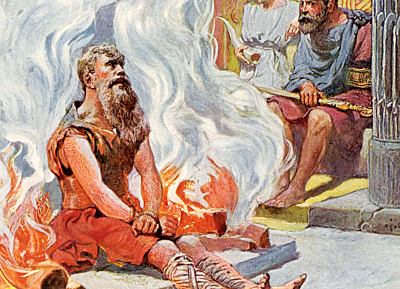
In many versions of the myth, Geirrod captures Thor and his companion, Loki. He attempts to humiliate them and prove his superiority. However, the tale takes a turn when Thor, known for his immense strength and bravery, ultimately defeats Geirrod. This victory reinforces the idea that while chaos may challenge order, it cannot ultimately prevail. The story serves as a reminder of the importance of strength, wisdom, and courage in the face of adversity.
Key Themes in Geirrod’s Story
- Chaos vs. Order: The struggle between the giants and the gods symbolizes the constant battle between chaotic forces and the established order.
- Greed and Betrayal: Geirrod’s actions often stem from his desire for power, showcasing the destructive nature of greed.
- Cunning vs. Strength: The contrast between Geirrod’s cleverness and Thor’s brute strength highlights different approaches to overcoming challenges.
Each of these themes resonates deeply within Norse culture, reflecting the values and beliefs of a society that revered both strength and wisdom. The stories of Geirrod and his interactions with the gods serve as a narrative vehicle to explore these fundamental concepts.
The Role of Loki
Loki, the trickster god, plays a crucial role in the story of Geirrod. His presence adds layers of complexity to the narrative, as Loki often embodies the qualities of chaos and unpredictability that Geirrod represents. In the myth, Loki is not just a sidekick to Thor; he is a character with his own motivations and desires. His interactions with Geirrod further emphasize the unpredictable nature of both characters. Loki’s cunning often leads to unforeseen consequences, showcasing how trickery can backfire.
 Garm
GarmIn the tale of Geirrod, Loki initially finds himself in a precarious situation, caught between the might of Thor and the cunning of Geirrod. His ability to navigate these challenges reflects the duality of his character—both a friend and a foe to the gods. The dynamic between Loki and Geirrod underscores the complexity of alliances in Norse mythology. It illustrates how characters can shift from being allies to adversaries, depending on the circumstances.
Geirrod’s Legacy
The legacy of Geirrod extends beyond his immediate stories. He represents the jötunn archetype, a figure that embodies the challenges of confronting one’s fears and the chaotic aspects of life. His tales serve as a reminder of the ancient Norse understanding of the world, where the forces of nature could be both nurturing and destructive. Geirrod’s narrative is a reflection of the belief that one must respect these forces, as they can easily turn against those who seek to control them.
Moreover, Geirrod’s story is often used to illustrate moral lessons. The consequences of his actions—greed, betrayal, and the ultimate defeat—serve as cautionary tales for those who would challenge the established order. In this sense, Geirrod’s legacy is not just about his character but also about the values that the ancient Norse sought to impart through their myths.
Geirrod in Modern Culture
In recent years, the figure of Geirrod has found a place in modern adaptations of Norse mythology. He appears in various forms of media, including literature, films, and video games. These modern interpretations often draw on the traditional narratives while adding contemporary twists. Geirrod’s character can be seen as a symbol of the eternal struggle between chaos and order, making him relevant even in today’s world.
For example, in popular films that explore Norse mythology, Geirrod’s character may be portrayed as a formidable antagonist. His cunning nature and desire for power resonate with audiences who appreciate complex villains. This portrayal not only entertains but also invites viewers to reflect on the themes of ambition, greed, and the consequences of one’s actions. The legacy of Geirrod continues to evolve, demonstrating the timeless nature of these ancient stories.
As we explore the figure of Geirrod in Norse mythology, it becomes clear that he is more than just a giant. His character embodies the complexities of human nature, reflecting the struggles between chaos and order, strength and cunning. Through his stories, we gain insight into the values and beliefs of the ancient Norse, as well as the timeless themes that continue to resonate today. Geirrod’s legacy serves as a reminder of the importance of understanding the forces that shape our world, both seen and unseen.