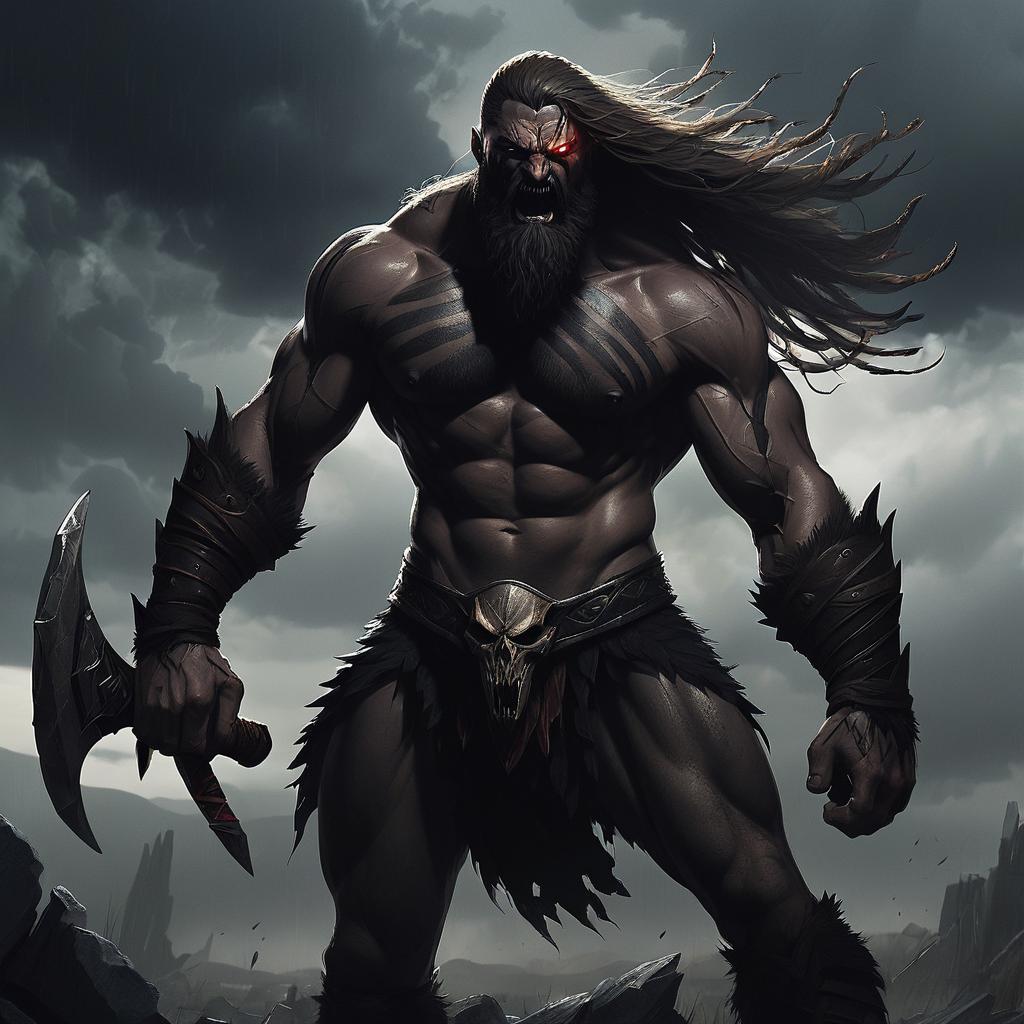
In Irish mythology, Balor is a significant figure known for his destructive power and tragic fate. He is often described as a giant with a deadly eye that could bring devastation to anyone who looked into it. Balor is part of the Tuatha Dé Danann, a supernatural race in Irish lore. His character is complex, representing themes of power, betrayal, and the cyclical nature of life and death. His story intertwines with many other mythological figures, making him a central character in several tales.
The Origins of Balor
Balor is said to be the leader of the Fomorians, a group of supernatural beings often depicted as enemies of the Tuatha Dé Danann. The Fomorians represent chaos and darkness, while the Tuatha Dé Danann symbolize order and light. This duality is a recurring theme in Irish mythology, and Balor embodies the destructive aspects of the Fomorians. His origins are steeped in legends that highlight his power and the fear he instilled in others.
 Badb
BadbAccording to various myths, Balor was born to a family that prophesied his destruction. His grandfather had a vision that his grandson would be killed by his own offspring. In a desperate attempt to prevent this prophecy from coming true, Balor’s father imprisoned him in a tower, away from the world. However, this act of protection ultimately led to his downfall, as Balor’s own daughter would later become the instrument of his demise. This narrative showcases the inevitability of fate and the tragic irony that often permeates mythological stories.
The Eye of Balor
One of the most defining features of Balor is his deadly eye. This eye was said to have the power to kill anyone who looked into it, making Balor a formidable opponent in battle. The eye is often described as being covered until he chose to unleash its power. When opened, it could wreak havoc, causing destruction and chaos in its path. This ability symbolizes the dangers of unchecked power and the consequences of using it irresponsibly.
The eye of Balor is not just a physical attribute; it also serves as a metaphor for the destructive potential within all beings. Balor’s struggle to control his power reflects the broader human experience of grappling with one’s inner demons. The imagery associated with Balor’s eye serves as a warning about the perils of letting one’s darker impulses take over, leading to devastating consequences.
 Art Mac Cuinn
Balor and the Tuatha Dé Danann
The conflict between Balor and the Tuatha Dé Danann is central to many myths. The Tuatha Dé Danann, known for their wisdom and magical abilities, often found themselves at odds with Balor and the Fomorians. This conflict is representative of the struggle between light and darkness, order and chaos. Balor’s desire for power and dominance put him in direct opposition to the Tuatha Dé Danann, leading to epic battles that shaped the landscape of Irish mythology.
One of the most notable confrontations occurred during the Second Battle of Mag Tuired, where the Tuatha Dé Danann sought to overthrow the Fomorians. In this battle, Balor played a crucial role, using his deadly eye to devastating effect. However, the Tuatha Dé Danann, led by the hero Lugh, were ultimately able to defeat Balor. Lugh’s cleverness and bravery shone through as he managed to outsmart Balor, using his own eye against him. This battle not only highlights the heroism of the Tuatha Dé Danann but also marks the beginning of the end for Balor and his reign of terror.
 Nuada
NuadaThe Death of Balor
Balor’s death is a significant moment in Irish mythology, symbolizing the triumph of good over evil. As the Second Battle of Mag Tuired raged on, Lugh confronted Balor. In a dramatic twist, Lugh hurled a stone that struck Balor in his deadly eye, causing it to explode. This act not only killed Balor but also fulfilled the prophecy that he would be defeated by his own kin. The imagery of Balor’s eye being destroyed represents the collapse of tyranny and the restoration of balance in the world.
The death of Balor is often seen as a metaphor for the destruction of harmful forces in society. It serves as a reminder that even the most powerful beings can fall, and that the cycle of life and death is inevitable. Balor’s tragic end underscores the idea that no matter how great one’s power, it can be undone by the very forces one seeks to control. This theme resonates throughout Irish mythology, where the struggle between opposing forces is a constant narrative.
Balor’s Legacy
Even after his death, Balor’s legacy continues to influence Irish mythology and culture. His story serves as a cautionary tale about the dangers of unchecked power and the consequences of betrayal. Balor’s character embodies the complexity of human nature, showcasing both the potential for greatness and the capacity for destruction. His interactions with other mythological figures, such as Lugh and the Tuatha Dé Danann, highlight the interconnectedness of their stories and the broader themes of conflict and resolution.
In contemporary culture, Balor’s story has inspired various artistic interpretations, including literature, theater, and visual arts. His character is often revisited in modern retellings of Irish myths, reflecting the enduring relevance of these ancient stories. The themes of power, fate, and the cyclical nature of life resonate with audiences today, making Balor a timeless figure in the realm of mythology.
Balor in Modern Culture
Balor’s impact is not limited to ancient myths; he has also made his way into modern storytelling and popular culture. Various adaptations of Irish mythology in literature and film often feature Balor as a central character. His fearsome reputation and tragic fate make him a compelling figure for writers and creators. By exploring Balor’s character, modern narratives delve into the complexities of morality and the consequences of one’s actions.
Moreover, Balor’s story has been interpreted in different ways across various art forms. In literature, authors often emphasize his tragic elements, highlighting the themes of fate and betrayal. In visual arts, Balor is depicted as a towering figure, embodying both power and menace. These interpretations contribute to a richer understanding of Balor’s character and the enduring themes present in his story.
Conclusion: The Enduring Nature of Balor’s Myth
The story of Balor remains a vital part of Irish mythology, reflecting the timeless struggle between good and evil. His character serves as a reminder of the consequences of unchecked power and the inevitability of fate. As new generations encounter these ancient tales, the legacy of Balor continues to resonate, ensuring that his story remains relevant in contemporary discussions of morality and human nature. The rich tapestry of Irish mythology, woven with characters like Balor, will continue to inspire and provoke thought for years to come.