
Estanatlehi is a significant figure in Navajo mythology, representing the essence of life and the balance between nature and humanity. She is often depicted as a goddess of fertility and the earth, embodying the nurturing aspects of the natural world. The Navajo people, known for their deep connection to the land and its resources, hold Estanatlehi in high regard, as she symbolizes the cycles of life and the importance of harmony within the ecosystem. Her stories and attributes provide insight into the values and beliefs of the Navajo culture, emphasizing the interconnectedness of all living beings.
The Origin of Estanatlehi
The origins of Estanatlehi are steeped in the rich tapestry of Navajo lore. According to the stories, she emerged from the earth itself, a manifestation of the natural world that surrounds the Navajo people. Her birth is often described in relation to the changing seasons, highlighting her connection to the cycles of nature. She is sometimes seen as the daughter of the Earth and the Sky, representing the balance between these two essential elements of life. This duality is crucial in Navajo beliefs, as it illustrates the importance of harmony between different forces in the universe.
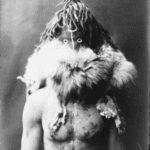 Black God
Estanatlehi is also associated with the four sacred plants of the Navajo: corn, beans, squash, and tobacco. These plants not only provide sustenance but also play a significant role in ceremonial practices. The stories often tell of how Estanatlehi taught the Navajo people to cultivate these plants, thereby ensuring their survival and prosperity. Her teachings are a testament to the importance of agriculture and the deep respect the Navajo have for the earth and its resources. Through her, they learned to live in harmony with nature, fostering a sustainable way of life.
Attributes and Symbolism
Estanatlehi embodies several key attributes that are essential to the Navajo way of life. She is often depicted as a nurturing figure, representing fertility and growth. Her association with the earth makes her a symbol of abundance and the cycles of life. The changing seasons are seen as a reflection of her presence, with spring representing rebirth, summer symbolizing growth, autumn denoting harvest, and winter embodying rest and renewal. This cyclical understanding of life is fundamental to the Navajo worldview, emphasizing the importance of balance and respect for nature.
 Binaye Ahani
In many stories, Estanatlehi is portrayed as a healer, possessing the knowledge of medicinal plants and their uses. This aspect of her character highlights the deep connection between the Navajo people and their environment. They believe that the earth provides everything needed for survival, including healing properties found in various plants. Estanatlehi’s role as a healer reinforces the idea that humans must live in harmony with the natural world to thrive physically and spiritually. This connection between health and the environment is a recurring theme in Navajo mythology.
Estanatlehi’s Role in Navajo Ceremonies
Estanatlehi plays a pivotal role in various Navajo ceremonies that celebrate the changing seasons and the cycles of life. One of the most important ceremonies is the Blessingway, which is performed to ensure harmony and balance within the community. During this ceremony, prayers and offerings are made to Estanatlehi, seeking her blessings for fertility, health, and prosperity. The rituals often include the use of the four sacred plants, emphasizing the interconnectedness of the community with the earth.
- Blessingway Ceremony: A ritual for harmony and balance.
- Harvest Ceremony: Celebrating the bounty of the earth.
- Healing Ceremonies: Invoking Estanatlehi’s healing powers.
Another significant ceremony is the Harvest Ceremony, which takes place in the fall to give thanks for the crops and the sustenance provided by the earth. During this time, the Navajo people gather to share their harvest, reflect on the year, and honor Estanatlehi for her contributions to their lives. This ceremony serves not only as a celebration of abundance but also as a reminder of the importance of gratitude and respect for the earth.
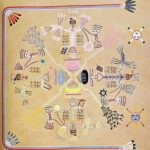 Bikeh Hozho
Estanatlehi and Navajo Culture
The influence of Estanatlehi extends beyond mythology and ceremonies; she is deeply embedded in the cultural practices of the Navajo people. Her teachings about agriculture and the importance of living in harmony with nature are reflected in their traditional practices. The Navajo have a profound respect for the land, which is evident in their sustainable farming methods and the way they interact with their environment. This respect is a direct manifestation of Estanatlehi’s teachings, showcasing how mythology informs daily life.
Moreover, Estanatlehi is often invoked in the creation of art and crafts. Many Navajo artists draw inspiration from her stories, creating works that reflect her beauty and the natural world she embodies. The use of natural materials in their crafts, such as pottery and weaving, further emphasizes the connection between art and the earth. This artistic expression serves as a way for the Navajo people to honor Estanatlehi and keep her legacy alive through generations.
The Importance of Estanatlehi in Modern Times
In contemporary Navajo society, Estanatlehi remains a vital symbol of resilience and sustainability. As the world faces environmental challenges, her teachings about living in harmony with nature resonate more than ever. The Navajo people continue to advocate for environmental stewardship, drawing upon the wisdom of their ancestors and figures like Estanatlehi. This connection to their cultural heritage empowers them to address modern issues while remaining grounded in their traditions.
Additionally, Estanatlehi’s influence can be seen in the growing interest in traditional ecological knowledge. Many communities are recognizing the value of indigenous wisdom in addressing climate change and promoting sustainability. The teachings of Estanatlehi serve as a reminder of the importance of respecting the earth and its resources. By integrating these principles into modern practices, the Navajo people and others can work towards a more sustainable future.
Estanatlehi is a powerful figure in Navajo mythology, representing the interconnectedness of life, the importance of harmony with nature, and the value of sustainability. Her teachings and stories provide insight into the cultural practices and beliefs of the Navajo people, emphasizing their deep respect for the earth and its resources. As the world continues to face environmental challenges, the lessons of Estanatlehi remain relevant, guiding future generations towards a more harmonious and sustainable way of life.