
The Navajo mythology is rich with various deities, spirits, and creation stories that reflect the culture and beliefs of the Navajo people. One of the most significant figures in this mythology is known as Black God, or Yei’bi’chai. Black God is often associated with the forces of nature, the universe, and the balance of life. He plays a crucial role in the spiritual beliefs of the Navajo, embodying concepts of creation, healing, and protection. In this article, we will explore the various aspects of Black God, his significance, and the stories that surround him.

Origins of Black God
The origins of Black God can be traced back to the Navajo creation stories. According to these stories, Black God emerged during the time of creation when the world was being formed. He is often depicted as a powerful figure who helped shape the land and establish the natural order. The Navajo believe that he is one of the First Man and First Woman, who were created by the Holy People, the deities responsible for the formation of the universe.
In the Navajo cosmology, Black God is closely associated with the West, representing the direction where the sun sets. This direction symbolizes the end of the day and the transition into night, which is a time of reflection and rest. The Navajo people view this transition as a vital part of the cycle of life. Black God, therefore, is a symbol of renewal and transformation, reminding the people of the importance of balance in their lives.
Symbolism of Black God
Black God holds a significant place in Navajo symbolism. He is often depicted as a figure dressed in black, representing the night and the mysteries that come with it. His color symbolizes the earth, the underworld, and the fertility of the land. The Navajo believe that the earth is alive and that Black God is a protector of its natural resources. He is associated with the growth of crops, the fertility of animals, and the overall health of the environment.
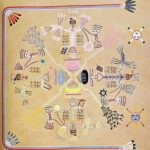 Bikeh Hozho
In addition to being a guardian of nature, Black God is also seen as a healer. He possesses the ability to cure ailments and restore balance to those who are suffering. The Navajo people often call upon Black God during ceremonies, seeking his assistance in healing rituals. His presence is believed to bring about a sense of peace and well-being, reinforcing the idea that health is connected to the harmony of nature.
Black God in Navajo Ceremonies
Black God plays an essential role in many Navajo ceremonies, particularly those related to healing and protection. One of the most significant ceremonies involving Black God is the Night Chant, which is performed to restore balance and harmony to individuals who are ill. This ceremony includes various songs, prayers, and rituals that invoke the presence of Black God, asking for his guidance and support.
During the Night Chant, the participants engage in a series of rituals that symbolize the journey from darkness to light. The ceremony often takes place over several nights, with each night dedicated to a specific aspect of healing. Black God is called upon to help cleanse the individual of negative energies and to restore their connection with the earth and the cosmos.
 Begocidi
Legends and Stories of Black God
Numerous legends and stories surround Black God, illustrating his significance in Navajo culture. One popular story tells of how Black God helped the Navajo people during a time of great drought. The land was parched, and the crops were failing. The Navajo prayed to Black God for rain, and he answered their prayers by summoning the clouds and bringing forth life-giving water.
This story emphasizes the belief that Black God is not only a creator but also a sustainer of life. His ability to bring rain symbolizes hope and renewal, teaching the Navajo people the importance of faith and connection to the natural world. These stories are passed down through generations, serving as a reminder of the relationship between the Navajo people and their environment.
Black God and the Balance of Life
One of the central themes in Navajo mythology is the concept of balance. Black God embodies this principle, representing the duality of existence. He is seen as a figure who brings together opposing forces, such as light and darkness, life and death, and creation and destruction. This balance is essential for the well-being of the universe and the people within it.
The Navajo believe that maintaining this balance is crucial for a harmonious life. They often seek the guidance of Black God to help them navigate the challenges they face. His teachings encourage the people to respect the earth, honor their ancestors, and live in harmony with all living beings. Through this understanding of balance, the Navajo people strive to create a life that is fulfilling and meaningful.
Modern Interpretations of Black God
In contemporary times, the significance of Black God continues to resonate with the Navajo people. Many individuals incorporate traditional beliefs into their daily lives, recognizing the importance of nature and the spiritual world. Black God serves as a reminder of the connection between the past and the present, bridging the gap between ancient traditions and modern existence.
Artists, storytellers, and musicians often draw inspiration from Black God, using his stories to create works that reflect the beauty and complexity of Navajo culture. These modern interpretations help to keep the mythology alive, allowing new generations to learn about their heritage and the teachings of Black God. Through these creative expressions, the essence of Black God remains relevant, inspiring individuals to honor their roots while navigating the challenges of contemporary life.
The Influence of Black God on Navajo Identity
Black God is more than just a figure in mythology; he is a vital part of Navajo identity. His stories and teachings shape the values and beliefs of the Navajo people, influencing how they view themselves and their place in the world. The connection to Black God fosters a sense of belonging and community among the Navajo, reinforcing their shared heritage.
Moreover, the teachings of Black God encourage a deep respect for nature and the environment. The Navajo people recognize the importance of living in harmony with the land, understanding that their well-being is intertwined with the health of the earth. This connection to nature is a fundamental aspect of Navajo identity, guiding their practices, rituals, and daily lives.
Black God stands as a powerful symbol within Navajo mythology, representing creation, healing, and the balance of life. His significance transcends time, continuing to influence the beliefs and practices of the Navajo people. Through the stories, ceremonies, and teachings associated with Black God, the Navajo maintain a profound connection to their culture and the natural world. This enduring legacy serves as a testament to the richness of Navajo mythology and the importance of preserving these traditions for future generations.