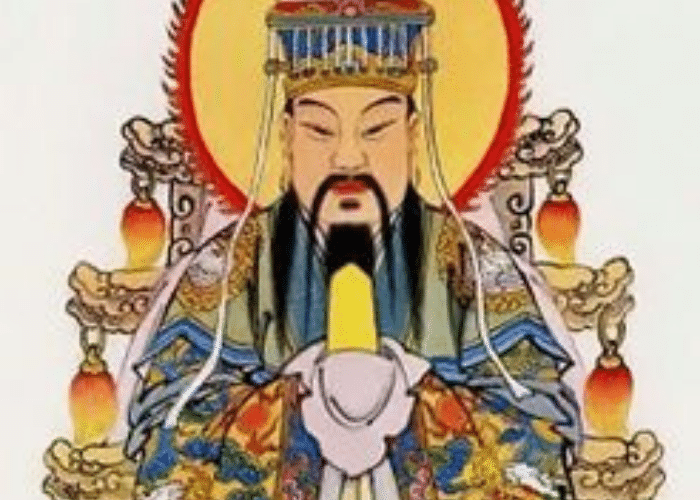
Di Jun is a prominent figure in Chinese mythology, often regarded as a powerful deity associated with the sun and the sky. He is a significant character in various ancient texts, where he is depicted as a celestial being with immense authority. His influence extends beyond mere solar representation; he embodies the essence of light, life, and vitality in the universe. Di Jun’s narratives are intertwined with themes of creation, governance, and the natural order, making him a crucial part of the Chinese pantheon.
The Origins of Di Jun
The origins of Di Jun can be traced back to ancient Chinese texts, where he is frequently mentioned alongside other deities. His name itself is often interpreted as “Emperor of the Sun,” highlighting his dominion over the celestial body that provides light and warmth to the Earth. In various mythological stories, Di Jun is portrayed as a ruler of the heavenly realm, overseeing both gods and mortals. His character often symbolizes the balance between chaos and order, embodying the harmony that exists within the universe.
 Lingbao Tianzun
Di Jun’s lineage is often linked to the Huangdi, or Yellow Emperor, one of the most revered figures in Chinese history. According to myth, Di Jun is sometimes depicted as a descendant of the Yellow Emperor, which further cements his status within the hierarchy of Chinese deities. This connection emphasizes the importance of lineage and heritage in Chinese culture, illustrating how divine ancestry plays a crucial role in the identity of a deity.
Di Jun in Chinese Cosmology
In the realm of Chinese cosmology, Di Jun plays a vital role in the understanding of the universe. He is often associated with the concept of yin and yang, representing the balance of opposing forces. The sun, under Di Jun’s guidance, is a symbol of yang, embodying brightness, masculinity, and activity. This duality is essential in Chinese thought, as it illustrates how harmony is achieved through the interplay of these forces.
Furthermore, Di Jun’s role in cosmology extends to the creation of the world. According to some myths, he was instrumental in shaping the heavens and the earth, providing the necessary light for life to flourish. This act of creation is not just a one-time event; it is an ongoing process that requires constant attention and balance, reflecting the dynamic nature of the universe. Di Jun’s presence ensures that the cycle of day and night continues, maintaining the rhythm of life.
 Daode Tianzun
Di Jun and the Sun
As the deity of the sun, Di Jun is often depicted in various forms, each representing different aspects of sunlight. In some stories, he is portrayed as a radiant figure riding a chariot across the sky, illuminating the world below. This imagery reinforces his role as a life-giver, as sunlight is essential for the growth of plants and the sustenance of life. The sun’s energy, represented by Di Jun, is a powerful force that drives the natural cycles of the Earth.
- Life-giving energy: Di Jun’s association with the sun symbolizes the vitality that sunlight brings to the planet.
- Cycle of day and night: His journey across the sky signifies the importance of time and its impact on the natural world.
- Symbol of power: Di Jun embodies the strength and authority of the sun, reflecting the idea of celestial dominance.
The sun’s role in agriculture is another important aspect of Di Jun’s mythology. In ancient China, agriculture was the backbone of society, and the sun’s warmth and light were crucial for crop growth. Farmers would often pray to Di Jun for favorable weather and abundant harvests. This agricultural significance highlights the connection between mythology and daily life, illustrating how deities like Di Jun directly influenced the livelihoods of the people.
Di Jun and Other Deities
Di Jun does not exist in isolation; he interacts with other deities in the Chinese pantheon, creating a complex web of relationships that enriches his mythology. One notable figure is Xi He, who is often considered Di Jun’s wife. In various legends, Xi He is depicted as the goddess of the sun, and together, they represent the duality of solar energy. Their union symbolizes the balance between light and heat, essential elements for life on Earth.
 Dao
DaoAdditionally, Di Jun is sometimes associated with the Ten Suns, a mythological story in which ten suns once rose simultaneously, causing devastation on Earth. To restore balance, Di Jun took action, allowing only one sun to shine at a time. This narrative highlights Di Jun’s role as a stabilizing force in the universe, showcasing his ability to govern and control the elements. It also reflects the ancient Chinese understanding of the importance of moderation and balance in all aspects of life.
Di Jun in Popular Culture
The influence of Di Jun extends beyond ancient texts and myths; he has found his way into modern popular culture as well. His character appears in various forms of art, literature, and entertainment, showcasing the enduring legacy of Chinese mythology. Many contemporary works draw inspiration from Di Jun’s stories, adapting them for new audiences while maintaining the core themes of his character.
In films and television shows, Di Jun is often portrayed as a heroic figure, battling forces of chaos and darkness. These adaptations emphasize his role as a protector of the natural order, making him a relatable character for modern viewers. Additionally, his imagery is frequently used in art and design, symbolizing light and hope. This cultural resonance illustrates how ancient myths can evolve and remain relevant in today’s society.
Festivals and Worship
Di Jun is honored in various festivals throughout China, where people celebrate the sun’s importance in their lives. One such festival is the Summer Solstice, a time when the sun is at its peak, and communities come together to pay homage to Di Jun. During these celebrations, traditional rituals are performed, including offerings of food and incense, to seek blessings for health, prosperity, and good fortune.
These festivals often feature colorful decorations, music, and dance, creating a vibrant atmosphere that reflects the joy of summer. Participants express gratitude for the sun’s warmth and light, acknowledging its role in sustaining life. This communal aspect of worship emphasizes the connection between mythology and community, as people come together to celebrate their shared beliefs and cultural heritage.
Di Jun in Literature
Di Jun has also made significant appearances in classical Chinese literature, where his stories are woven into larger narratives that explore the relationship between humans and the divine. Texts such as the Classic of Mountains and Seas often mention Di Jun in the context of creation myths and celestial governance. These writings not only serve as historical records but also reflect the philosophical and moral teachings of the time.
In poetry, Di Jun is frequently invoked as a symbol of inspiration and enlightenment. Poets use his imagery to convey feelings of hope and renewal, drawing parallels between the rising sun and the human experience. This literary connection underscores the timeless relevance of Di Jun’s character, illustrating how ancient myths can inspire creativity and introspection in contemporary society.
Modern Interpretations of Di Jun
In recent years, scholars and enthusiasts of mythology have begun to explore new interpretations of Di Jun, examining his significance in a modern context. Some interpretations focus on the environmental implications of his character, considering how the sun represents both life and destruction. This duality invites discussions about climate change and the importance of sustainable living, highlighting how ancient myths can inform contemporary issues.
Furthermore, Di Jun’s stories can be viewed through the lens of gender and power dynamics. The relationships between Di Jun and other deities, particularly female figures like Xi He, provide opportunities for discussions about gender roles in mythology. By analyzing these dynamics, scholars can gain insights into the cultural values and beliefs of ancient Chinese society, revealing how mythology reflects social structures and norms.
The Legacy of Di Jun
The legacy of Di Jun continues to thrive in various forms, from religious practices to artistic expressions. His representation as the sun god resonates with people, serving as a reminder of the natural world’s power and beauty. As societies evolve, the stories of Di Jun adapt, allowing him to remain relevant in the collective consciousness. His character embodies the timeless themes of creation, balance, and the interconnectedness of life.
In educational contexts, Di Jun’s myths are often taught as part of the broader study of Chinese mythology and culture. These teachings help preserve the stories and beliefs associated with Di Jun, ensuring that future generations understand the significance of these ancient narratives. Through literature, art, and festivals, Di Jun’s presence continues to be felt, illustrating the enduring power of mythology in shaping cultural identity.
Di Jun is a vital figure in Chinese mythology, representing the sun and its essential role in the universe. His stories reflect themes of creation, balance, and the natural order, emphasizing the interconnectedness of life. Through festivals, literature, and modern interpretations, Di Jun’s legacy endures, reminding us of the importance of light, warmth, and harmony in our lives.