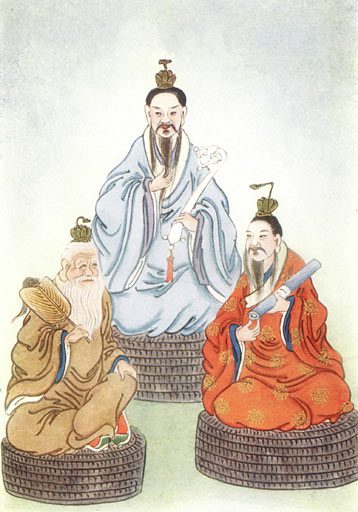
The figure of Daode Tianzun holds a significant place in Chinese mythology and Daoist philosophy. Known as the “Celestial Worthy of the Way and Its Virtue,” Daode Tianzun is one of the most revered deities in Daoism. His teachings emphasize the importance of living in harmony with the Dao, or the natural way of the universe. Understanding Daode Tianzun involves exploring his origins, teachings, and the impact he has had on Chinese culture and spirituality.
Origins of Daode Tianzun
The origins of Daode Tianzun can be traced back to ancient Chinese texts, particularly the Tao Te Ching, attributed to Laozi. In these texts, the principles of Daoism are laid out, focusing on the relationship between humanity and the cosmos. Daode Tianzun is often seen as an embodiment of these principles. According to legend, he was born from the primordial chaos, symbolizing the beginning of all things and the essence of the universe. His existence is closely tied to the concept of wu wei, or effortless action, which is a core tenet of Daoist philosophy.
 Dao
DaoIn Daoist cosmology, Daode Tianzun is often depicted as a figure of great wisdom and compassion. He represents the ideal of living in accordance with the Dao, which is believed to lead to a harmonious life. The portrayal of Daode Tianzun varies, but he is frequently shown with a serene expression, indicating his deep understanding of the natural order. His character embodies the qualities of humility, peace, and wisdom, making him a role model for those who seek to follow the Daoist path.
Teachings of Daode Tianzun
The teachings of Daode Tianzun are rooted in the principles of Daoism, which emphasize balance and harmony. One of his central teachings is the concept of yin and yang, representing the duality of nature. Yin is associated with passivity, darkness, and femininity, while yang embodies activity, light, and masculinity. Daode Tianzun teaches that these opposing forces are interconnected and interdependent, and that true harmony comes from embracing both aspects in life.
Another important aspect of Daode Tianzun’s teachings is the idea of simplicity. He advocates for a simple lifestyle, free from unnecessary desires and material possessions. By focusing on what is truly essential, individuals can cultivate a deeper connection with the Dao and the world around them. This teaching resonates with many people today, as it encourages mindfulness and a return to the basics of life.
 Da Yu
Da YuCore Principles of Daode Tianzun’s Teachings
- Harmony with Nature: Emphasizing the importance of living in sync with the natural world.
- Non-action (Wu Wei): Advocating for effortless action and allowing things to unfold naturally.
- Balance: Understanding the interdependence of yin and yang forces.
- Simplicity: Encouraging a minimalist lifestyle focused on essential values.
- Compassion: Promoting kindness and empathy towards all beings.
Daode Tianzun also highlights the significance of compassion and kindness in human interactions. He teaches that by being compassionate, individuals can create a ripple effect of positivity in the world. This aspect of his teachings aligns closely with the moral values found in many cultures, emphasizing the universal need for empathy and understanding among people.
Symbolism Associated with Daode Tianzun
Daode Tianzun is often associated with various symbols that represent his teachings and the principles of Daoism. One of the most common symbols is the taijitu, or yin-yang symbol, which illustrates the balance of opposites. This symbol is a visual representation of the harmony that Daode Tianzun advocates. It serves as a reminder that all aspects of life are interconnected and that balance is essential for peace and well-being.
 Guo Ziyi
Another important symbol related to Daode Tianzun is the peach of immortality. In Daoist mythology, this fruit grants eternal life and is associated with the quest for enlightenment. The peach represents the ultimate goal of Daoist practice: achieving harmony with the Dao and transcending the cycle of life and death. Daode Tianzun’s connection to the peach highlights his role as a guide for those seeking spiritual growth.
Common Symbols of Daode Tianzun
- Taijitu (Yin-Yang): Represents balance and harmony.
- Peach of Immortality: Symbolizes the quest for enlightenment and eternal life.
- Lotus Flower: Represents purity and spiritual awakening.
- Water: Symbolizes adaptability and the flow of life.
The lotus flower is another significant symbol in Daoism, often associated with Daode Tianzun. It represents purity, beauty, and spiritual awakening, as it rises from muddy waters to bloom in the sunlight. This transformation symbolizes the journey of self-cultivation and enlightenment that Daode Tianzun encourages. The lotus serves as a reminder that even in challenging circumstances, one can rise above and achieve a state of purity and clarity.
Daode Tianzun in Daoist Practice
In Daoist practice, Daode Tianzun is venerated through various rituals and ceremonies. His teachings are often recited in temples, where practitioners gather to meditate and reflect on the principles of the Dao. These gatherings serve as a communal space for individuals to connect with the teachings of Daode Tianzun and apply them to their daily lives. Rituals may include offerings of incense, fruits, and other symbolic items to honor his wisdom and guidance.
One of the key practices associated with Daode Tianzun is meditation. Daoist meditation techniques often focus on quieting the mind and aligning oneself with the Dao. Practitioners may visualize Daode Tianzun as a source of inspiration, seeking his guidance in their personal journeys. This practice encourages a deep sense of inner peace and connection to the universe, aligning with Daode Tianzun’s teachings on harmony and balance.
Rituals and Practices
- Temple Offerings: Presenting gifts to honor Daode Tianzun.
- Group Meditations: Practicing mindfulness and reflection together.
- Recitation of Texts: Reading Daoist scriptures to deepen understanding.
- Nature Walks: Connecting with the natural world as a form of worship.
Additionally, many Daoist practitioners engage in nature walks as a form of connecting with the teachings of Daode Tianzun. These walks allow individuals to immerse themselves in the beauty of the natural world, fostering a sense of gratitude and appreciation for the environment. By observing the cycles of nature, practitioners can gain insights into the principles of balance and harmony that Daode Tianzun embodies.
Influence of Daode Tianzun on Chinese Culture
The influence of Daode Tianzun extends beyond religious practices; it has permeated various aspects of Chinese culture. His teachings have inspired art, literature, and philosophy throughout history. Many Chinese poets and artists have drawn upon the themes of nature, simplicity, and harmony found in Daode Tianzun’s teachings. This influence can be seen in traditional Chinese paintings that depict serene landscapes and natural elements, reflecting the Daoist ideal of living in harmony with the world.
In literature, Daode Tianzun’s teachings have been echoed in works that explore the relationship between humanity and nature. The concepts of balance and the interconnectedness of all things are common themes in Chinese poetry and prose. These literary expressions serve as a reminder of the enduring relevance of Daode Tianzun’s philosophy, encouraging readers to reflect on their own lives and the world around them.
Impact on Art and Literature
- Traditional Paintings: Depicting landscapes and natural harmony.
- Poetry: Exploring themes of balance and nature.
- Philosophical Texts: Discussing the principles of Daoism.
- Calligraphy: Artistic expressions of Daoist concepts.
The art of calligraphy also reflects the influence of Daode Tianzun, as it is often used to express Daoist philosophies. Calligraphers create beautiful works that embody the principles of flow and grace, mirroring the teachings of Daode Tianzun. Each stroke is intentional, reflecting the idea of mindfulness and the importance of each moment, much like the Daoist practice of being present in the now.
Daode Tianzun in Modern Context
In the modern context, the teachings of Daode Tianzun continue to resonate with many individuals seeking spiritual guidance. As people navigate the complexities of contemporary life, the principles of simplicity, balance, and compassion offer valuable insights. Many find solace in Daode Tianzun’s teachings as they strive for a more harmonious existence amidst the chaos of modern society.
Moreover, the global interest in mindfulness and well-being has led to a resurgence of interest in Daoist practices. Workshops, retreats, and classes focused on Daoist philosophy often incorporate the teachings of Daode Tianzun, allowing individuals to explore these ancient principles in a modern setting. This integration of Daoism into contemporary life highlights the timeless relevance of Daode Tianzun’s wisdom.
Modern Practices Inspired by Daode Tianzun
- Mindfulness Workshops: Teaching the principles of presence and awareness.
- Yoga and Tai Chi: Incorporating Daoist philosophies into physical practices.
- Holistic Healing: Using Daoist concepts for wellness and health.
- Community Gatherings: Sharing insights and practices based on Daode Tianzun’s teachings.
Practices such as yoga and tai chi have also embraced Daoist philosophies, incorporating the ideas of balance and flow into their movements. These practices not only promote physical health but also encourage mental and spiritual well-being, aligning with Daode Tianzun’s teachings. As people seek holistic approaches to health, the influence of Daoism continues to grow.
Conclusion: The Legacy of Daode Tianzun
The legacy of Daode Tianzun remains a powerful force in both spiritual and cultural realms. His teachings continue to inspire individuals on their journeys toward harmony and understanding. As people seek meaning in their lives, the wisdom of Daode Tianzun serves as a guiding light, encouraging them to embrace simplicity, compassion, and the interconnectedness of all things. The enduring relevance of his teachings speaks to the universal quest for peace and balance in an ever-changing world.