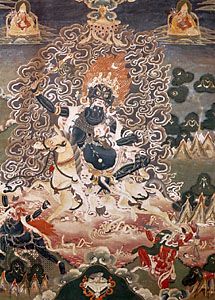
The concept of Dharmapalas is an essential aspect of Buddhist mythology and practices. These figures are often seen as protectors of the Buddha’s teachings and are integral to maintaining the integrity of the Buddhist path. The term “Dharmapala” translates to “guardian of the Dharma,” emphasizing their role in safeguarding the teachings and practitioners of Buddhism. In various Buddhist traditions, these protectors are depicted with fierce appearances, symbolizing their strength and commitment to defending the teachings against negative forces. Understanding Dharmapalas involves exploring their origins, characteristics, and significance within the broader context of Buddhist practice.
Origins of Dharmapalas
The origins of Dharmapalas can be traced back to ancient Indian traditions, where local deities were incorporated into the expanding Buddhist framework. As Buddhism spread across Asia, these deities were reinterpreted and transformed into Dharmapalas, reflecting the merging of local beliefs with Buddhist philosophy. The process of syncretism allowed for the adaptation of existing cultural figures into the Buddhist pantheon, making the teachings more relatable to different communities. This adaptation is evident in various cultures, where the characteristics and roles of Dharmapalas vary according to local traditions and beliefs.
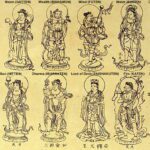 Devas
DevasIn early texts, Dharmapalas were primarily associated with the protection of the Buddhist community and the preservation of the Dharma. They were often invoked during rituals and ceremonies, where practitioners sought their guidance and protection. The earliest references to Dharmapalas can be found in the Vinaya Pitaka, one of the oldest Buddhist scriptures, which outlines the rules for monastic discipline. These texts highlight the importance of Dharmapalas in maintaining the spiritual integrity of the monastic community and ensuring that the teachings were not corrupted by external influences.
As Buddhism developed, different schools and traditions began to emphasize specific Dharmapalas. For instance, in Tibetan Buddhism, the figure of Mahakala emerged as a prominent protector, often depicted with a fearsome appearance and multiple arms. Mahakala is seen as a powerful protector of the teachings, embodying the principles of compassion and wisdom. This evolution of Dharmapalas illustrates how these figures adapted to the needs of various communities while maintaining their core role as guardians of the Dharma.
Characteristics of Dharmapalas
Dharmapalas are typically characterized by their fierce appearances and formidable presence. They are often depicted with vibrant colors, multiple arms, and various symbols that represent their power and protective qualities. This fierce imagery serves a dual purpose: it instills a sense of reverence and awe in practitioners, while also symbolizing the strength needed to overcome obstacles on the spiritual path. The fierce aspect of Dharmapalas is essential, as they are believed to combat negative forces and protect the Dharma from harmful influences.
 Devadatta
In addition to their fierce appearance, Dharmapalas are often associated with specific attributes and symbols. For example, many are depicted holding weapons, such as swords or staffs, which symbolize their ability to cut through ignorance and negativity. Others may carry sacred objects, such as skulls or muskets, representing the impermanence of life and the importance of spiritual insight. These symbols serve as reminders of the qualities that practitioners must cultivate in their own lives, such as courage, determination, and wisdom.
Another significant characteristic of Dharmapalas is their connection to specific deities and bodhisattvas. Many Dharmapalas are considered manifestations of enlightened beings, embodying their qualities and assisting practitioners on their spiritual journeys. For instance, Vajrapani is often regarded as a Dharmapala in Mahayana Buddhism, representing the power of compassion and protection. This connection to enlightened beings emphasizes the idea that Dharmapalas are not merely guardians but also guides who help practitioners navigate the complexities of the spiritual path.
Types of Dharmapalas
 Dalai Lama
There are numerous Dharmapalas across various Buddhist traditions, each with unique attributes and roles. The classification of Dharmapalas can vary, but they are often categorized into two main groups: personal protectors and temporal protectors. Personal protectors are those that individuals may invoke for personal guidance and protection, while temporal protectors are associated with the overall protection of the Buddhist community and its teachings.
- Personal Protectors: These are Dharmapalas that individuals connect with on a personal level. They are often invoked in prayer and meditation for guidance and support. A well-known example is Jambhala, the protector of wealth and prosperity, who is called upon for assistance in overcoming financial difficulties.
- Temporal Protectors: These Dharmapalas are considered guardians of the entire Buddhist community. They are invoked during rituals and ceremonies to protect the teachings and the practitioners as a whole. An example of a temporal protector is Mahakala, who safeguards the Dharma from external threats.
Additionally, within Tibetan Buddhism, Dharmapalas can be further categorized into protectors of the lineage and protectors of the teachings. Protectors of the lineage are those that specifically guard the teachings passed down through generations, while protectors of the teachings focus on preserving the core principles of Buddhism against misinterpretation or distortion. This classification highlights the multifaceted roles that Dharmapalas play within the broader Buddhist community.
The Role of Dharmapalas in Practice
In Buddhist practice, Dharmapalas hold significant importance, particularly in the context of rituals and ceremonies. Practitioners often invoke these protectors during meditation, prayers, and ceremonies to seek their blessings and guidance. The act of invoking Dharmapalas serves to create a sacred space, where practitioners feel supported and protected in their spiritual endeavors. This connection to Dharmapalas is believed to enhance the efficacy of spiritual practices, providing a sense of security and confidence.
Many rituals involve offerings made to Dharmapalas, which can include food, incense, and symbolic items. These offerings are meant to express gratitude and devotion, reinforcing the bond between practitioners and these protective figures. The act of making offerings is also seen as a way to cultivate generosity and humility, essential qualities on the Buddhist path. Through these rituals, practitioners acknowledge the Dharmapalas’ role in their spiritual journey and seek their assistance in overcoming obstacles.
Furthermore, Dharmapalas are often invoked during important life events, such as initiation ceremonies or rituals for healing. In these contexts, the presence of Dharmapalas is believed to provide additional protection and support, helping individuals navigate challenges and transitions. The connection to Dharmapalas during significant life events emphasizes the integration of spiritual practice into everyday life, illustrating how these figures can offer guidance and support in various circumstances.
Dharmapalas in Different Cultures
The concept of Dharmapalas is not limited to one specific culture but is found across various Buddhist traditions around the world. Each culture has adapted the idea of Dharmapalas to fit its unique context, leading to a rich diversity of interpretations and representations. For instance, in Tibetan Buddhism, Dharmapalas are often depicted with elaborate iconography and are associated with specific rituals and practices. Their fierce forms are meant to inspire both fear and respect, reminding practitioners of the importance of spiritual vigilance.
In contrast, in Southeast Asian countries, such as Thailand and Myanmar, Dharmapalas may take on different forms, often influenced by local beliefs and deities. For example, the figure of Yama, the lord of death, is sometimes seen as a Dharmapala in these cultures, representing the inevitability of death and the importance of living a righteous life. This adaptation highlights how local customs and beliefs can shape the understanding and representation of Dharmapalas.
Moreover, in Japan, the concept of Dharmapalas has been integrated into the Shingon and Tendai schools of Buddhism. Here, figures like Fudo Myoo, who embodies the protective qualities of fire and wisdom, serve as Dharmapalas. These figures are venerated in various rituals and practices, showcasing the unique blend of Buddhist teachings with local spiritual traditions. The diverse representations of Dharmapalas across cultures illustrate the adaptability and relevance of these figures in different contexts.
Modern Interpretations of Dharmapalas
In contemporary Buddhism, the understanding and role of Dharmapalas continue to evolve. As Buddhism interacts with modern society, practitioners are finding new ways to connect with these figures. Some modern practitioners may approach Dharmapalas not just as traditional protectors but as symbolic representations of the qualities they aspire to cultivate in their own lives. This shift allows for a more personal and relatable interpretation of Dharmapalas, making their teachings accessible to a broader audience.
Additionally, the rise of mindfulness practices and secular Buddhism has led to a reevaluation of the role of Dharmapalas in modern spiritual practice. Some individuals may engage with the concept of Dharmapalas in a more metaphorical sense, viewing them as internal guides that help navigate challenges and obstacles in life. This interpretation emphasizes the psychological and emotional aspects of spirituality, allowing practitioners to draw on the qualities of Dharmapalas as they face modern-day challenges.
Moreover, the increasing interest in Buddhism in the West has led to a greater appreciation for the cultural and historical contexts of Dharmapalas. Many practitioners are exploring the rich tapestry of Buddhist mythology and its implications for contemporary life. This exploration fosters a deeper understanding of the protective qualities embodied by Dharmapalas, encouraging individuals to cultivate these qualities within themselves as they navigate their spiritual journeys.
Dharmapalas play a vital role in Buddhist mythology and practice. Their fierce characteristics, diverse representations, and protective qualities highlight their significance in safeguarding the teachings of the Buddha. As practitioners continue to explore the concept of Dharmapalas in various cultural and modern contexts, their relevance and importance remain strong. Through rituals, offerings, and personal connections, Dharmapalas serve as guides and protectors, helping individuals navigate the complexities of their spiritual journeys.