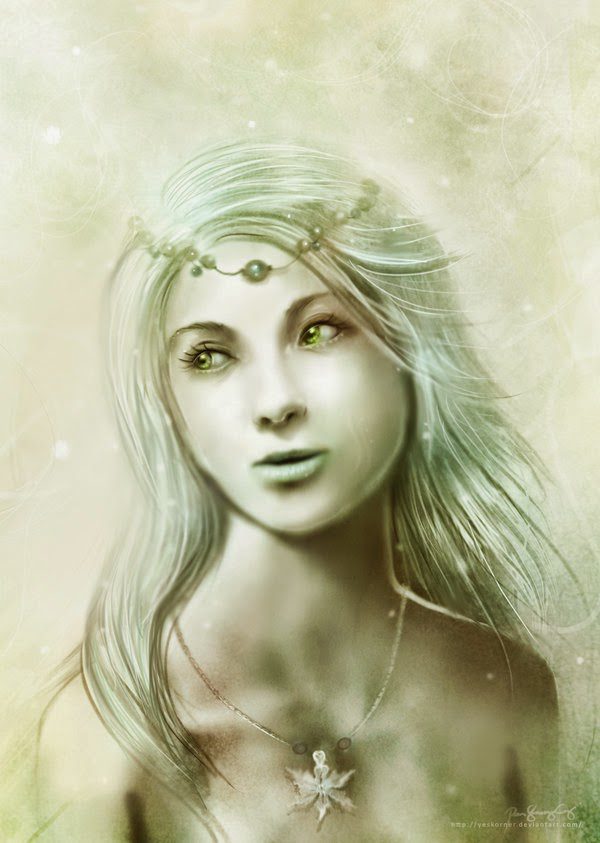
In Greek mythology, Chione is a lesser-known figure, but her story is captivating and rich in themes of beauty, love, and tragedy. Chione is often associated with the idea of winter and snow, as her name translates to “snow.” She is recognized as the daughter of the god of the North Wind, Boreas, and the nymph Chione. This lineage connects her to both the divine and the natural world, creating a unique position in Greek myths. Her beauty is said to have been so striking that it caught the attention of many gods and mortals alike, leading to various tales about her life and relationships.
The Origins of Chione
 Chloris
The origins of Chione can be traced back to the rich tapestry of Greek mythology, where gods and mortals often intersected. As the daughter of Boreas, the North Wind, Chione was born into a world that valued both strength and beauty. Her mother, a nymph, imbued her with a connection to nature. This dual heritage gave Chione a unique power, as she was not just a beautiful maiden but also a being tied to the forces of nature. The North Wind is often associated with cold and harshness, which mirrors the characteristics attributed to Chione herself.
Chione’s birth was marked by the elements, as her father Boreas was known for his violent gusts and icy breath. This connection to the wind and cold can be seen in her attributes and personality. She embodies the essence of winter, bringing with her the beauty and peril of the season. Many stories highlight her ability to bring snow and frost, emphasizing her role as a deity of winter. This aspect of her character is crucial, as it sets the stage for her interactions with other mythological figures.
Chione and Her Beauty
Chione’s beauty is a central theme in her mythology. She was renowned for her striking appearance, which attracted the attention of many suitors, including gods and heroes. Her beauty was not just skin deep; it was said to be ethereal and otherworldly, captivating all who laid eyes on her. This allure often led to both admiration and jealousy, as other deities and mortals were envious of her charms. In many tales, her beauty serves as a double-edged sword, bringing both admiration and danger.
 Chronos
One of the most notable stories about Chione involves her interactions with the god Apollo. In some versions of the myth, Apollo fell in love with her due to her exceptional beauty. He pursued her relentlessly, using his divine powers to win her affection. However, Chione was not easily swayed. She was proud and confident in her beauty, leading her to reject Apollo’s advances initially. This rejection angered the god, showcasing how her beauty could provoke jealousy and wrath among the gods.
Chione’s Relationships
- Chione and Apollo
- Chione and Hermes
- Chione’s relationship with mortals
Chione’s relationship with Apollo is one of the most famous aspects of her story. After her initial rejection, Apollo eventually managed to win her over. Their relationship, however, was fraught with tension and tragedy. Chione became pregnant with twins, a significant turn in her life that would alter her fate forever. The twins, Aristaeus and Orpheus, were born from this union, connecting Chione to two important figures in Greek mythology. While Aristaeus is known for his agricultural skills, Orpheus is famous for his musical talents and tragic love story.
Another important relationship in Chione’s life was with Hermes, the messenger god. In some myths, Hermes also fell in love with Chione and attempted to woo her. Their interactions often highlight the playful and mischievous nature of Hermes, contrasting with the more serious demeanor of Apollo. These relationships demonstrate Chione’s centrality in the mythology of the gods, as her beauty and strength attracted powerful beings.
 Chthonia
The Tragedy of Chione
Despite her beauty and divine connections, Chione’s life is marked by tragedy. After becoming a mother, her life took a darker turn. The jealousy of the gods, particularly that of Apollo, began to haunt her. In some versions of her story, Chione’s pride in her beauty led to her downfall. She boasted about being more beautiful than the goddess Artemis, which enraged the goddess. In retaliation, Artemis punished Chione by killing her children, showcasing the severe consequences of angering the gods.
This tragic event underscores the theme of beauty leading to suffering in Greek mythology. Chione’s pride and the resulting punishment serve as a cautionary tale about the dangers of vanity and hubris. The loss of her children left Chione devastated, and she became a symbol of sorrow and regret. This shift in her narrative illustrates the complexities of her character, as she transitions from a figure of beauty to one of tragedy.
Chione in Art and Literature
Chione’s story has inspired various works of art and literature throughout history. Artists have often depicted her as a beautiful maiden surrounded by snow and winter landscapes, emphasizing her connection to the cold. These artistic representations highlight her dual nature as both a symbol of beauty and a reminder of the harshness of winter. Chione’s image has been used to convey themes of love, loss, and the power of nature.
In literature, Chione appears in various ancient texts, where her story is intertwined with those of other mythological figures. Poets and playwrights have drawn upon her tale to explore themes of beauty, pride, and the consequences of defying the gods. Her interactions with Apollo and Artemis serve as powerful narratives that illustrate the complexities of divine relationships in Greek mythology.
Modern Interpretations
- Chione in contemporary literature
- Chione in popular culture
- Chione’s symbolism in modern contexts
In contemporary literature, Chione has been revisited and reinterpreted by modern authors. Her story is often used to explore themes of femininity, power, and the struggles faced by women in a patriarchal society. Writers have taken her character and placed her in new contexts, allowing for a fresh examination of her beauty and tragedy. These modern interpretations highlight the enduring relevance of Chione’s story, as it resonates with contemporary audiences.
Chione has also found her way into popular culture, appearing in movies, television shows, and video games. Her character is often reimagined, showcasing her beauty and strength while also delving into her tragic past. These adaptations help to keep her story alive and introduce her to new generations. The symbolism of Chione as a figure of beauty and tragedy continues to inspire creators across various mediums.
Chione and the Themes of Greek Mythology
Chione’s story encapsulates several key themes found throughout Greek mythology. One of the most prominent themes is the relationship between beauty and suffering. Chione’s beauty brings her both admiration and jealousy, ultimately leading to her tragic fate. This theme is echoed in the stories of many other mythological figures, where beauty often comes at a cost. The idea that beauty can attract both love and hatred is a recurring motif in Greek myths.
Another important theme in Chione’s narrative is the power of the gods. Her interactions with Apollo and Artemis highlight the capricious nature of the deities and their ability to bestow blessings or punishments. Chione’s story serves as a reminder of the importance of humility and respect for the divine. The consequences of her pride illustrate the dangers of challenging the gods, a lesson that resonates throughout Greek mythology.
Lessons from Chione’s Story
- The importance of humility
- The dual nature of beauty
- The consequences of jealousy
One of the key lessons from Chione’s story is the importance of humility. Her pride in her beauty ultimately leads to her downfall, serving as a cautionary tale about the dangers of arrogance. This theme encourages individuals to recognize their strengths without letting them cloud their judgment or relationships with others. It is a reminder that true beauty lies not just in appearance but also in character and humility.
Chione’s tale also highlights the dual nature of beauty. While it can attract love and admiration, it can also lead to jealousy and conflict. This complexity is a recurring theme in many myths, illustrating the idea that beauty can be both a gift and a burden. Chione’s life serves as a poignant reminder of this duality, encouraging reflection on the nature of beauty in our own lives.
Finally, the consequences of jealousy are a significant aspect of Chione’s story. Her interactions with the gods reveal how jealousy can lead to tragic outcomes. The envy of Apollo and Artemis resulted in devastating consequences for Chione and her family. This theme underscores the destructive power of jealousy and the importance of fostering positive relationships based on love and respect rather than envy.
Chione’s Legacy
Chione’s legacy in Greek mythology is multifaceted. While she may not be as well-known as other figures, her story carries significant weight in the broader context of mythological narratives. Her character represents the interplay between beauty, nature, and the divine, creating a rich tapestry of themes that resonate through the ages. Chione serves as a reminder of the complexities of life, where beauty and tragedy often coexist.
In addition to her own narrative, Chione’s legacy is intertwined with the stories of her children, Aristaeus and Orpheus. Their tales continue to be celebrated in literature and art, further extending Chione’s influence in the mythological canon. Through them, her story lives on, reminding us of the enduring power of mythology to convey important lessons about love, loss, and the human experience.
Chione in Modern Society
- The relevance of Chione’s story today
- Chione as a symbol of resilience
- Chione’s impact on feminist interpretations
Chione’s story remains relevant in modern society as it addresses universal themes that continue to resonate. The struggles of beauty, pride, and the consequences of jealousy are experiences that many individuals can relate to today. Chione’s narrative encourages reflection on how these themes manifest in contemporary life, making her story a valuable lens through which to examine personal and societal challenges.
Moreover, Chione can be seen as a symbol of resilience. Despite her tragic fate, her character embodies strength and determination. She faced the wrath of the gods and the loss of her children, yet her story continues to inspire. This resilience resonates with many who face adversity, reminding them that even in the face of hardship, strength can emerge.
Chione’s impact on feminist interpretations of mythology is also noteworthy. Her story has been revisited by modern scholars and writers who explore the complexities of female characters in ancient narratives. By examining Chione’s experiences, these interpretations highlight the challenges faced by women in a patriarchal society, allowing for a deeper understanding of her character and the broader implications of her story.