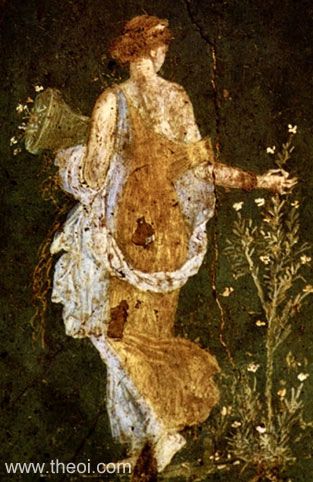
In Greek mythology, Chloris is a fascinating figure often associated with flowers and the beauty of nature. She is known as the goddess of flowers, and her presence is deeply intertwined with the themes of growth, fertility, and the blossoming of life. Chloris is frequently depicted as a beautiful young woman surrounded by blooming flowers, embodying the vibrant essence of spring. Her mythological stories are rich with symbolism, representing the connection between the natural world and the divine.
The Origin of Chloris
The origins of Chloris can be traced back to ancient Greek texts, where she is often identified with the Roman goddess Flora. According to myth, Chloris was originally a nymph, one of the many spirits of nature. She was known for her beauty and grace, capturing the attention of gods and mortals alike. Her association with flowers began when she was granted the power to create blossoms and bring life to the earth.
 Chronos
Chloris’s story is sometimes linked to the tale of Zephyrus, the god of the west wind. Zephyrus fell in love with her and took her as his wife. Their union symbolizes the relationship between the wind and the flowers, as the gentle breezes of spring help to spread the seeds and encourage growth. This partnership between Chloris and Zephyrus highlights the balance of nature and the importance of collaboration in fostering life.
The Symbolism of Chloris
Chloris represents various important themes in Greek mythology. One of the most significant aspects of her symbolism is the concept of fertility. As the goddess of flowers, she is often associated with the growth and abundance of plants, which are essential for sustaining life. This connection to fertility extends beyond just plants; it also encompasses the fertility of the earth and the cycles of life.
In addition to fertility, Chloris embodies the idea of beauty. Flowers are often seen as symbols of beauty, and Chloris, as their goddess, represents the aesthetic pleasures of nature. Her presence in mythology serves as a reminder of the importance of appreciating the beauty that surrounds us. This appreciation is crucial for maintaining a harmonious relationship with nature and understanding its vital role in our lives.
 Chthonia
Chloris in Art and Literature
Throughout history, Chloris has been a popular subject in various forms of art and literature. Artists have often depicted her in lush landscapes filled with vibrant flowers, capturing the essence of spring and renewal. Many paintings showcase her as a graceful figure, often surrounded by blossoms in full bloom. This artistic representation emphasizes her role as a nurturing force in nature.
In literature, Chloris appears in numerous poems and stories, often symbolizing the fleeting nature of beauty and the importance of embracing life. Her character serves as a reminder that beauty is transient, much like the flowers that bloom and wither. This theme resonates deeply with human experiences, making Chloris a relatable figure in literary works.
Chloris and the Seasons
Chloris is closely associated with the changing of the seasons, particularly spring. As the goddess of flowers, she signifies the end of winter and the beginning of new life. The arrival of spring brings warmth and rejuvenation, leading to the blossoming of flowers and the awakening of nature. Chloris embodies this transformation, representing the hope and renewal that spring brings.
 Circe
CirceThe relationship between Chloris and the seasons is also reflected in her connection to other deities. For instance, she is often depicted alongside Demeter, the goddess of the harvest, and Persephone, the goddess of spring and rebirth. Together, these goddesses illustrate the cycle of life, death, and rebirth, emphasizing the interconnectedness of nature and the divine.
Festivals and Worship
In ancient Greece, various festivals were held in honor of Chloris and her role in the natural world. One of the most notable celebrations was the Floralia, a festival dedicated to the goddess Flora, which often included tributes to Chloris as well. During this festival, people would decorate their homes with flowers, hold feasts, and engage in various forms of entertainment to celebrate the arrival of spring.
Worship of Chloris was also evident in rural communities, where farmers would offer prayers and sacrifices to ensure a bountiful harvest. The arrival of flowers was seen as a blessing, and communities would come together to celebrate the beauty of nature and express gratitude for the gifts it provided. These rituals reinforced the connection between the people and the land, highlighting the importance of respecting and nurturing the environment.
Chloris in Modern Culture
Today, the legacy of Chloris continues to resonate in modern culture. She remains a symbol of beauty, growth, and the importance of nature. Various art forms, including literature, painting, and music, still draw inspiration from her character and the themes she represents. Many contemporary artists depict her in their work, celebrating the beauty of flowers and the joy of spring.
Additionally, Chloris’s influence can be seen in environmental movements that advocate for the preservation of nature and biodiversity. Her association with flowers serves as a reminder of the delicate balance of ecosystems and the need to protect our planet. In this way, Chloris remains relevant, inspiring individuals to appreciate and care for the natural world around them.
The Legacy of Chloris
The legacy of Chloris in Greek mythology extends beyond her role as a goddess of flowers. She represents the deep connection between humanity and nature, emphasizing the importance of nurturing the environment. Her stories encourage people to appreciate the beauty that surrounds them and to recognize the vital role that nature plays in their lives.
Furthermore, Chloris’s influence can be seen in various aspects of culture, from art and literature to environmental advocacy. Her character serves as a reminder of the cyclical nature of life and the importance of harmony between humanity and the natural world. By understanding and honoring Chloris, individuals can foster a greater appreciation for the beauty and complexity of the environment.
Chloris in Comparative Mythology
When examining Chloris in the context of comparative mythology, it is fascinating to note the parallels between her and other deities from different cultures. Many ancient civilizations have their own representations of nature gods and goddesses who symbolize growth, fertility, and the beauty of flowers. For example, in Roman mythology, Flora serves a similar role as the goddess of flowers and the season of spring.
In Norse mythology, the goddess Freyja is associated with love, beauty, and fertility, much like Chloris. Freyja is also connected to the growth of plants and the cycles of life, emphasizing the universal themes present in many mythologies around the world. This connection between Chloris and other deities highlights the shared human experience of celebrating nature and its wonders.
Chloris in Gardens and Horticulture
The influence of Chloris extends into the realms of gardening and horticulture. Her association with flowers has inspired many to cultivate gardens filled with various blooms, celebrating the beauty of nature. Gardeners often draw inspiration from her character, creating vibrant landscapes that reflect the joy and abundance of spring.
Many flower species have been named in honor of Chloris or have connections to her mythology. The study of plants and their symbolism often leads back to ancient myths, where flowers represent love, beauty, and the ephemeral nature of life. This connection to Chloris serves as a reminder of the importance of nurturing not only the plants but also the environment as a whole.
Chloris in Popular Media
In recent years, Chloris has made appearances in various forms of popular media, including films, television shows, and literature. Her character often symbolizes the beauty and vitality of nature, reminding audiences of the importance of environmental stewardship. These portrayals continue to keep her legacy alive and relevant in contemporary culture.
For example, animated films that explore themes of nature often include characters inspired by Chloris, representing the spirit of spring and the joy of flowers. This representation helps introduce younger audiences to the rich tapestry of mythology and the significance of nature in our lives. Through these mediums, Chloris continues to inspire appreciation for the natural world.
Chloris stands as a powerful symbol in Greek mythology, representing the beauty of nature, fertility, and the importance of growth. Her connections to various deities, seasons, and cultural practices illustrate the deep relationship between humanity and the natural world. As we continue to celebrate her legacy through art, literature, and environmental advocacy, Chloris serves as a reminder of the beauty and complexity of life.