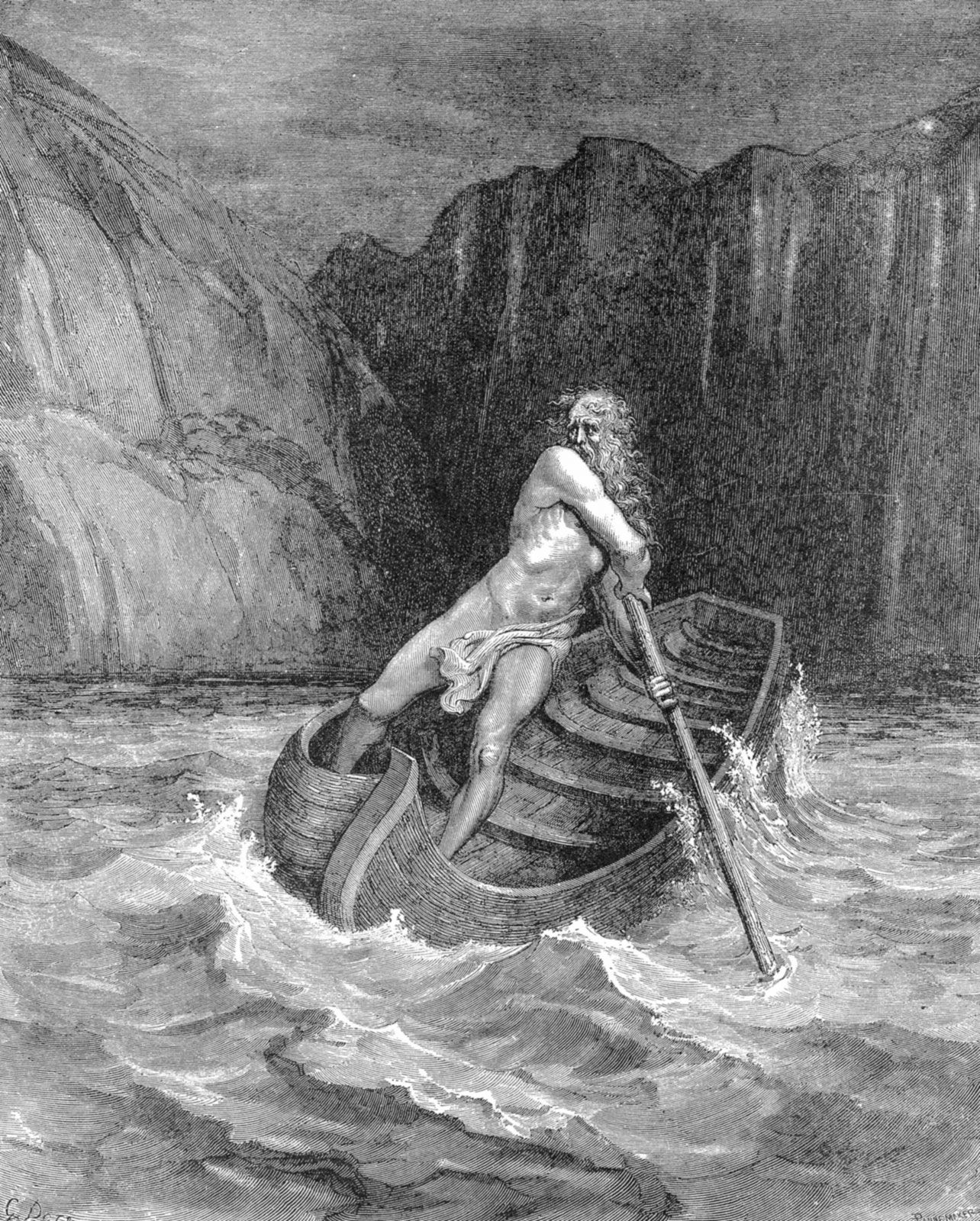
In Greek mythology, Charon is a significant figure known as the ferryman of the Underworld. He is responsible for transporting the souls of the deceased across the river Styx, which separates the world of the living from the realm of the dead. Charon is often depicted as a grim and silent figure, reflecting the somber nature of his duties. His role emphasizes the importance of proper burial rites in ancient Greece, as it was believed that those who could not pay Charon for their services would be left to wander the shores of the Styx for eternity.
The Appearance of Charon
Charon is typically described as an old man with a long beard, wearing tattered clothing. His appearance is often unsettling, which aligns with his role as a guide for the dead. He is usually portrayed with a stern expression, symbolizing the seriousness of his responsibilities. Charon is often depicted with a boat, which he uses to ferry souls across the river. The boat is a crucial element of his character, representing the transition from life to death.
 Charybdis
In many artistic representations, Charon is shown alongside his boat on the Styx. His boat is often small and fragile, mirroring the fragility of human life. The contrast between Charon’s grim demeanor and the serene waters of the Styx highlights the duality of death: it can be both a frightening and peaceful experience. This imagery serves to remind the living of the inevitable nature of death and the journey that follows.
The Role of Charon in Greek Mythology
Charon’s primary role is to ferry souls across the Styx, but his responsibilities extend beyond mere transportation. He acts as a gatekeeper to the Underworld, determining who is worthy of passage. According to myth, Charon would only accept souls that had received proper burial rites. This aspect of his character underscores the ancient Greek belief in the significance of honoring the dead. Without a proper burial, souls would be left to wander the shores of the Styx, forever unable to enter the Underworld.
Charon’s duties also highlight the importance of funeral rites in ancient Greek culture. The living were expected to perform rituals and offer payments to Charon, often in the form of coins, which were placed in the mouths of the deceased. This practice was known as the Charon’s obol, and it was believed that this payment would ensure safe passage to the afterlife. The presence of Charon in mythology serves as a reminder of the cultural significance of honoring the dead and the rituals surrounding death.
 Chiron
Charon and the River Styx
The Styx is one of the most famous rivers in Greek mythology, and it plays a crucial role in the stories surrounding Charon. This river is often described as dark and foreboding, reflecting the nature of the Underworld itself. The Styx is said to have magical properties, and it serves as a boundary between the living and the dead. Crossing the Styx is seen as a significant event, marking the transition from life to the afterlife.
In many myths, the Styx is portrayed as a place of sorrow and despair, where the souls of the deceased gather before meeting Charon. The river is also home to various creatures and spirits, adding to its mysterious and ominous nature. The presence of Charon as the ferryman reinforces the idea that death is not an end but a journey to another realm. His role in guiding souls across the Styx symbolizes the transition from the known world to the unknown.
 Chelone
Charon in Literature and Art
Throughout history, Charon has been a popular subject in literature and art. His image has been depicted in various forms, from ancient pottery to Renaissance paintings. Many artists have sought to capture the essence of Charon and the themes of death and transition that he embodies. These artistic representations often emphasize the somber nature of his role, portraying him as a figure of both fear and respect.
In literature, Charon appears in various ancient texts, including Homer’s “Odyssey” and Virgil’s “Aeneid.” In these works, Charon is depicted as a crucial figure in the journey of the deceased, guiding them through the Underworld. His presence in these texts serves to underscore the significance of death and the afterlife in ancient Greek and Roman culture. The stories surrounding Charon contribute to the larger narrative of the human experience, exploring themes of mortality and the unknown.
The Symbolism of Charon
Charon is rich in symbolism, representing various themes related to death and the afterlife. One of the most prominent symbols associated with Charon is the ferryboat. This boat serves as a metaphor for the journey of the soul, emphasizing the idea that death is not an end but a passage to another realm. The act of crossing the Styx in Charon’s boat symbolizes the transition from life to death, reinforcing the belief that death is a natural part of existence.
Another important symbol associated with Charon is the coin. The payment made to Charon, known as the Charon’s obol, represents the importance of honoring the dead. It highlights the belief that proper burial rites are essential for a peaceful transition to the afterlife. The coin also serves as a reminder of the value of life and the inevitability of death, reinforcing the idea that all must eventually face the journey across the Styx.
Charon in Modern Culture
Charon’s influence extends beyond ancient mythology and continues to resonate in modern culture. He is often referenced in literature, film, and other forms of art. Many contemporary works draw inspiration from Charon’s character, exploring themes of death, the afterlife, and the human experience. His image has become a symbol of mortality, serving as a reminder of the fragility of life and the inevitability of death.
In popular culture, Charon is sometimes portrayed as a more approachable figure, contrasting with the grim image of the ancient myths. This reinterpretation allows for a broader exploration of themes related to death and the afterlife. Modern adaptations often focus on the emotional aspects of Charon’s role, emphasizing the compassion and understanding that can accompany the journey of the soul.
Charon’s character serves as a powerful reminder of the importance of death in the human experience. His role as the ferryman of the Underworld emphasizes the significance of proper burial rites and the transition from life to the afterlife. Through his symbolism and representation in art and literature, Charon continues to resonate with people today, reminding us of the inevitability of death and the journey that follows.