
Cecrops is a fascinating figure in Greek mythology, often regarded as the first king of Athens. His story is filled with elements that highlight the cultural and religious practices of ancient Greece. Cecrops is depicted as a half-man, half-serpent creature, symbolizing both the human and the divine. This duality is significant, as it reflects the beliefs of the Athenians regarding the connection between their city and the gods. The legend of Cecrops is intertwined with the establishment of the city of Athens and its patron goddess, Athena.
The Birth and Origins of Cecrops
The origins of Cecrops are somewhat mysterious, and various myths describe his birth in different ways. According to one version, he was born directly from the earth, which emphasizes his connection to the land and the city of Athens. This miraculous birth is significant because it suggests that he had a divine right to rule. His unique form, with the upper body of a man and the lower body of a serpent, made him a striking figure in mythology. This appearance is often interpreted as a symbol of wisdom and the ability to navigate both the earthly and the divine realms.
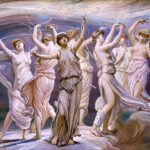 Celaeno
In another version of the myth, Cecrops is said to be the son of the god Hephaestus, who is known for his craftsmanship and skill. This connection to a god further enhances Cecrops’s status as a leader and a protector of the people. His lineage suggests that he possessed not only physical strength but also intelligence and wisdom, qualities essential for a ruler in ancient times. The combination of his origins and his form set the stage for his role in the development of Athens.
Cecrops and the Founding of Athens
Cecrops is best known for his role in the founding of Athens. According to mythology, he was the first king to establish the city and its governance. His reign was marked by significant developments, including the establishment of laws and customs that would shape Athenian society. He is credited with introducing the concept of marriage and family, which were essential for social stability. This move not only strengthened the community but also set a precedent for future generations.
One of the most important events during Cecrops’s reign was the competition between the gods Poseidon and Athena for the patronage of the city. Both deities desired to be the protector of Athens, and the citizens were tasked with deciding who would be the rightful patron. Poseidon struck the ground with his trident, creating a saltwater spring, while Athena offered the olive tree, symbolizing peace and prosperity. Ultimately, the citizens chose Athena, solidifying her role as the goddess of wisdom and warfare and marking a pivotal moment in the city’s history.
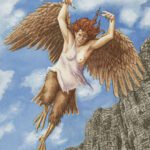 Celaeno-
Cecrops and the Worship of Athena
The relationship between Cecrops and Athena is central to the mythology surrounding Athens. As the first king, Cecrops was responsible for the worship of Athena and the establishment of her cult in the city. He recognized her as the protector of Athens and played a crucial role in promoting her worship among the citizens. This act of devotion not only solidified Athena’s status but also reinforced the importance of divine favor in the lives of the Athenians.
Cecrops’s dedication to Athena is evident in various myths that highlight their relationship. He often sought her guidance and wisdom, particularly during times of crisis. This connection between the king and the goddess illustrates the belief that rulers were chosen by the gods and were expected to uphold their will. Cecrops’s actions and reverence for Athena set a standard for future leaders, emphasizing the importance of divine favor in maintaining order and prosperity in the city.
The Legacy of Cecrops
Cecrops’s legacy is enduring and has left a significant mark on Athenian culture. He is often depicted in art and literature as a wise and just ruler, embodying the ideals of leadership that were highly valued in ancient Greece. His image is frequently associated with the early development of democracy in Athens, as his reign laid the groundwork for future political systems. The respect and admiration for Cecrops can be seen in various festivals and rituals dedicated to him and Athena.
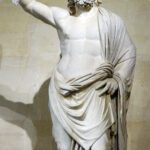 Zeus
ZeusOne of the most notable festivals was the Panathenaea, which celebrated the goddess Athena and included various athletic competitions, sacrifices, and cultural events. During this festival, the citizens of Athens would honor Cecrops alongside Athena, acknowledging his contributions to the city. This annual celebration served to strengthen the bonds of the community and reinforce the values that Cecrops had instilled during his reign.
The Symbolism of Cecrops
The figure of Cecrops carries a wealth of symbolism that reflects the values and beliefs of ancient Athens. His dual nature as a man and a serpent represents the balance between civilization and the primal forces of nature. This duality is essential in understanding the complexities of leadership and governance. Cecrops’s serpent form also symbolizes wisdom and fertility, further emphasizing his role as a protector of the land and its people.
Moreover, Cecrops is often seen as a representation of the transition from a primitive society to a more organized and structured community. His establishment of laws and customs laid the foundation for the development of democracy in Athens. The respect for reason and order that Cecrops embodied became a hallmark of Athenian identity, influencing future generations and shaping the course of Western civilization.
Cecrops remains a significant figure in Greek mythology, representing the ideals of leadership, wisdom, and the connection between the divine and the earthly. His legacy continues to be celebrated in various forms, reminding us of the rich cultural heritage of ancient Athens. The stories surrounding Cecrops serve as a testament to the enduring influence of mythology on the understanding of history and society.