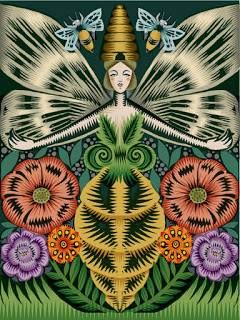
Austéja is a significant figure in Lithuanian mythology, revered as the goddess of bees and honey. She holds a special place in the hearts of the Lithuanian people, symbolizing not only the natural world but also the sweetness of life. Bees are crucial for the environment, and Austéja embodies their importance. In Lithuanian culture, bees are considered sacred creatures, and their honey is often viewed as a gift from the gods. Austéja is thus not only a deity but also a representation of the interconnectedness of nature and humanity.
The Significance of Bees in Lithuanian Culture
In Lithuania, bees are more than just insects; they are seen as a symbol of hard work and community. The production of honey has been an essential part of Lithuanian life for centuries. People rely on honey for its medicinal properties and as a sweetener in their diets. Austéja, as the goddess of bees, is often called upon for blessings related to beekeeping. This reflects the deep respect that Lithuanians have for nature and its resources. The rituals and traditions surrounding bees and honey illustrate how intertwined these elements are with Lithuanian identity.
 Ausrine
Beekeeping is an ancient practice in Lithuania, and it is often associated with various folklore tales and legends. These stories highlight the role of bees in agriculture and the economy. In many villages, beekeepers would perform rituals to honor Austéja, asking for her protection over their hives. The health of the bees was considered a reflection of the community’s well-being. If the bees thrived, it was a sign of prosperity; if they struggled, it was believed that the community faced challenges.
Austéja’s Attributes and Symbols
Austéja is often depicted with honeycombs and flowers, emphasizing her connection to nature and the vital role of bees in pollination. Her imagery reflects the beauty of the natural world and the sweetness of honey. In many artistic representations, she is shown wearing a crown made of flowers, symbolizing her dominion over the floral aspects of the environment. This connection to flowers is crucial, as bees play a significant role in fertilizing plants, ensuring that they bear fruit.
Another important symbol associated with Austéja is the bee itself. Bees are not only vital for producing honey but also for maintaining the ecosystem. They are essential pollinators, and without them, many plants would struggle to reproduce. This ecological role enhances Austéja’s significance as a goddess, linking her to themes of fertility and abundance. The reverence for bees in Lithuanian culture reflects a broader understanding of the importance of biodiversity and environmental stewardship.
 Ašvieniai
Rituals and Celebrations
Various rituals are conducted in honor of Austéja, particularly during the summer months when beekeeping is at its peak. One popular tradition involves the blessing of the hives. Beekeepers gather to perform a ritual that includes chanting and offerings to Austéja. This is done to ensure a bountiful harvest of honey and to protect the bees from disease and harm. These gatherings foster a sense of community, as people come together to celebrate their shared connection to nature and the goddess.
Another important celebration is the Honey Festival, which takes place in various regions of Lithuania. This festival is a vibrant celebration of all things related to bees and honey. Visitors can taste different types of honey, learn about beekeeping, and participate in workshops. The festival not only honors Austéja but also promotes awareness of the importance of bees in the ecosystem. It serves as a reminder of the delicate balance between humans and nature, emphasizing the need for sustainable practices.
Austéja in Folklore and Legends
The stories of Austéja are woven into the rich tapestry of Lithuanian folklore. One popular legend tells of how she taught humans the art of beekeeping. According to this tale, Austéja descended from the heavens to share her knowledge with mortals, ensuring that they could cultivate bees and harvest honey. This story highlights her role as a benevolent figure, providing guidance and wisdom to humanity. It also reinforces the idea that the relationship between humans and nature should be one of respect and care.
 Aspelenie
Another fascinating aspect of Austéja’s mythology is her connection to the changing seasons. In many legends, she is depicted as a goddess who brings the warmth of spring and summer, awakening the flowers and bees from their winter slumber. This seasonal cycle is crucial for agriculture and food production, making her an essential figure in the lives of the Lithuanian people. The changing seasons also reflect the rhythms of life, reminding us of the importance of adaptation and resilience in nature.
The Modern Relevance of Austéja
In contemporary Lithuania, Austéja remains a relevant figure, particularly in discussions about environmental conservation and sustainability. As awareness of the declining bee population grows, many people look to Austéja as a symbol of hope and resilience. Her story serves as a reminder of the vital role that bees play in our ecosystems and the urgent need to protect them. Modern beekeepers often invoke her name, hoping to honor her legacy while working to create a more sustainable future.
Additionally, Austéja’s image is used in various campaigns aimed at promoting biodiversity and ecological awareness. Educational programs in schools often include discussions about her and the importance of bees in agriculture. By integrating mythology into modern education, children learn to appreciate their cultural heritage while understanding the significance of environmental stewardship. This connection between past and present highlights the enduring relevance of Austéja in shaping Lithuanian identity.
Austéja, the goddess of bees and honey, is a vital figure in Lithuanian mythology, representing the deep connection between humans and nature. Her attributes, rituals, and the legends surrounding her emphasize the importance of bees in the ecosystem and the cultural significance of honey in Lithuanian life. As society faces environmental challenges, Austéja’s legacy inspires a renewed commitment to protecting our natural world and fostering a harmonious relationship with all living beings.