
In the vast tapestry of Hindu mythology, there are numerous stories that capture the imagination and highlight the beliefs of ancient cultures. One of the most significant tales is that of Amrita, a divine nectar that bestows immortality. The story of Amrita is intertwined with the Samudra Manthan, or the churning of the ocean, a cosmic event that brought forth not only Amrita but also various other treasures and beings. This tale is rich in symbolism and lessons, reflecting the eternal struggle between good and evil, and the quest for eternal life.
The Churning of the Ocean
The story begins with the Devas (gods) and Asuras (demons) who, after being defeated in a battle, sought to regain their strength and power. They realized that by churning the ocean of milk, they could obtain Amrita, the nectar of immortality. To achieve this, they needed a powerful tool, which led them to use Mount Mandara as the churning rod and the serpent Vasuki as the rope. This grand undertaking required cooperation between the Devas and Asuras, despite their historical animosity.
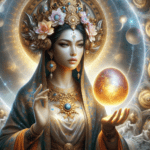 Ammavaru
The churning process was arduous and filled with challenges. As the Devas and Asuras worked together, they faced numerous obstacles. The mountain began to sink into the ocean, prompting Lord Vishnu to take the form of a giant tortoise, Kurma, to support it. This act of divine intervention was crucial for the success of the churning, emphasizing the importance of balance and cooperation in achieving great goals.
Significant Events During the Churning
- Poison Emergence: One of the first things to emerge from the churning was a potent poison called Halahala. This poison was so toxic that it threatened to destroy all of creation. The Devas and Asuras were in despair until Lord Shiva stepped in. He consumed the poison to save the universe, which turned his throat blue, earning him the name Neelkanth.
- Appearance of Divine Beings: Along with Amrita, various divine beings and treasures emerged from the ocean. This included the Kalpavriksha (wish-fulfilling tree), Kamadhenu (the divine cow), and Lakshmi (the goddess of wealth), each symbolizing different aspects of prosperity and abundance.
- Amrita’s Emergence: After much effort, Amrita finally emerged from the ocean, glowing and radiant. Its appearance marked a turning point in the story, as both the Devas and Asuras desired to possess it for themselves.
The Quest for Amrita
With Amrita now in sight, the Devas and Asuras faced a new challenge: how to ensure that they would be the ones to consume the nectar. The Devas, realizing that the Asuras were stronger and more numerous, turned to Lord Vishnu for guidance. He devised a clever plan to deceive the Asuras and ensure that the Devas received the nectar first. This part of the story highlights the theme of intelligence over brute strength.
Vishnu took the form of a beautiful enchantress named Mohini. Her beauty was so captivating that it distracted the Asuras, allowing the Devas to gather around Amrita. As Mohini served the nectar, she ensured that only the Devas received it, while the Asuras were left with nothing. This clever ruse illustrates the idea that wisdom and strategy are essential in overcoming challenges.
 Agni
AgniSignificance of Amrita
- Immortality: Amrita symbolizes the quest for eternal life. In Hindu philosophy, the desire for immortality is often viewed as a natural inclination of the soul, which seeks to transcend the limitations of the physical body.
- Divine Blessings: The nectar also represents divine blessings and the importance of righteousness. Those who consume Amrita are granted not only immortality but also wisdom and strength.
- Balance of Forces: The story of Amrita emphasizes the balance between good and evil. The Devas and Asuras, though opposites, must cooperate to achieve a common goal, reflecting the duality present in the universe.
Amrita in Modern Context
The tale of Amrita continues to resonate in contemporary culture. It serves as a metaphor for the eternal human quest for knowledge, longevity, and spiritual fulfillment. Many people draw parallels between the story and their own lives, seeking their version of Amrita through education, self-improvement, and personal growth. In this sense, Amrita is not just a mythical substance but a representation of the aspirations that drive humanity.
In literature and art, Amrita has inspired countless interpretations. Artists often depict the churning of the ocean in vibrant colors, emphasizing the dynamic forces at play. Writers have explored the themes of cooperation, sacrifice, and the pursuit of enlightenment through various mediums. The story encourages a reflection on the nature of desire and the means by which we seek fulfillment.
Lessons from the Amrita Tale
- Cooperation is Key: The story illustrates the importance of working together, even with those who may be considered adversaries. Collaboration can lead to remarkable outcomes that benefit all.
- Wisdom Over Strength: The cleverness of Lord Vishnu as Mohini teaches that intelligence and strategy can triumph over sheer power.
- Embrace the Journey: The churning of the ocean symbolizes life’s challenges. The process may be difficult, but it often leads to great rewards.
 Agastya
Amrita in Rituals and Practices
In Hindu traditions, the symbolism of Amrita extends into various rituals and practices. For instance, during certain festivals, offerings are made to invoke the blessings of the deities associated with the churning of the ocean. These rituals serve to remind devotees of the significance of divine grace and the importance of maintaining a righteous path.
Additionally, the concept of Amrita is often linked to spiritual practices aimed at achieving enlightenment. Many yogic traditions emphasize the importance of inner purity and discipline, believing that through dedicated practice, one can attain a state akin to immortality. This reflects the idea that true immortality is achieved not through physical means but through spiritual realization.
Symbolic Representation in Art and Literature
- Artistic Depictions: Artists have long been fascinated by the story of Amrita. From ancient sculptures to modern paintings, the imagery associated with the churning of the ocean often captures the dynamic interplay between the Devas and Asuras.
- Literary Interpretations: Writers have used the tale of Amrita to explore themes of ambition, sacrifice, and the quest for knowledge. These interpretations often delve into the psychological aspects of the characters involved.
- Film and Media: The story has also found its way into films and television shows, where it is portrayed with dramatic flair, showcasing the epic battles and divine interventions.
Conclusion: The Enduring Legacy of Amrita
The legacy of Amrita is one that transcends time and cultural boundaries. It serves as a reminder of the eternal quest for knowledge, the importance of cooperation, and the value of wisdom. As individuals continue to seek their own forms of Amrita in life, the story remains a powerful symbol of hope and aspiration in the ever-evolving narrative of human existence.
the tale of Amrita is not just a myth but a profound exploration of the human condition. It encapsulates the struggles, desires, and aspirations that define our journey through life. As we reflect on the lessons embedded in this ancient story, we are reminded of the universal themes that unite us all, regardless of our cultural backgrounds.