WORLD
WORLD
Alloces
Alloces, also written Allocer or Alocer in different sources, is a demon of early modern European ceremonial magic. He is best known from the Ars Goetia, the first section of the grimoire commonly called the Lesser Key of Solomon. In that text, Alloces is listed among the spirits that a magician supposedly summons and commands through ritual authority. He is described as a powerful duke with a lion-like face, fiery eyes, a loud or hoarse voice, and the appearance of a soldier riding a large horse.
Unlike figures from ancient mythology or established religious scripture, Alloces does not have a long, independent history in ancient worship. His surviving description belongs to the later Western grimoire tradition, especially the demonological catalogues of the sixteenth and seventeenth centuries. Claims about his powers, rank and appearance therefore come from those magical texts rather than from a broad, continuous folklore tradition.
Origins in Western demonology
Alloces belongs to a system of spirits developed within European books of magic that combined Christian demonology, ritual instructions, astrology, biblical imagery and materials inherited from earlier magical handbooks. These works presented demons in an organized hierarchy, often assigning each spirit a title such as king, prince, marquis, president or duke. The hierarchy was not a single, universally accepted religious system. Different manuscripts and authors altered names, spellings, ranks and descriptions.
The most important early source for Alloces is Johann Weyer’s Pseudomonarchia Daemonum, first published in 1563 as part of his work on the alleged practices of demon summoners. Weyer was a Christian physician and writer who criticized witch persecutions and regarded many reports of demonic activity as products of deception, illness or human error. Nevertheless, his catalogue preserved descriptions of numerous demons that later influenced occult literature.
In Weyer’s catalogue, the name generally appears as Allocer. The spirit is identified as a duke who appears in the form of a soldier riding a large horse. The later Ars Goetia, probably compiled in the seventeenth century from earlier material and manuscripts, gives a closely related entry under the spelling Alloces. This relationship shows that the figure was transmitted through literary and manuscript traditions rather than through a single foundational myth.
The Ars Goetia is not a text from the biblical period, nor is it a direct record of ancient Jewish or Christian belief. It is part of the learned grimoire tradition of early modern Europe. Its catalogue reflects an attempt to classify supernatural beings within a ritual framework, often using the language of monarchy and military command. The spirits are presented as subordinate officials in an infernal kingdom, even though the exact structure varies from one source to another.
Name and spelling
The spelling of the name is unstable. Alloces is the form widely used in modern editions and popular discussions of the Ars Goetia, while Allocer is prominent in Weyer’s earlier catalogue. Alocer and other variants also occur in later publications and occult reference works. These spellings are usually treated as forms of the same grimoire spirit, not as securely documented separate beings.
The name’s deeper etymology is uncertain. Some writers have proposed connections with classical or medieval names, but there is no firmly established ancient language origin that explains it conclusively. It is safer to regard the name as a product of the transmission of demonological manuscripts, in which copying errors, changes in pronunciation and editorial choices were common.
Alloces should not automatically be connected with every similarly named figure in folklore or demonology. A resemblance to names such as Alastor, Alecto or other beings from unrelated traditions does not demonstrate a historical relationship. The specific identity of Alloces is defined primarily by his entry in the goetic catalogues.
Rank and place in the Ars Goetia
In standard editions of the Ars Goetia, Alloces is listed as the fifty-second spirit. He is given the title of duke, a rank that places him among the powerful aristocratic spirits of the catalogue. The text states that he commands thirty-six legions of spirits.
These numbers belong to the internal organization of the grimoire. They should not be treated as evidence for a universally recognized hierarchy of demons across Christianity, Judaism or European folklore. The catalogue’s ranks imitate political and military structures familiar to early modern readers. A “duke” in this setting is a literary and ritual classification, not a position recognized by Christian theology as a formal office in the supernatural world.
The Ars Goetia presents each spirit as having a particular office or function. Such offices make the beings useful within the logic of ceremonial magic: one spirit may supposedly reveal hidden things, another teach languages, another influence social relationships, and another provide familiars. Alloces is associated principally with astronomy and the liberal sciences.
Appearance and traditional attributes
The most distinctive feature of Alloces is his hybrid appearance. The Ars Goetia describes him as a soldier seated on a large horse. His face is said to resemble that of a lion, and his eyes are described as red or fiery. His voice is loud and hoarse, creating an image of a commanding and intimidating figure.
This description combines several symbolic elements. The soldier suggests authority, discipline and martial power. The horse is a traditional emblem of movement, status and force, while a mounted figure can imply command over troops or territory. The lion’s face evokes courage, ferocity and sovereignty. Fiery eyes are common in demonological and supernatural imagery, where they may signify danger, supernatural energy or the frightening gaze of a being from beyond the human world.
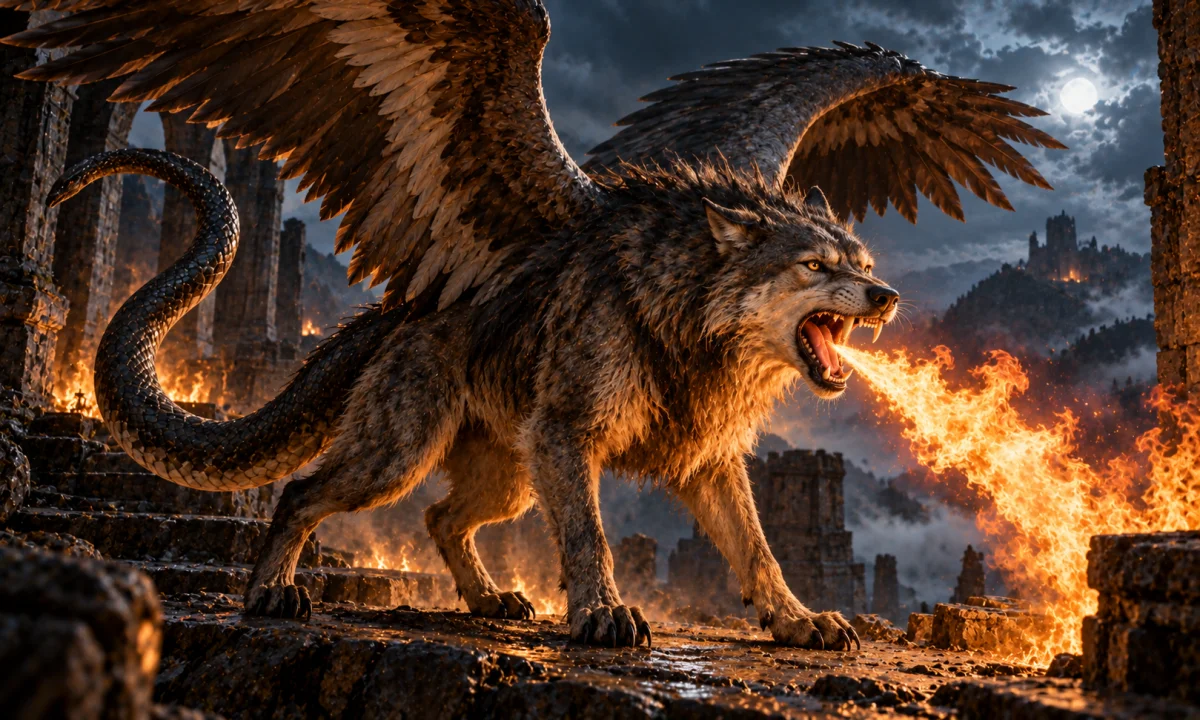
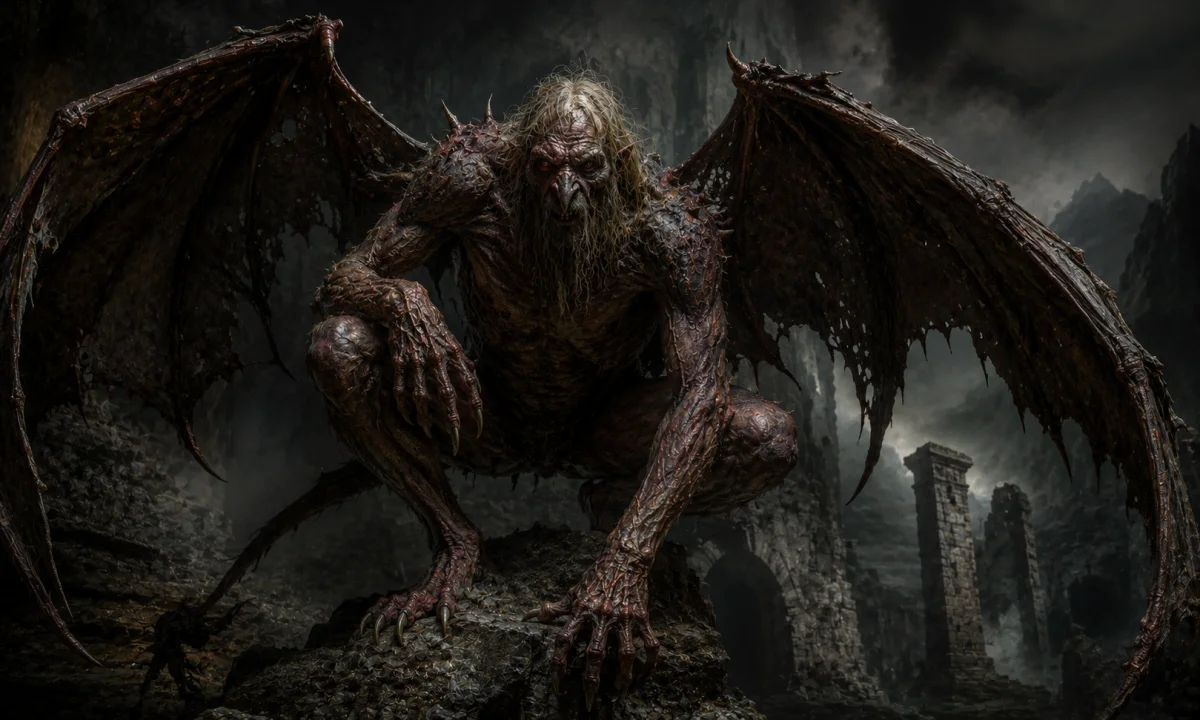
The sources do not provide a detailed physical portrait in the modern sense. They do not establish a consistent colour scheme for the horse, specify armour in detail or describe a complete body transformation. Later artists and occult authors have often expanded the image, adding elaborate weapons, armour, horns, wings or infernal surroundings. Those additions should be distinguished from the short description preserved in the grimoire tradition.
Abilities and office
Alloces is traditionally said to teach astronomy and the liberal sciences. In the context of early modern Europe, astronomy was closely connected with astrology, mathematics and the study of celestial motions. The phrase “liberal sciences” refers broadly to learned disciplines associated with a cultivated education. It does not necessarily mean that Alloces was assigned one precise academic subject in the modern sense.
The traditional entry therefore presents him as a spirit of forbidden or supernatural instruction. His supposed knowledge is not described through a particular story in which he teaches a named student. Instead, the grimoire assigns him an office, as it does to many other spirits. The text gives no independent demonstration that he possesses astronomical knowledge, and there is no historical evidence that ritual practitioners actually received reliable scientific instruction from him.
Alloces is also said to provide good familiars. In early modern magical language, a familiar was a supernatural assistant or attendant believed to serve a practitioner. The word could refer to a spirit companion, an animal associated with witchcraft or a helpful entity used for magical tasks. The phrase in the Ars Goetia is brief and does not explain what form these familiars take or how they are meant to function.
The combination of teaching and supplying familiars places Alloces within the practical structure of the grimoire. He is not primarily presented as a tempter, torturer or ruler of a particular punishment. His role is that of an authoritative instructor and provider of supernatural assistance, although the intimidating imagery reinforces the dangers that Christian demonological literature associated with contact with demons.
Alloces and the wider demonological tradition
Early modern demonology often borrowed the appearance and titles of earthly institutions. Demons were given armies, legions, courts, offices and ranks. This did not mean that all writers believed in one exact infernal administration. Rather, the classifications helped authors organize a large body of names and ritual claims.
The tradition also drew on older ideas about spirits of knowledge. In European magical literature, supernatural beings were frequently imagined as custodians of hidden learning, celestial secrets and occult correspondences. Astronomy was especially suitable for this role because the heavens were believed to influence earthly events and because the study of celestial patterns overlapped with astrology, a discipline that occupied an uncertain position between learned science, divination and magic.
Alloces’ lion-like face may also be understood within the broader visual language of demons and guardian beings. Animal-human hybrids appear throughout medieval and early modern art, religious imagination and magical manuscripts. A lion’s features could communicate nobility as well as violence. However, the source does not explain the symbolism, so any interpretation remains a scholarly or artistic reading rather than an explicit statement by the original author.
Stories, relationships and variants
Alloces has no widely preserved myth cycle, family history or set of legendary adventures comparable to those associated with figures such as Lucifer, Beelzebub or Astaroth. The grimoire entry is primarily a catalogue notice. It identifies his rank, appearance, powers and number of legions but does not narrate a conflict, bargain or journey involving him.
He is not presented as a member of a clearly defined family of demons, nor is he given a consistent relationship with Satan, Solomon or another named supernatural ruler. The reference to Solomon belongs to the larger framing tradition of the Lesser Key, which portrays the spirits as beings controlled by the biblical king through magical authority. The historical composition of the grimoire is much later than the period traditionally associated with Solomon, and the text should not be treated as an ancient document written by him.
Differences between versions are important. The name may appear as Alloces or Allocer, and descriptions can vary slightly in wording. Some editions emphasize his status as a great duke, while others reproduce the catalogue formula more briefly. Later occult dictionaries and encyclopaedias may add details that are not present in the earliest surviving descriptions. The safest identification is therefore the spirit associated with the lion-faced mounted soldier in the Weyer and goetic catalogues.
Distinguishing Alloces from similar figures
Alloces is sometimes confused with other named demons because demonological catalogues contain many similar titles, spellings and animal forms. Such confusion is increased by the fact that different editions use different transliterations and by the tendency of modern occult books to harmonize material from separate sources.
- Allocer: Usually regarded as a variant form of Alloces, especially because of the close similarity between the descriptions in Weyer’s catalogue and the Ars Goetia.
- Alocer: A further spelling found in later references. It generally refers to the same goetic figure, although individual authors may use the form inconsistently.
- Astaroth: A separate spirit in the goetic catalogue, with a different name, rank and traditional appearance. Similarities in status do not make Astaroth another form of Alloces.
- Andrealphus: Another goetic spirit associated with learned knowledge, particularly geometry and astronomy in some descriptions, but not the lion-faced mounted duke called Alloces.
- Classical lion-bodied beings: Figures such as the sphinx or the Greek Nemean Lion belong to different mythological traditions. Their lion imagery does not establish a connection with Alloces.
Historical and religious interpretation
From a historical perspective, Alloces is evidence of how early modern Europeans organized supernatural knowledge in books of magic. The entry reflects a world in which astrology, theology, medicine, philosophy and ritual practice could overlap. A spirit who teaches astronomy could be both a useful occult authority and a dangerous demonic presence, depending on the author’s religious viewpoint.
Christian authorities generally condemned the attempted summoning of demons, even when grimoires presented the practice as controlled and orderly. The ritual magician’s claim to command a spirit did not make the practice acceptable within mainstream Christian theology. Demonological texts often preserved magical procedures while framing them as warnings, accusations or records of illicit activity.
Modern historians therefore distinguish between the existence of the text and the truth of its supernatural claims. There is documentary evidence that names such as Allocer and Alloces circulated in European demonological literature. There is no comparable historical evidence that a literal demon with the described appearance taught astronomy, commanded legions or supplied familiars.
Modern reception
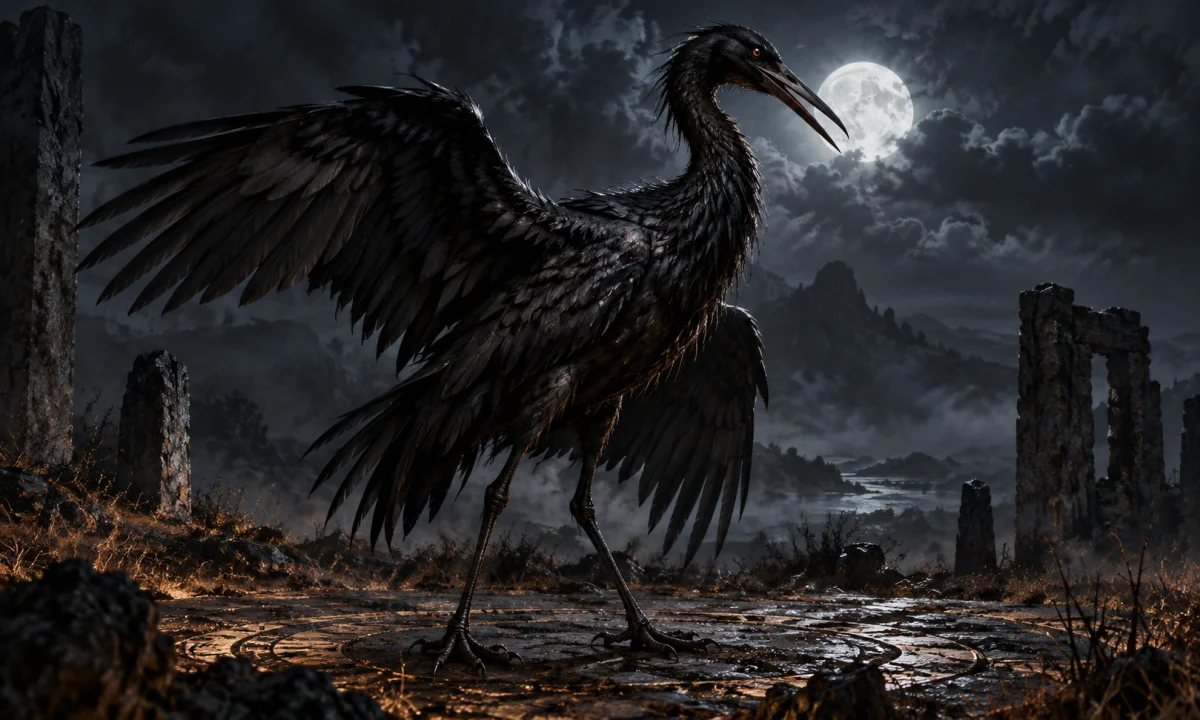
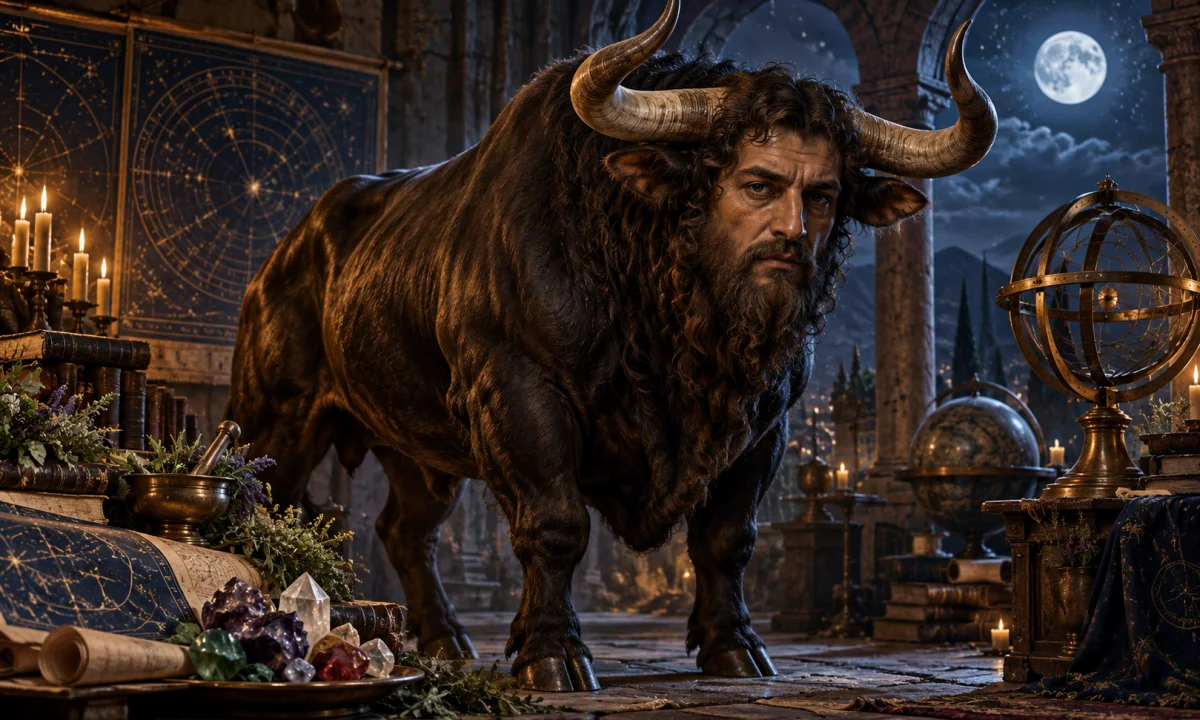
Alloces remains known among readers of ceremonial magic, occult history and demonology. Modern illustrations commonly emphasize his visual contrast between a human soldier, a horse and a lion’s face. Artists may interpret the fiery eyes and hoarse voice through dramatic armour, flames or dark fantasy settings. These creative choices are modern interpretations rather than details securely established by the early sources.
He has also appeared occasionally in role-playing games, fantasy fiction, digital media and encyclopaedic works about demons. Such adaptations may turn him into a warrior, a beast-like ruler, a teacher of forbidden knowledge or a fully developed character with motives and relationships. These portrayals belong to popular culture and should not be confused with the much shorter description in the Ars Goetia.
In the traditional material, Alloces is best understood as a goetic demon of uncertain name and early modern literary origin: a duke depicted as a lion-faced soldier on horseback, associated with astronomy, the liberal sciences and the provision of familiars. His importance lies less in a broad body of folklore than in the way grimoires transformed scattered demonological ideas into an ordered catalogue of supernatural beings.