
Aisoyimstan is a significant figure in Native American mythology, particularly among the tribes of the Pacific Northwest. This mythical being is often associated with creation stories and is considered a vital part of the spiritual and cultural landscape of the indigenous peoples in that region. The tales surrounding Aisoyimstan vary from tribe to tribe, but they share common themes of transformation, balance, and the interconnectedness of all living beings. Understanding Aisoyimstan requires exploring the rich tapestry of stories and beliefs that have been passed down through generations, each adding depth to the character and significance of this legendary figure.
Origins of Aisoyimstan
The origins of Aisoyimstan are deeply rooted in the spiritual beliefs of the Native American tribes of the Pacific Northwest. According to various legends, Aisoyimstan is often depicted as a creator figure, responsible for shaping the world and its inhabitants. Some tribes believe that Aisoyimstan emerged from the depths of the ocean, while others describe a journey from the sky to the earth. This duality highlights the importance of water and sky in the creation process, illustrating how these elements are intertwined in the stories of many indigenous peoples.
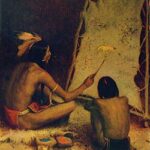 Ahmeto Lela Okya
One common theme in the stories of Aisoyimstan is the idea of transformation. Many tales depict Aisoyimstan as a being capable of changing form, which symbolizes the fluidity of life and the natural world. For example, in some narratives, Aisoyimstan transforms into an animal, a tree, or even a human, showcasing the belief that all living beings are interconnected. This ability to change forms reflects the Native American understanding of the world as a dynamic place, where change is constant and necessary for balance.
The Role of Aisoyimstan in Creation Stories
Aisoyimstan plays a crucial role in many creation stories found in Native American mythology. These stories often serve to explain the origins of the earth, the animals, and even the stars. In some versions, Aisoyimstan is said to have created the first humans from the earth, breathing life into them and teaching them how to live in harmony with nature. This aspect of the mythology emphasizes the importance of living in balance with the environment, a central tenet in many Native American cultures.
In addition to creating humans, Aisoyimstan is often credited with giving the first animals their unique traits and characteristics. For instance, some stories describe how Aisoyimstan crafted the eagle to soar high in the sky, while the deer was designed to be swift and graceful. These narratives not only explain the existence of different animals but also serve to teach important lessons about respecting and understanding the natural world.
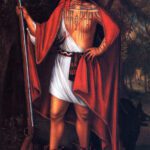 Areskoui
Symbolism of Aisoyimstan
The symbolism of Aisoyimstan is rich and multifaceted, representing various aspects of life and nature. One of the most prominent symbols associated with Aisoyimstan is the river. Rivers are often seen as sources of life, providing water for drinking, farming, and fishing. In many stories, Aisoyimstan is linked to rivers, signifying the flow of life and the importance of water in sustaining all living beings. This connection reinforces the idea that Aisoyimstan is a life-giving force, essential for the survival of both humans and animals.
Another important symbol related to Aisoyimstan is the tree. Trees are viewed as sacred in many Native American cultures, representing growth, stability, and wisdom. Aisoyimstan is often depicted as being intertwined with trees, reflecting the belief that all life is connected through the natural world. In some stories, Aisoyimstan is said to have planted the first tree, which became a home for countless creatures. This symbolism highlights the idea that Aisoyimstan is not only a creator but also a protector of the environment.
Aisoyimstan and the Natural World
The relationship between Aisoyimstan and the natural world is a recurring theme in Native American mythology. Aisoyimstan is often portrayed as a guardian of nature, ensuring that the balance between different elements is maintained. This connection emphasizes the idea that humans must respect and care for the environment, as they are all part of the same ecosystem. Many stories illustrate how Aisoyimstan teaches humans to live in harmony with nature, emphasizing the importance of sustainability and conservation.
 Wonomi
Moreover, Aisoyimstan is frequently associated with the changing seasons. In many narratives, Aisoyimstan is said to control the cycles of nature, bringing forth the spring blooms, summer warmth, autumn harvests, and winter’s rest. This portrayal reinforces the belief that nature is cyclical and that each season has its purpose. The stories encourage respect for these natural rhythms, reminding people of their dependence on the earth’s cycles for survival and well-being.
Lessons from Aisoyimstan
The stories of Aisoyimstan offer valuable lessons for both individuals and communities. One of the most prominent teachings is the importance of living in balance with nature. Aisoyimstan’s role as a creator and protector emphasizes that all living beings have a place in the world, and each must be respected. This lesson is particularly relevant in today’s context, where environmental issues are at the forefront of global discussions. By learning from Aisoyimstan’s teachings, individuals can adopt more sustainable practices and contribute to the well-being of the planet.
Another important lesson from Aisoyimstan is the value of community. Many stories illustrate how Aisoyimstan interacts with different beings, fostering relationships and promoting cooperation. This reflects the idea that communities thrive when individuals work together, share resources, and support one another. The narratives encourage people to build strong connections within their communities, highlighting that collective efforts lead to greater success and harmony.
Aisoyimstan in Modern Culture
In recent years, Aisoyimstan has gained recognition beyond traditional narratives, becoming a symbol of cultural identity for many Native American communities. The stories of Aisoyimstan are being retold in various forms, including literature, art, and performance. This resurgence of interest highlights the importance of preserving indigenous cultures and stories, ensuring that future generations understand their heritage. By incorporating Aisoyimstan into modern expressions of culture, communities can maintain a connection to their past while adapting to contemporary society.
Moreover, Aisoyimstan’s influence can be seen in environmental movements led by Native American groups. Many activists draw inspiration from Aisoyimstan’s teachings about nature and sustainability, advocating for the protection of land and resources. This modern interpretation of Aisoyimstan emphasizes the ongoing relevance of indigenous wisdom in addressing today’s environmental challenges, reminding people of the interconnectedness of all life.
Regional Variations of Aisoyimstan
While Aisoyimstan is a central figure in the mythology of many Pacific Northwest tribes, there are regional variations in how this figure is portrayed. Different tribes may have unique interpretations of Aisoyimstan’s character, role, and stories. For example, the Coast Salish people have their own distinct narratives about Aisoyimstan, focusing on specific aspects of the natural world and cultural practices that are significant to their communities. These variations enrich the overall understanding of Aisoyimstan and highlight the diversity of Native American mythology.
In contrast, tribes such as the Tlingit and Haida have their own unique stories that may not directly reference Aisoyimstan but still share similar themes of creation and transformation. This diversity illustrates how different cultures interpret the same fundamental concepts through their unique lenses, creating a rich tapestry of stories that reflect the values and beliefs of each community.
The Legacy of Aisoyimstan
The legacy of Aisoyimstan continues to resonate in the lives of Native American peoples today. The stories and teachings associated with Aisoyimstan serve as a foundation for cultural identity and spiritual beliefs. Many tribes actively work to preserve these narratives, ensuring that they are passed down through generations. This preservation is vital for maintaining cultural heritage and fostering a sense of belonging among community members.
Additionally, the legacy of Aisoyimstan extends beyond individual tribes. As a symbol of interconnectedness and respect for nature, Aisoyimstan’s teachings can inspire people from various backgrounds to appreciate and protect the environment. The stories of Aisoyimstan encourage individuals to reflect on their relationship with nature and consider the impact of their actions on the world around them. In this way, Aisoyimstan’s legacy transcends cultural boundaries, offering universal lessons about respect, balance, and harmony.
Conclusion: Aisoyimstan’s Enduring Influence
Aisoyimstan’s enduring influence in Native American mythology highlights the importance of storytelling in preserving cultural identity and teaching valuable lessons. The rich narratives surrounding Aisoyimstan continue to inspire individuals and communities, reminding them of their connection to nature and each other. As modern society faces various challenges, the wisdom embedded in the stories of Aisoyimstan serves as a guiding light, encouraging people to live in harmony with the world around them.