
Ah Ciliz is a significant figure in Maya mythology, often associated with the themes of rain, fertility, and agriculture. This deity is revered in various Mayan cultures across Central America, where the climate and agricultural practices heavily depend on seasonal rains. Ah Ciliz embodies the power of water, which is essential for crops and sustenance. The worship of Ah Ciliz reflects the deep connection that the Maya had with nature and their environment. They understood the importance of rain for their survival and prosperity, leading to the veneration of deities like Ah Ciliz.
Origins of Ah Ciliz
The origins of Ah Ciliz can be traced back to the ancient Maya civilization, which flourished in Mesoamerica for thousands of years. The Maya had a rich and complex belief system that included a pantheon of gods and goddesses. Ah Ciliz is often depicted as a benevolent figure, a bringer of life through rain. This association with water is crucial, as the Maya depended on rainfall for their agriculture. In their cosmology, water is not just a physical element; it is a life-giving force, and Ah Ciliz represents this vital aspect.
 K’awiil
Many ancient texts and codices mention Ah Ciliz, providing insights into how the Maya viewed this deity. They believed that Ah Ciliz could control the rains and, by extension, the success of their crops. In times of drought, the Maya would perform rituals and ceremonies to appease Ah Ciliz, seeking his favor to bring rain. This illustrates the deep reliance the Maya had on their gods for agricultural success and survival.
Symbolism and Attributes
Ah Ciliz is often associated with various symbols that represent his power and influence. One of the most common symbols is water, which is seen as a source of life. Water is a vital resource for all living beings, and in the context of Maya agriculture, it signifies fertility and abundance. The Maya viewed water as sacred, and Ah Ciliz, as the god of rain, embodies this sanctity. His imagery often includes elements like rain clouds and flowing water, which visually communicate his dominion over these natural phenomena.
Another important attribute of Ah Ciliz is his connection to fertility. The Maya believed that he had the power to bless the land with rich harvests and ensure the growth of crops. This aspect of Ah Ciliz’s character highlights the agricultural practices of the Maya and their dependence on favorable weather conditions. The fertility aspect also extends to human life, as the Maya viewed the cycles of nature as intertwined with human existence. Thus, Ah Ciliz is not just a rain god but a vital figure in the cycle of life.
 Acat
AcatRituals and Worship
The worship of Ah Ciliz involved various rituals and ceremonies designed to invoke his blessings. These rituals were often conducted during specific times of the year, particularly before planting seasons when rain was crucial for successful crops. The Maya would gather in sacred spaces, often near water sources, to perform these ceremonies. Offerings were made, which could include food, flowers, and other items deemed valuable to the deity. The act of offering was a way to show respect and gratitude to Ah Ciliz, seeking his favor for the upcoming agricultural season.
One of the most significant rituals associated with Ah Ciliz was the Rain Ceremony. During this ceremony, the Maya would chant prayers and perform dances to invoke the presence of Ah Ciliz. These rituals were often elaborate, involving the community and reinforcing the social bonds among the people. The ceremonies not only served a spiritual purpose but also acted as a communal event that brought people together to celebrate their culture and traditions.
Myths and Stories
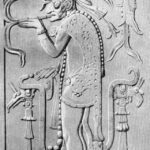 Acantun
Myths and stories about Ah Ciliz are integral to understanding his role in Maya mythology. These tales often illustrate the challenges faced by the Maya in their relationship with nature. One popular myth tells of a time when the land was barren, and the people were suffering from drought. In their desperation, they turned to Ah Ciliz for help. After performing a series of rituals, Ah Ciliz was moved by their devotion and sent rain to nourish the parched earth. This story emphasizes the belief that the gods were actively involved in the lives of the people and that their actions could directly impact human existence.
Another significant story involves Ah Ciliz battling other deities for control over the rains. In this narrative, Ah Ciliz demonstrates his strength and determination to provide for his people. The struggle symbolizes the constant fight for survival in a world where nature can be both nurturing and destructive. These myths serve to explain the unpredictable nature of weather and the importance of maintaining a harmonious relationship with the gods.
Ah Ciliz in Modern Culture
Even in modern times, the legacy of Ah Ciliz persists within the communities that identify with Maya heritage. Many contemporary Maya still honor their ancient traditions, including rituals dedicated to Ah Ciliz. These practices serve as a link to their past and a way to maintain their cultural identity. Festivals and ceremonies are held to celebrate the arrival of the rainy season, often featuring traditional music, dance, and food. These events not only pay homage to Ah Ciliz but also reinforce community bonds and cultural pride.
In addition, the stories and teachings associated with Ah Ciliz continue to be passed down through generations. Young Maya are taught the importance of respecting nature and understanding the cycles of life, reflecting the values embodied by Ah Ciliz. This cultural transmission ensures that the significance of Ah Ciliz remains relevant in a rapidly changing world, allowing future generations to appreciate their heritage.
Ah Ciliz and the Environment
The figure of Ah Ciliz is particularly relevant in discussions about environmental sustainability and climate change. As a deity associated with rain and fertility, he symbolizes the vital role that water plays in ecosystems. The Maya’s reverence for Ah Ciliz reflects a broader understanding of the interconnectedness of life and the environment. In modern contexts, this perspective is crucial as communities face the challenges posed by climate change and water scarcity.
By looking back at the teachings and practices associated with Ah Ciliz, contemporary societies can learn valuable lessons about the importance of sustainable practices and environmental stewardship. The Maya’s holistic approach to agriculture and their deep respect for natural resources can inform current efforts to create more sustainable agricultural systems that honor the earth.
Ah Ciliz stands as a testament to the rich mythology and cultural heritage of the Maya civilization. His influence can be seen in ancient rituals, modern practices, and the enduring respect for nature that characterizes the Maya worldview. Through the worship of Ah Ciliz, the Maya expressed their dependence on the environment and their desire for harmony with the natural world. Today, as we confront global environmental challenges, the lessons from Ah Ciliz and the Maya tradition remind us of the importance of respecting and nurturing our planet.