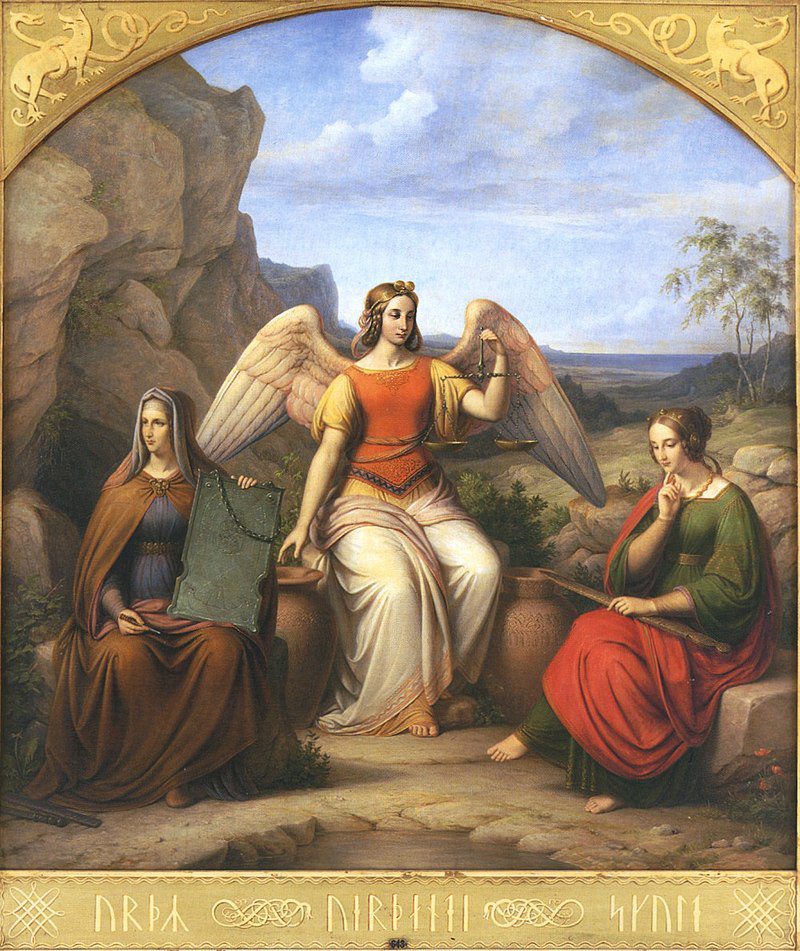
In Norse mythology, Verdandi is one of the three Norns, who are the powerful female beings responsible for determining the fate of gods and humans alike. The Norns are often compared to the Fates in Greek mythology, as they weave the threads of destiny for all living beings. Verdandi represents the present moment and is often associated with the concept of becoming or existence. Alongside her sisters, Urd and Skuld, Verdandi plays a crucial role in the intricate tapestry of fate, which is a central theme in Norse cosmology. In this article, we will explore the significance of Verdandi, her relationship with her sisters, and the cultural impact of these mythological figures.
Understanding the Norns
The Norns are typically depicted as three women who reside at the base of Yggdrasil, the great tree that connects the nine worlds in Norse mythology. Each of the Norns has a distinct role, representing different aspects of time. Urd, the eldest, embodies the past and is often associated with wisdom and memory. Skuld, the youngest, represents the future and is connected to potential and destiny. Verdandi, situated between the two, symbolizes the present, where choices and actions take place. This triad of Norns emphasizes the cyclical nature of time and existence in Norse thought.
 Ve
VeAccording to myth, the Norns visit the well of Urd, which is located beneath Yggdrasil, to draw water and sprinkle it over the roots of the tree. This act symbolizes the nurturing of life and fate, as the water from the well is said to contain the knowledge of the past, present, and future. The Norns are also believed to carve the fates of individuals into the trunk of Yggdrasil, illustrating the idea that fate is both predetermined and shaped by individual actions.
The Role of Verdandi
As the Norn of the present, Verdandi plays a pivotal role in the lives of both gods and mortals. Her name itself is derived from the Old Norse word “verda,” which means “to become” or “to be.” This highlights her connection to the idea of transformation and action. While Urd provides the foundation of experience and Skuld offers the vision of what is to come, Verdandi embodies the choices made in the here and now. She reminds us that every moment is a chance to shape our destiny.
In many ways, Verdandi serves as a bridge between the past and the future. Her presence emphasizes the importance of living in the moment and making decisions that reflect our true selves. The actions taken in the present have consequences that ripple through time, affecting both our immediate circumstances and the broader tapestry of existence. Verdandi’s influence encourages individuals to recognize their agency in shaping their own fates.
 Vanir
VanirVerdandi and the Concept of Fate
Fate in Norse mythology is often viewed as a complex interplay of predetermined outcomes and free will. The Norns, including Verdandi, represent this duality by embodying both the inevitability of fate and the power of individual choice. While some aspects of life are beyond human control, the choices made in the present can alter the course of one’s destiny. Verdandi’s role is particularly significant in this context, as she emphasizes the idea that the present moment is where individuals have the most power to effect change.
The ancient Norse believed that fate was not a rigid structure but rather a dynamic process that could be influenced by personal actions and decisions. This belief is reflected in the stories of various heroes and gods who faced challenges and made choices that ultimately shaped their destinies. Verdandi’s influence serves as a reminder that even in the face of uncertainty, individuals have the ability to navigate their paths through conscious decision-making.
The Interconnectedness of Time
The concept of time in Norse mythology is not linear but rather cyclical. The past, present, and future are intertwined, with each moment affecting the others. Verdandi’s position as the Norn of the present highlights the importance of recognizing this interconnectedness. Decisions made in the present can echo through time, influencing both past experiences and future outcomes. This cyclical understanding of time encourages individuals to reflect on their choices and the broader implications of their actions.
 Vanaheim
- Past: Influenced by experiences and decisions made by individuals.
- Present: The moment where choices are made and actions taken.
- Future: Shaped by the consequences of present actions.
In this way, Verdandi serves as a guide for individuals seeking to navigate the complexities of life. By understanding the significance of the present moment, one can make choices that align with their values and aspirations. The teachings of Verdandi encourage mindfulness and intentionality, promoting a deeper awareness of how each action contributes to the unfolding of one’s destiny.
Cultural Significance of Verdandi
The figure of Verdandi has had a lasting impact on various aspects of culture, particularly in literature, art, and modern interpretations of Norse mythology. Her representation of the present moment resonates with contemporary themes of mindfulness and personal agency. As people today seek to understand their place in the world, Verdandi serves as a powerful symbol of the importance of living in the now and taking responsibility for one’s actions.
In literature, Verdandi and her sisters are often depicted as complex characters who embody the multifaceted nature of fate. They challenge the notion of a predetermined destiny by showcasing the interplay between choice and consequence. This has led to a rich tradition of storytelling that explores themes of free will, responsibility, and the significance of the present moment.
Modern Interpretations
In modern popular culture, Verdandi has found a place in various forms of media, from books to movies and video games. Her character often represents the idea of empowerment and the ability to shape one’s own fate. Many contemporary interpretations draw on the ancient myths to create narratives that resonate with current audiences, emphasizing the relevance of these timeless themes.
- Literature: Many authors incorporate Verdandi into their stories as a symbol of agency and transformation.
- Film: Movies that explore themes of fate often reference the Norns, highlighting their influence on character development.
- Video Games: Interactive narratives frequently allow players to make choices that affect the outcome of the story, mirroring Verdandi’s role in shaping destiny.
This modern resurgence of interest in Norse mythology has led to a deeper appreciation for the complexities of the Norns, particularly Verdandi. As people engage with these ancient stories, they find relevance in their own lives, discovering insights into the nature of choice, consequence, and the power of the present moment.
Verdandi in Art and Symbolism
The artistic representation of Verdandi has evolved over time, reflecting changing cultural values and interpretations of her significance. In many traditional artworks, Verdandi is depicted alongside her sisters, each representing different aspects of time. These depictions often highlight the dynamic relationship between the Norns and their roles in shaping fate.
Symbolically, Verdandi is associated with various elements that represent growth, transformation, and the flow of time. For example, the use of water in artistic representations often signifies the nurturing aspect of the present moment, where choices are made and paths are forged. This symbolism emphasizes the importance of being present and aware of the impact of one’s decisions.
Influence on Modern Art
In contemporary art, Verdandi continues to inspire artists who seek to explore themes of time, fate, and personal agency. Many modern works draw on the imagery of the Norns to convey messages about the importance of the present moment and the interconnectedness of all things. Artists often use a variety of mediums, including painting, sculpture, and digital art, to express these ideas in innovative ways.
- Painting: Many artists create vibrant representations of Verdandi, focusing on her role in shaping destiny.
- Sculpture: Three-dimensional interpretations of the Norns highlight their interconnectedness and the flow of time.
- Digital Art: Modern technology allows for new interpretations of Verdandi, incorporating elements of animation and interactivity.
Through these artistic expressions, Verdandi’s legacy continues to resonate, encouraging individuals to reflect on their own lives and the choices they make. The enduring fascination with the Norns speaks to a universal desire to understand the complexities of fate and the significance of living in the present.
Verdandi in Literature and Poetry
Literature has long served as a medium for exploring the themes associated with Verdandi and the Norns. Many poets and writers have drawn inspiration from these mythological figures to delve into the nature of fate, time, and human experience. The portrayal of Verdandi in literature often emphasizes her role as a guide for navigating the complexities of existence.
In poetry, Verdandi is frequently depicted as a symbol of the fleeting nature of time and the importance of seizing the present moment. Poets often explore the tension between past experiences and future possibilities, highlighting the choices that define one’s journey. This literary tradition reflects the broader cultural fascination with the concept of fate and the human condition.
Notable Works
Several notable literary works feature references to Verdandi and the Norns, showcasing their influence on storytelling across cultures. These works often examine the interplay of fate and free will, illustrating how characters grapple with their choices and the consequences that arise from them.
- Epic Poetry: Ancient epics often incorporate themes of fate and the Norns, reflecting the belief in the interconnectedness of time.
- Modern Novels: Contemporary authors frequently draw on Norse mythology to explore themes of identity, choice, and destiny.
- Poetry Collections: Many poets have dedicated entire collections to the exploration of fate, weaving in references to Verdandi and her sisters.
Through these literary explorations, Verdandi’s significance continues to evolve, offering new insights into the human experience and the complexities of fate. As readers engage with these narratives, they are invited to reflect on their own lives and the choices that shape their destinies.
Verdandi and Spirituality
The figure of Verdandi holds a special place in the spiritual practices of those who draw inspiration from Norse mythology. Many modern practitioners of paganism and Heathenry look to the Norns as symbols of wisdom and guidance in their spiritual journeys. Verdandi, in particular, is often invoked during rituals and meditations that focus on the present moment and the importance of making conscious choices.
Spiritual practitioners emphasize the need for mindfulness and awareness in their daily lives, drawing on Verdandi’s teachings to cultivate a deeper understanding of their own paths. By connecting with the energy of the present, individuals can gain clarity about their intentions and desires, allowing them to navigate their lives with purpose and intention.
Rituals and Practices
Many spiritual practices incorporate elements that resonate with the themes associated with Verdandi. These rituals often emphasize the significance of the present moment and the choices that shape one’s life. Some common practices include:
- Mindfulness Meditation: Practitioners focus on being present and aware of their thoughts and feelings, allowing them to connect with Verdandi’s energy.
- Journaling: Reflecting on daily choices and experiences can help individuals gain insights into their paths and intentions.
- Ritual Offerings: Some practitioners create altars or offerings dedicated to the Norns, honoring their influence on fate and existence.
Through these practices, individuals seek to cultivate a deeper connection with Verdandi and the lessons she embodies. By embracing the present moment and making conscious choices, practitioners aim to align their lives with their true values and aspirations.
The Legacy of Verdandi
The legacy of Verdandi extends far beyond the realm of mythology, influencing various aspects of culture, spirituality, and personal development. Her representation of the present moment serves as a powerful reminder of the importance of being aware of one’s choices and their consequences. As individuals navigate the complexities of life, Verdandi’s teachings continue to resonate, encouraging a deeper understanding of fate and the power of personal agency.
In today’s fast-paced world, where distractions abound, Verdandi’s message is more relevant than ever. The emphasis on living in the present and making conscious choices can provide individuals with a sense of purpose and direction. By embracing the teachings of Verdandi, people can cultivate a deeper awareness of their lives and the impact of their decisions on their personal journeys.
Continuing Relevance
The relevance of Verdandi and the Norns in contemporary society reflects a growing interest in the exploration of fate, time, and personal agency. As people seek to understand their place in the world, the teachings of these mythological figures offer valuable insights into the nature of existence and the power of choice.
- Personal Growth: Individuals are increasingly drawn to the idea of taking responsibility for their lives and making choices that align with their values.
- Mindfulness Practices: The rise of mindfulness and meditation reflects a cultural shift towards being present and aware of one’s experiences.
- Mythological Studies: The ongoing interest in Norse mythology highlights the timeless themes that resonate with modern audiences.
As the legacy of Verdandi continues to unfold, her teachings inspire individuals to reflect on their lives and embrace the power of the present moment. By recognizing the interconnectedness of time and the significance of their choices, people can navigate their paths with intention and purpose.