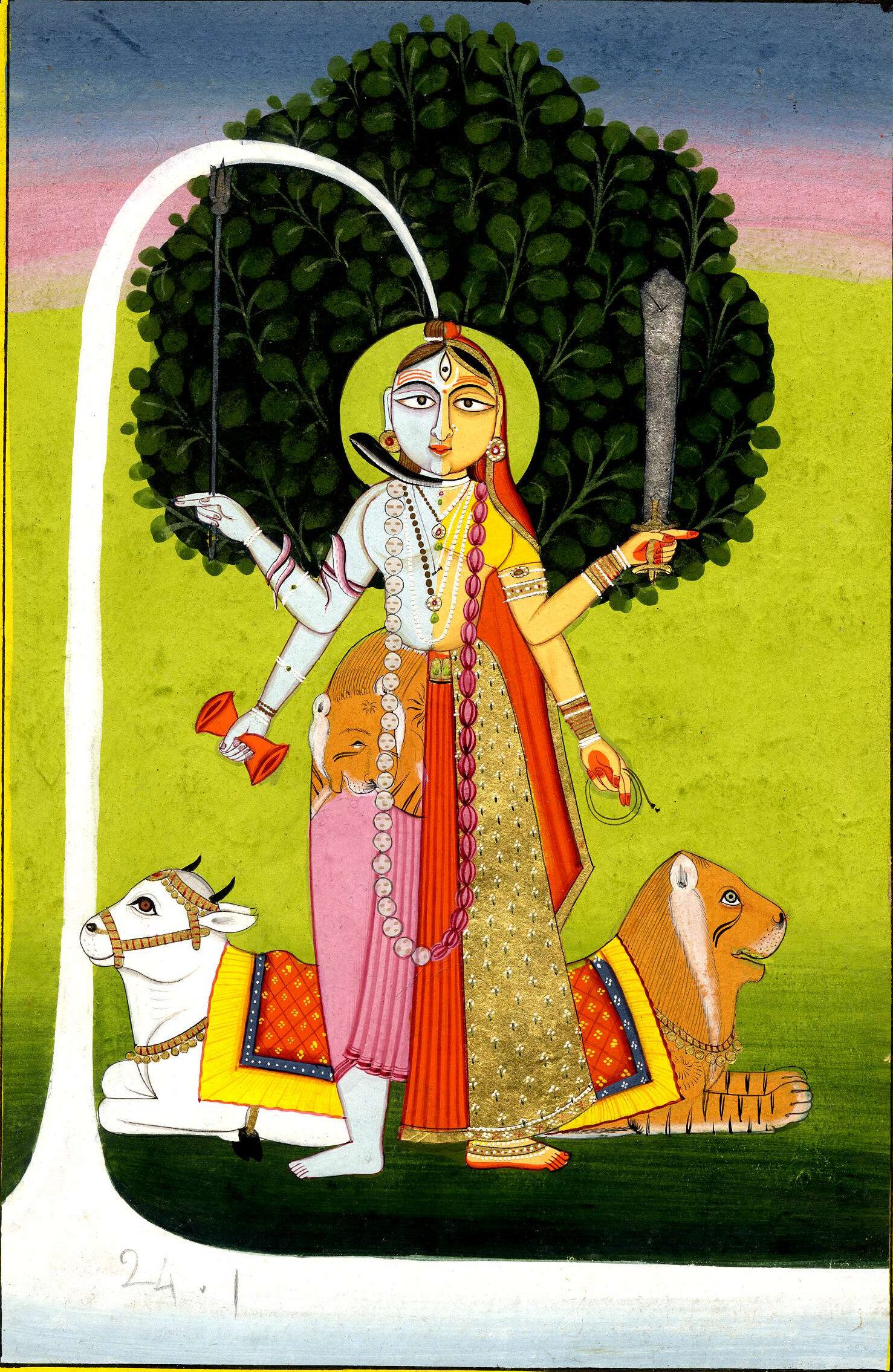
In Hindu mythology, the concept of Ardhanarishvara is a fascinating representation of the duality of existence. The term itself is derived from Sanskrit, where ‘Ardha’ means half and ‘Nari’ means woman, while ‘Ishvara’ translates to god. Thus, Ardhanarishvara symbolizes the amalgamation of the masculine and feminine principles, specifically the deities Shiva and Parvati. This unique form embodies the idea that both male and female energies are essential for the balance of the universe. The depiction of Ardhanarishvara serves as a profound reminder of the interconnectedness of all beings, emphasizing that opposites coexist and are integral to life.
Symbolism of Ardhanarishvara
The imagery of Ardhanarishvara is rich in symbolism. The figure is typically portrayed as a single entity with one half representing Shiva and the other half representing Parvati. This duality showcases the balance between masculinity and femininity. The right side, which is Shiva, is often depicted with a trident and a snake, symbolizing power and asceticism. In contrast, the left side, representing Parvati, is adorned with jewelry and holds a mirror or a lotus, symbolizing beauty and nurturing. This dual representation serves to illustrate that both aspects are equally important in the cosmic order.
 Aranyani
Moreover, Ardhanarishvara’s body often has a color gradient, further emphasizing the merging of two identities into one. The right half is usually depicted in darker shades, representing the ascetic nature of Shiva, while the left half is in lighter shades, representing the grace and compassion of Parvati. This visual representation is a powerful reminder that within every individual lies both masculine and feminine energies, and embracing this duality can lead to a more harmonious existence.
Philosophical Implications
The philosophy behind Ardhanarishvara extends beyond mere representation. It touches on the fundamental principles of duality in life. In many ways, this deity challenges the conventional notions of gender roles and identity. By embodying both Shiva and Parvati, Ardhanarishvara signifies that gender is not a strict binary but rather a spectrum where individuals can possess qualities of both masculinity and femininity. This perspective encourages a more inclusive understanding of gender identity, allowing people to embrace their true selves without the constraints of societal expectations.
Furthermore, Ardhanarishvara represents the unity of opposites. In many philosophical traditions, opposites are seen as conflicting forces. However, the depiction of Ardhanarishvara illustrates that these opposites can coexist in harmony. This notion can be applied to various aspects of life, such as good and evil, creation and destruction, and light and darkness. By recognizing the value of both sides, individuals can cultivate a deeper understanding of their experiences and relationships.
 Apsaras
Mythological Stories
There are several captivating stories in Hindu mythology that feature Ardhanarishvara, each highlighting different aspects of this divine union. One such story involves the creation of the universe. According to the myth, the universe was in chaos, and the gods prayed to Shiva for help. In response, Shiva merged with Parvati to form Ardhanarishvara, symbolizing the balance needed to restore order. This act of merging not only created harmony in the cosmos but also demonstrated the importance of collaboration and unity in overcoming challenges.
Another popular tale revolves around the sage Vishwamitra and his quest for power. In his pursuit, he performed severe penance to please Shiva. However, Shiva was unmoved by his efforts. Frustrated, Vishwamitra decided to disrupt the balance of nature by challenging the divine couple. In response, Ardhanarishvara appeared, showcasing the futility of his actions. This story serves as a reminder that seeking power without regard for harmony can lead to dire consequences.
 Anuradha
Iconography and Worship
The iconography of Ardhanarishvara is rich and varied, with different regions of India depicting the deity in unique ways. In many temples, Ardhanarishvara is shown standing upright, symbolizing strength and stability. The figure often has four arms, where each arm holds significant symbols: a bell, a trident, a lotus, and a mirror. These items represent different aspects of life, including power, knowledge, beauty, and spirituality. Devotees often visit temples dedicated to Ardhanarishvara to seek blessings for marital harmony and spiritual growth.
Worship of Ardhanarishvara often includes rituals that honor both Shiva and Parvati. Offerings of flowers, fruits, and incense are common, as these items symbolize purity and devotion. Festivals celebrating Ardhanarishvara usually involve elaborate processions and dances, showcasing the joy and unity represented by this divine form. During these celebrations, devotees often dress in traditional attire that reflects both masculine and feminine qualities, further emphasizing the theme of duality.
Ardhanarishvara in Literature and Arts
The figure of Ardhanarishvara has inspired countless works of art and literature throughout history. In ancient texts, poets and scholars have explored the themes of duality and unity through the lens of Ardhanarishvara. The Mahabharata and the Puranas contain references to this deity, illustrating its significance in the cultural consciousness of Hindu society. These texts often delve into the philosophical implications of Ardhanarishvara, encouraging readers to reflect on the nature of existence and the importance of balance.
In visual arts, Ardhanarishvara has been a popular subject for sculptors and painters. Temples across India feature intricate carvings and statues depicting this divine form. The artistry involved in creating these representations highlights the skill and creativity of artisans, as they strive to capture the essence of the deity. Many modern artists continue to draw inspiration from Ardhanarishvara, using various mediums to explore themes of gender, identity, and duality.
Modern Interpretations
In contemporary society, the figure of Ardhanarishvara has gained renewed relevance, especially in discussions surrounding gender identity and equality. As the world becomes increasingly aware of the fluidity of gender, Ardhanarishvara serves as a powerful symbol for those advocating for gender rights and equality. Activists often reference this deity to illustrate the importance of embracing both masculine and feminine qualities, challenging the traditional norms that have long dictated societal roles.
Moreover, Ardhanarishvara is often invoked in conversations about non-binary identities. The merging of Shiva and Parvati into a single entity reflects the experiences of many individuals who identify outside the binary framework of male and female. This representation fosters a greater understanding and acceptance of diverse gender identities, encouraging a more inclusive society where everyone can express their true selves without fear of discrimination.
Through its rich symbolism, mythological stories, and artistic representations, Ardhanarishvara stands as a profound reminder of the importance of balance and unity in the universe. As society continues to evolve, the lessons embodied in this deity remain relevant, urging individuals to embrace the duality within themselves and recognize the interconnectedness of all beings. The legacy of Ardhanarishvara serves not only as a celebration of diversity but also as a call to action for a more inclusive and harmonious world.