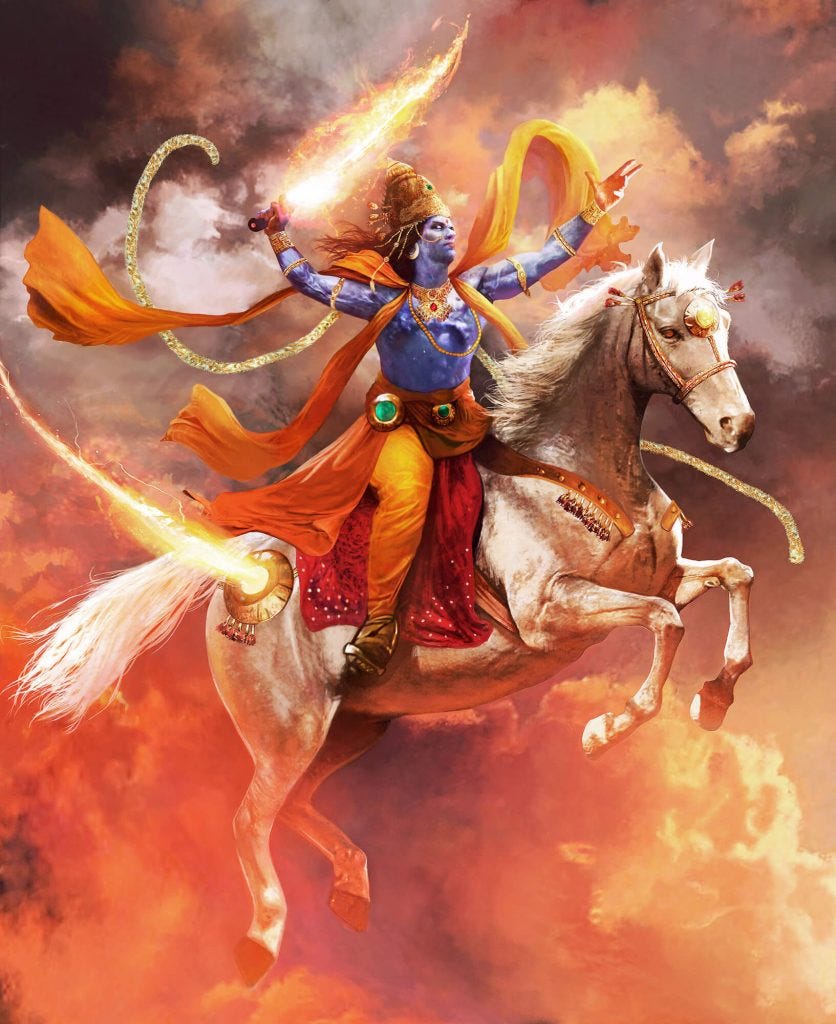
Kalki is a significant figure in Hindu mythology, representing the future avatar of the god Vishnu. In Hindu beliefs, Vishnu is known for incarnating in various forms to restore cosmic order whenever it is threatened. Kalki is anticipated to appear at the end of the current age, known as Kali Yuga, which is characterized by strife, chaos, and moral decay. The concept of Kalki serves as a beacon of hope for many, symbolizing the eventual triumph of good over evil. As we explore the story of Kalki, we will delve into his origins, characteristics, and the prophecies surrounding his arrival.
Origins of Kalki
The name “Kalki” derives from the Sanskrit word “Kalki,” which means “the one who is destined to come.” According to Hindu scriptures, Kalki is prophesied to be born in the village of Shambhala to a Brahmin family. This lineage is essential, as Brahmins are traditionally seen as the priestly class responsible for maintaining spiritual knowledge and rituals. The stories surrounding Kalki’s birth highlight the importance of divine intervention in times of dire need. The world, plagued by corruption and moral decay, will call upon Kalki to restore righteousness.
 Kali
KaliKalki’s appearance is foretold in various texts, including the Puranas, which are ancient Hindu scriptures that narrate the history of the universe and its deities. The Bhagavata Purana and the Vishnu Purana are two primary sources that detail the prophecies of Kalki. These texts describe him as a warrior on a magnificent white horse, wielding a sword that shines like a thousand suns. This imagery emphasizes his role as a fierce protector of dharma (righteousness) and his commitment to eradicating evil.
Kalki’s Characteristics
Kalki is often depicted as a youthful and powerful figure, embodying the ideal qualities of a hero. He is described as having a radiant complexion, symbolizing purity and divinity. His physical appearance is complemented by his exceptional strength and martial skills, which he will use to combat the forces of evil. Kalki’s character reflects the ultimate hero in Hindu mythology, one who is both compassionate and fierce when necessary. His arrival is expected to be accompanied by various supernatural events that signal the end of the Kali Yuga.
In addition to his physical attributes, Kalki is characterized by his wisdom and knowledge. He is seen as the embodiment of divine intelligence, capable of discerning right from wrong. This wisdom is crucial in guiding humanity back to the path of righteousness. As a leader, Kalki will inspire people to embrace virtues such as honesty, kindness, and compassion. His teachings are anticipated to restore faith in dharma and encourage a return to spiritual practices that have been neglected during the Kali Yuga.
 Kâlanemi
The Prophecy of Kalki
The prophecy surrounding Kalki’s arrival is an integral part of Hindu eschatology, which deals with the end of the world and the ultimate destiny of humanity. It is believed that Kalki will appear when the world has descended into chaos, with rampant corruption, greed, and violence dominating society. The signs of his arrival are said to include widespread suffering, moral decline, and the loss of spiritual values. These indicators serve as a reminder for people to remain vigilant and adhere to their spiritual practices.
- Corruption and Violence: The prevalence of immoral behavior and violence will reach a peak, creating an urgent need for divine intervention.
- Loss of Dharma: Traditional values and ethical principles will be forgotten, leading to a society that is disconnected from spiritual teachings.
- Natural Disasters: The earth will experience turmoil, including earthquakes, floods, and other natural calamities, signaling the impending arrival of Kalki.
As the prophecy unfolds, it is said that Kalki will emerge riding a white horse, symbolizing purity and strength. His arrival will be a clarion call for humanity to awaken from its slumber and reclaim its spiritual heritage. This moment is anticipated to be a time of reckoning, where the forces of good will clash with the forces of evil, ultimately leading to a new era of peace and prosperity.
Kalki in Popular Culture
The figure of Kalki has transcended religious texts and has found its way into popular culture in various forms. His story has inspired countless works of art, literature, and cinema. In many interpretations, Kalki is depicted as a modern-day hero, embodying the struggle against injustice and oppression. This adaptation of his character resonates with audiences who seek narratives of hope and redemption in contemporary society.
 Katavul
In Indian cinema, Kalki’s character has been portrayed in various films that explore themes of good versus evil. These films often emphasize the moral dilemmas faced by individuals in a corrupt world and highlight the importance of standing up for righteousness. The visual representation of Kalki, complete with his horse and sword, captures the imagination of viewers, making him a symbol of resistance against tyranny.
The Significance of Kalki in Hinduism
Kalki holds a unique place in Hinduism as the harbinger of change and renewal. His anticipated arrival signifies the cyclical nature of time in Hindu philosophy, where the universe undergoes periods of creation, preservation, and destruction. Each avatar of Vishnu serves a specific purpose in maintaining cosmic order, and Kalki’s role is particularly significant as it represents the restoration of dharma at a time when it is most needed.
Moreover, the figure of Kalki serves as a reminder of the potential for transformation within humanity. The belief in Kalki encourages individuals to reflect on their actions and strive for personal growth. It instills a sense of responsibility to uphold ethical values and contribute positively to society. By embodying the ideals of Kalki, people are motivated to engage in righteous actions and work towards a better future.
Comparative Analysis with Other Mythologies
Kalki’s narrative shares similarities with other messianic figures found in various cultures around the world. For instance, the concept of a savior who arrives during times of crisis is a common theme in many religions. In Christianity, the figure of Jesus Christ is seen as a savior who brings hope and redemption to humanity. Similarly, in Islamic eschatology, the Mahdi is expected to appear and restore justice and righteousness before the Day of Judgment.
These comparisons highlight a universal human desire for salvation and the restoration of moral order. The stories of Kalki, Jesus, and the Mahdi reflect the hope that, despite the challenges faced in the world, a divine intervention will occur to set things right. Such narratives resonate with individuals across cultures, emphasizing the shared values of justice, compassion, and the triumph of good over evil.
Rituals and Practices Associated with Kalki
In Hinduism, the belief in Kalki has led to the development of various rituals and practices aimed at invoking his blessings. Devotees often engage in prayers and chants that express their longing for divine intervention in troubled times. These practices are intended to purify the mind and spirit, aligning oneself with the qualities that Kalki embodies.
- Prayer and Meditation: Regular prayer and meditation are encouraged to cultivate inner peace and strengthen one’s connection to the divine.
- Ritual Offerings: Devotees may make offerings at temples dedicated to Vishnu, seeking blessings for protection and guidance.
- Community Service: Engaging in acts of kindness and service to others is seen as a way to embody the values that Kalki represents.
These rituals not only serve to honor Kalki but also foster a sense of community among practitioners. They provide a framework for individuals to come together, share their beliefs, and support one another in their spiritual journeys. Through these practices, devotees hope to create a more harmonious world, paving the way for the eventual arrival of Kalki.
The Symbolism of Kalki
The symbolism associated with Kalki is rich and multifaceted. As a figure representing the end of the Kali Yuga, Kalki embodies the idea of renewal and rebirth. His arrival signifies the opportunity for humanity to shed its negative traits and embrace a more virtuous way of life. This theme of transformation is central to many spiritual traditions, emphasizing the potential for change within each individual.
Kalki’s white horse symbolizes purity and the swift arrival of justice. The horse’s speed signifies the urgency of restoring balance in a world that has lost its way. Furthermore, the sword that Kalki wields represents the cutting away of ignorance and evil, highlighting the need for decisive action in the face of wrongdoing. This imagery serves as a powerful reminder of the importance of standing up for what is right and just.
Kalki and Environmental Concerns
In recent years, the narrative of Kalki has taken on new dimensions, particularly concerning environmental issues. As the world grapples with climate change, pollution, and other ecological crises, the idea of Kalki as a protector of the earth has gained traction. Many contemporary interpretations frame Kalki as a figure who will not only restore moral order but also address the urgent need for environmental stewardship.
This perspective encourages individuals to take responsibility for their actions and their impact on the planet. By embodying the qualities of Kalki, people are inspired to engage in sustainable practices and advocate for the protection of natural resources. The symbolism of Kalki can serve as a catalyst for change, urging society to prioritize the well-being of the earth alongside spiritual and moral renewal.
Kalki in Modern Spirituality
The concept of Kalki has found a place in modern spiritual movements, where individuals seek to connect with deeper truths and explore the potential for personal transformation. Many contemporary spiritual leaders draw inspiration from the figure of Kalki, emphasizing the importance of inner work and self-realization. This approach encourages individuals to embody the qualities of Kalki in their daily lives, fostering a sense of purpose and connection to the greater whole.
In this context, Kalki is seen not just as a distant savior but as an archetype that resides within each person. The belief that one can strive for purity, wisdom, and righteousness aligns with the goals of many modern spiritual practices. By recognizing the potential for divine qualities within themselves, individuals are empowered to make positive changes in their lives and contribute to the collective awakening of humanity.
The figure of Kalki serves as a powerful symbol in Hindu mythology, representing hope, renewal, and the eternal struggle between good and evil. His anticipated arrival at the end of the Kali Yuga is a reminder of the cyclical nature of existence and the potential for transformation within humanity. As we explore the narratives surrounding Kalki, we find valuable lessons about personal responsibility, moral integrity, and the importance of spiritual practice. Whether through ancient texts or modern interpretations, the story of Kalki continues to inspire individuals to strive for a better world.