
In Melanesian mythology, Goga is a significant figure that embodies the rich cultural beliefs and traditions of the region. This character is often associated with various elements of nature and the spiritual world. Goga represents the interconnectedness of life and the forces that govern it. In many stories, Goga is depicted as a guardian or protector, emphasizing the importance of harmony between humans and the natural world. The tales surrounding Goga serve as a means of passing down knowledge and moral lessons from one generation to another.
Origins of Goga
The origins of Goga can be traced back to ancient stories that have been told for centuries. These tales often vary between different islands and communities in Melanesia, reflecting the diverse cultures within the region. In many narratives, Goga is said to have emerged from the sea, symbolizing the deep connection between the people and the ocean. The sea is a source of life, providing food and resources, and Goga’s emergence signifies the beginning of a relationship between humanity and nature.
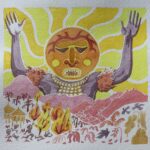 Dudugera
According to some legends, Goga was born during a time of great turmoil when the natural balance was disrupted. The stories suggest that Goga was created to restore harmony and order. This narrative serves as a reminder of the importance of respecting nature and maintaining balance in our lives. The legends of Goga not only highlight the character’s significance but also reflect the values and beliefs of the Melanesian people.
Characteristics of Goga
Goga is often portrayed with distinct characteristics that emphasize its role as a protector and guide. One of the most notable traits of Goga is its ability to communicate with both humans and animals. This communication signifies the bond that exists between all living beings. Goga is also depicted as possessing great wisdom, allowing it to offer guidance to those in need. This wisdom is often shared through stories, proverbs, and teachings that are passed down through generations.
In addition to wisdom, Goga is frequently associated with strength and courage. Many stories describe Goga facing formidable challenges and adversaries, showcasing its bravery in the face of danger. This aspect of Goga’s character serves as an inspiration for the people, encouraging them to be courageous in their own lives. The combination of wisdom, strength, and communication makes Goga a multifaceted figure in Melanesian mythology.
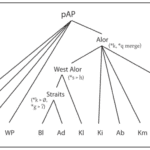 Diwa-zib
Goga in Folklore
The folklore surrounding Goga is rich and varied, with countless stories illustrating its adventures and teachings. One popular tale tells of Goga’s journey to rescue a village from a great flood. In this story, Goga uses its powers to calm the raging waters and protect the villagers. This tale not only highlights Goga’s role as a protector but also emphasizes the importance of community and cooperation during times of crisis.
Another significant story involves Goga teaching the villagers how to fish sustainably. In this narrative, Goga shows the people how to respect the ocean and its resources, ensuring that they do not deplete the fish population. This lesson is crucial, as it reflects the importance of environmental stewardship and the need to live in harmony with nature. Such stories serve as both entertainment and educational tools, reinforcing cultural values and beliefs.
Goga and Nature
The relationship between Goga and nature is a central theme in Melanesian mythology. Goga is often depicted as a guardian of the natural world, protecting forests, rivers, and oceans. This connection underscores the belief that all elements of nature are interlinked and must be respected. In many stories, Goga is shown interacting with animals and plants, highlighting the importance of biodiversity and ecological balance.
 Demas
DemasAdditionally, Goga’s influence can be seen in various natural phenomena. For instance, some communities believe that changes in weather patterns or the behavior of animals are signs of Goga’s presence. These beliefs foster a sense of reverence for the environment and encourage people to pay attention to the signs that nature provides. By acknowledging Goga’s role in nature, the Melanesian people cultivate a deep appreciation for their surroundings.
Rituals and Celebrations
In many Melanesian cultures, Goga is honored through various rituals and celebrations. These events often involve storytelling, music, and dance, allowing the community to come together and celebrate their heritage. During these gatherings, tales of Goga’s adventures are shared, reinforcing the lessons and values associated with the character.
Some communities hold annual festivals dedicated to Goga, where offerings are made to honor its spirit. These offerings may include food, flowers, or crafted items that symbolize gratitude and respect. Such rituals not only strengthen community bonds but also serve as a reminder of the importance of maintaining a harmonious relationship with nature.
Modern Interpretations of Goga
As Melanesian societies evolve, so do the interpretations of Goga and its significance. In contemporary times, Goga is often seen as a symbol of resilience and adaptability. Many people draw inspiration from Goga’s stories, applying the lessons learned to modern challenges such as environmental issues and community development. The character of Goga serves as a reminder of the importance of cultural identity and the need to preserve traditional knowledge.
Furthermore, Goga has found its way into various forms of art, literature, and performance. Artists and storytellers continue to explore Goga’s character, using it as a vehicle to express contemporary issues and experiences. This blending of tradition and modernity allows for a dynamic understanding of Goga, ensuring that its legacy remains relevant in today’s world.
Goga and Environmental Stewardship
The teachings associated with Goga are particularly relevant in discussions about environmental stewardship. As the world faces significant ecological challenges, the stories of Goga emphasize the importance of respecting and protecting the environment. Many of Goga’s tales highlight sustainable practices and the need for balance in nature.
In recent years, there has been a growing movement within Melanesian communities to revive traditional ecological knowledge, often inspired by the principles embodied by Goga. This revival focuses on sustainable fishing, agriculture, and conservation practices that honor the land and sea. By looking to Goga as a guiding figure, communities are working to ensure a healthier planet for future generations.
Goga in Education
Education plays a crucial role in keeping the stories and teachings of Goga alive. Many schools in Melanesia incorporate traditional stories into their curricula, using Goga’s tales to teach students about cultural values and environmental awareness. By integrating these narratives into education, children learn about their heritage and the importance of preserving their natural surroundings.
Furthermore, educators often use Goga’s stories to promote critical thinking and creativity among students. By analyzing the lessons within the tales, children are encouraged to reflect on their own lives and the choices they make. This approach not only fosters a sense of cultural pride but also empowers the next generation to become stewards of their environment.
Conclusion: The Legacy of Goga
The legacy of Goga continues to thrive in Melanesian culture, serving as a symbol of connection to nature, wisdom, and community. As the world changes, the teachings and stories surrounding Goga remain relevant, providing guidance and inspiration for future generations. Through rituals, education, and modern interpretations, the spirit of Goga lives on, reminding us of the importance of harmony between humanity and the natural world.