The world of Slavic mythology is rich and diverse, filled with various deities, spirits, and mythical creatures. One of the lesser-known figures in this fascinating realm is the Polevik. This spirit is often associated with the fields and agricultural lands, embodying the essence of the rural life in Slavic culture. The Polevik is a guardian of the harvest, ensuring that crops grow well and that farmers are blessed with a bountiful yield. This article will delve into the many aspects of the Polevik, exploring its origins, characteristics, and significance in Slavic folklore.

Origins of the Polevik
The origins of the Polevik can be traced back to ancient Slavic beliefs about nature and the environment. In early agricultural societies, people relied heavily on the land for their survival. As a result, they personified various elements of nature, creating deities and spirits to explain the phenomena they observed. The Polevik, as a spirit of the fields, emerged from these beliefs, representing the vital connection between humans and the earth. The name “Polevik” itself derives from the word “pole,” meaning “field” in many Slavic languages, indicating its close association with agriculture.
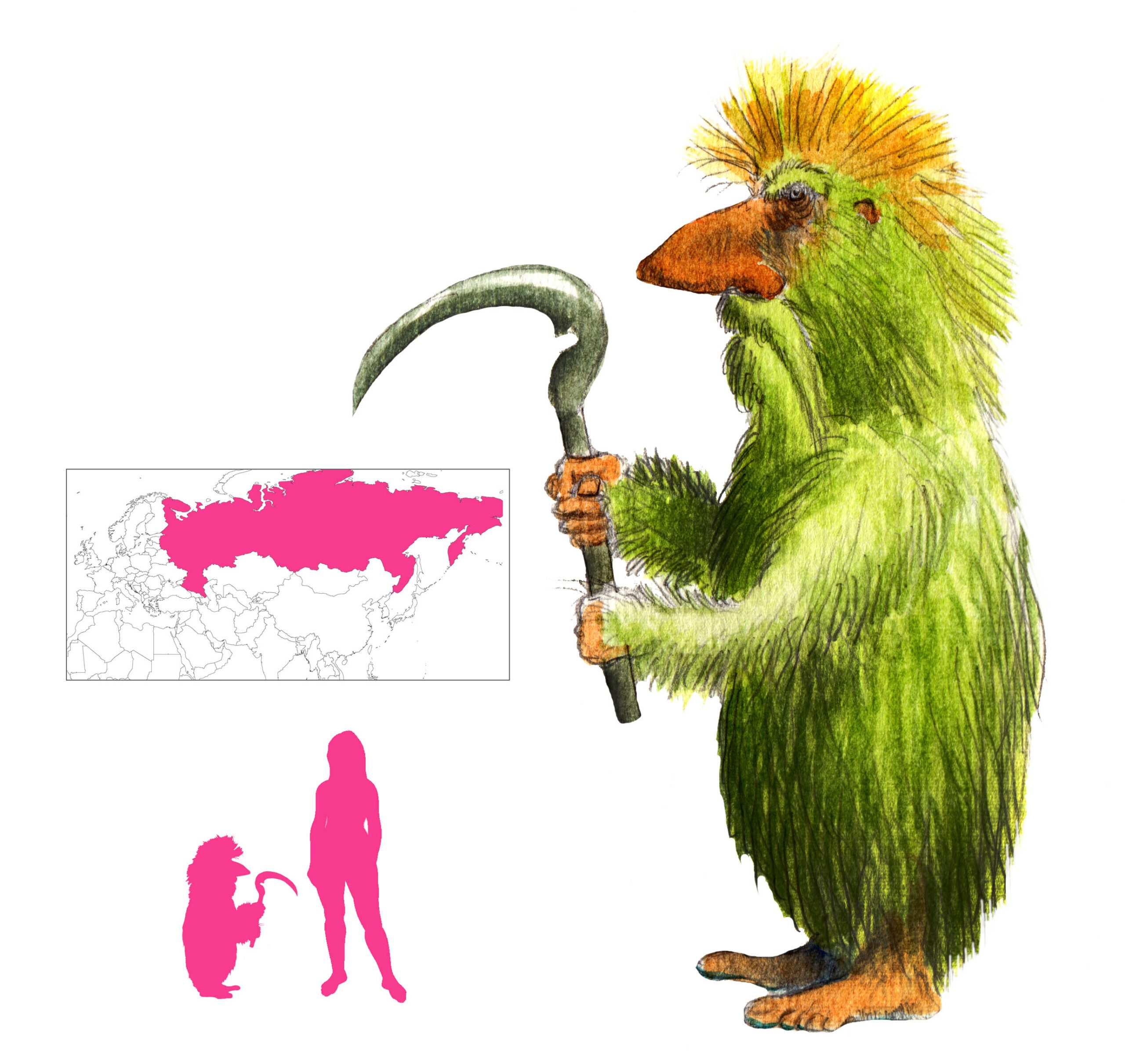
In Slavic mythology, the Polevik is often depicted as a male spirit, sometimes appearing as a tall, slender figure covered in grass or soil. This imagery reinforces its connection to the land and highlights its role as a protector of crops. The Polevik is also believed to be a trickster, playing pranks on farmers and those who wander into its domain. This duality of being both a guardian and a mischievous spirit adds depth to its character and reflects the unpredictable nature of agriculture.
Physical Appearance and Characteristics
The appearance of the Polevik can vary significantly depending on the region and the specific folklore associated with it. Generally, it is described as a tall, thin figure with a greenish hue, symbolizing its connection to the fields. Some tales portray the Polevik as having a head of grass or flowers, emphasizing its role as a protector of the harvest. In some regions, it is said to have a beard made of moss or earth, further linking it to the natural world.
 Ovinnik
In addition to its physical attributes, the Polevik is often associated with certain characteristics that define its behavior. As a guardian spirit, it is known to be protective of the land and the crops that grow upon it. However, it is also known for its mischievous nature, often playing tricks on unsuspecting farmers. These tricks can range from harmless pranks, such as hiding tools or leading people astray in the fields, to more serious consequences, like causing crops to fail if it feels disrespected.
Role in Agriculture
The Polevik plays a crucial role in the agricultural practices of those who believe in it. Farmers often make offerings to the Polevik to ensure a good harvest. These offerings can include bread, grains, or even small trinkets left in the fields as a sign of respect. By honoring the Polevik, farmers hope to gain its favor and protection over their crops. This practice reflects the deep connection between the Slavic people and the land they cultivate.
- Offerings: Farmers leave offerings to gain the favor of the Polevik.
- Protection: The Polevik is seen as a guardian spirit of the fields.
- Respect: Disrespecting the Polevik can lead to misfortune in the harvest.
In some regions, there are specific rituals associated with the Polevik during planting and harvesting seasons. These rituals often involve communal gatherings where farmers come together to celebrate the land and its spirits. Through song, dance, and storytelling, they honor the Polevik and seek its blessings. This communal aspect of agriculture highlights the importance of community in Slavic culture and reinforces the idea that the well-being of the land is a shared responsibility.
 Mikula
Legends and Folklore
Numerous legends and tales surrounding the Polevik illustrate its significance in Slavic mythology. One popular story involves a farmer who neglects to honor the Polevik before planting his crops. In this tale, the farmer experiences a series of misfortunes, from poor soil conditions to unexpected weather events that ruin his harvest. Eventually, he learns the importance of respecting the spirit of the fields and makes amends by leaving offerings. From that point on, he enjoys bountiful harvests, demonstrating the relationship between humans and the Polevik.
Another fascinating legend tells of a young girl who wanders into the fields and encounters the Polevik. Intrigued by her beauty and purity, the Polevik decides to protect her from harm. However, when she accidentally disrespects the land by trampling on flowers, the Polevik plays tricks on her, leading her in circles until she learns to respect the natural world. This story emphasizes the importance of harmony with nature and the consequences of disregarding the spirits that inhabit it.
The Polevik in Modern Culture
Despite the gradual decline of traditional beliefs, the Polevik continues to hold a place in modern Slavic culture. Today, many people still share stories of the Polevik, especially in rural areas where agricultural practices remain a vital part of life. The tales of the Polevik serve as a reminder of the deep connection between the Slavic people and their land, as well as the importance of respecting nature.
- Storytelling: Tales of the Polevik are passed down through generations.
- Community Events: Festivals celebrating the harvest often include references to the Polevik.
- Environmental Awareness: The Polevik symbolizes the importance of caring for the land.
In literature and art, the Polevik has also found its way into various forms of expression. Writers and artists draw inspiration from this spirit, using it as a symbol of the rural landscape and the relationship between humans and nature. Through these creative outlets, the Polevik remains a relevant figure, encouraging reflection on the importance of environmental stewardship and the wisdom of traditional practices.
Comparative Mythology
When examining the Polevik, it is interesting to compare it with similar figures in other mythologies. For instance, in Greek mythology, there are spirits known as nymphs that are associated with various aspects of nature, including forests, rivers, and fields. Like the Polevik, nymphs are often depicted as guardians of their respective domains, embodying the beauty and vitality of the natural world. This similarity highlights a common theme across cultures: the personification of nature and the reverence for its power.
In Norse mythology, there are also spirits associated with the land, such as the landvættir. These spirits are believed to protect the land and its inhabitants, much like the Polevik. The landvættir are often invoked in rituals to ensure good fortune and harmony with nature. This parallel demonstrates how different cultures have developed similar beliefs and practices surrounding nature and its guardians.
Symbolism of the Polevik
The Polevik is rich in symbolism, representing various aspects of life, nature, and agriculture. One of the most significant symbols associated with the Polevik is the harvest. As a guardian of the fields, the Polevik embodies the hope and promise of a bountiful yield. This symbolism extends beyond just agriculture, representing the cyclical nature of life and the interconnectedness of all living things. The Polevik serves as a reminder that our actions towards the land can have profound effects on our lives.
- Harvest: Symbolizes abundance and prosperity.
- Nature: Represents the harmony between humans and the environment.
- Cycle of Life: Emphasizes the interconnectedness of all living beings.
Another important symbol associated with the Polevik is the trickster archetype. As a mischievous spirit, the Polevik embodies the unpredictable nature of life and the importance of humility. The tricks played by the Polevik serve as cautionary tales, reminding individuals to respect nature and the forces that govern it. This duality of being both a protector and a trickster adds depth to the Polevik’s character and reflects the complexities of human interaction with the environment.
the Polevik is a fascinating figure within Slavic mythology, embodying the deep connection between humans and the land. As a guardian spirit of the fields, the Polevik plays a crucial role in agricultural practices, emphasizing the importance of respect for nature. Through legends, folklore, and modern interpretations, the Polevik continues to resonate with people today, serving as a symbol of the enduring relationship between humanity and the environment. The rich tapestry of stories surrounding the Polevik reminds us of the significance of honoring the land and the spirits that inhabit it.