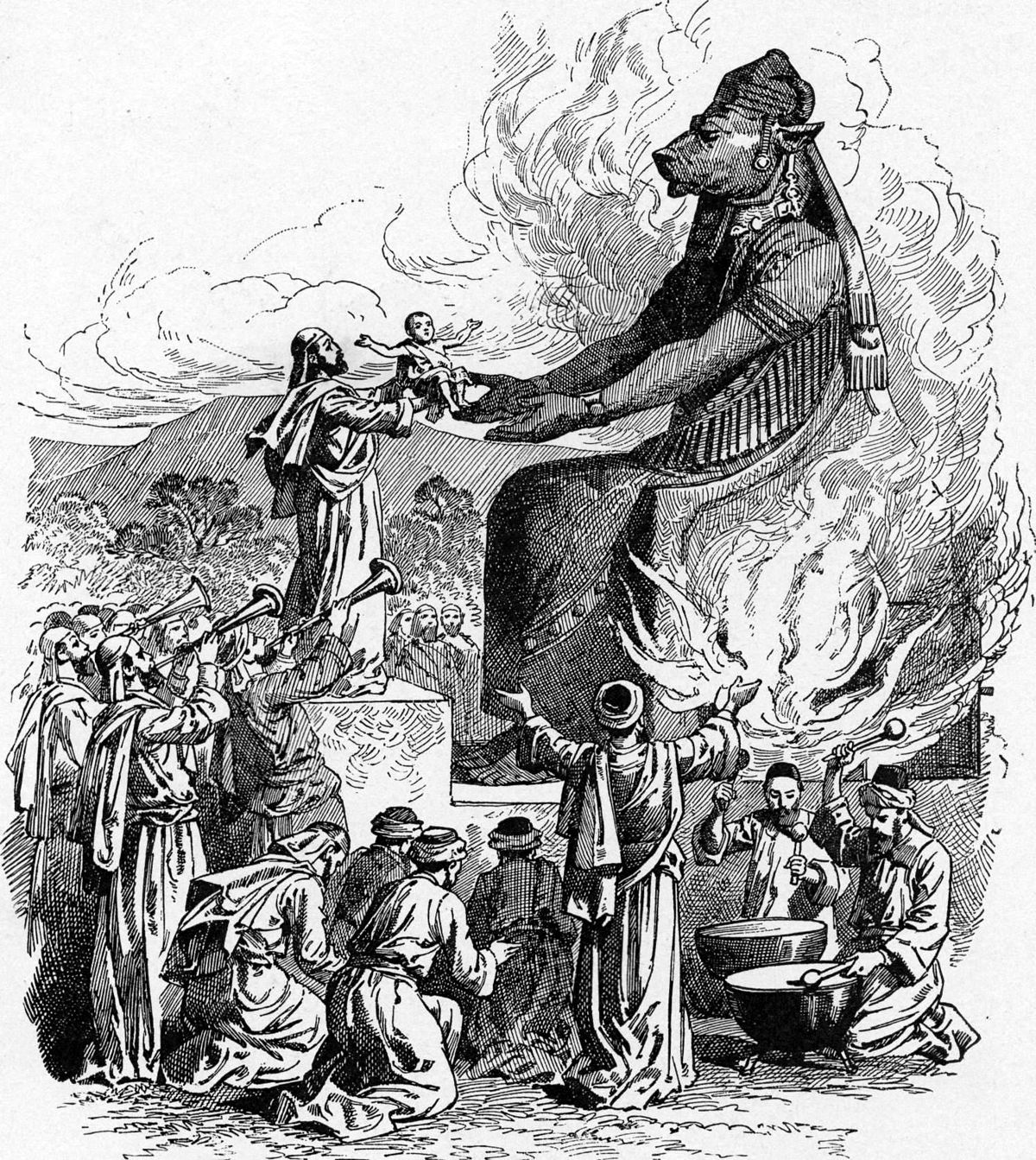
Moloch is a significant figure in Canaanite mythology, often associated with the ancient practices and beliefs of the peoples living in the region of Canaan. This deity is particularly noted for his connection to child sacrifice, a practice that has been a source of much controversy and discussion among historians and archaeologists. Moloch is often depicted as a formidable figure, representing the darker aspects of ancient religious rituals. The legacy of Moloch continues to be a subject of fascination, as it raises questions about morality, faith, and the extremes to which people might go in the name of worship.
The Historical Context of Moloch
The worship of Moloch can be traced back to the ancient Near East, where various cultures, including the Canaanites, held him in high regard. The term “Moloch” itself is believed to be derived from the Hebrew word “Molech,” which means “king.” This association with kingship underscores his importance within the pantheon of deities. Moloch was often linked to the agricultural fertility that was crucial for the survival of ancient communities. People believed that by appeasing Moloch, they could ensure bountiful harvests and prosperity for their families.
 Lotan
LotanVarious ancient texts, including the Bible, reference Moloch and the practices surrounding his worship. The Book of Leviticus explicitly condemns the act of passing children through fire to Moloch, highlighting the moral outrage that such practices invoked among the Israelites. This condemnation reflects the tensions between the worship of Moloch and the emerging monotheistic beliefs that characterized the Israelite religion. Moloch’s association with child sacrifice positioned him as a figure of fear and revulsion, yet his allure as a powerful deity could not be entirely extinguished.
Moloch in Canaanite Religion
The Canaanites practiced a polytheistic religion, worshiping a multitude of gods and goddesses. Moloch was one of these deities, often linked to other significant figures in the Canaanite pantheon. His role was multifaceted, encompassing aspects of warfare, fertility, and the afterlife. The rituals dedicated to Moloch were elaborate, often involving communal gatherings where offerings were made to appease the god. These rituals were not only religious acts but also social events that reinforced community bonds.
Archaeological evidence suggests that Moloch was worshiped in various forms across different regions. In some areas, he was depicted as a large bronze statue with a hollowed-out belly, where offerings, including children, were placed. This gruesome aspect of Moloch’s worship has led to intense debates among scholars about the extent and nature of these sacrifices. Some argue that these accounts may have been exaggerated or misunderstood, while others maintain that the practice was a genuine aspect of Canaanite religious life.
 Hyposouranios
The Symbolism of Moloch
Moloch embodies complex symbolism within Canaanite mythology. On one level, he represents the harsh realities of life in the ancient Near East, where survival often depended on the favor of powerful deities. The act of sacrifice, particularly of children, can be seen as a desperate measure taken by parents seeking to secure their family’s future. This symbolism is a poignant reminder of the lengths to which individuals may go in times of crisis, reflecting the profound fear and hope that characterized ancient religious practices.
Moreover, Moloch symbolizes the struggle between light and darkness in human nature. The allure of power and prosperity often leads people to make morally questionable choices, as seen in the sacrifices made to Moloch. This duality can be interpreted as a cautionary tale about the dangers of fanaticism and the potential consequences of prioritizing religious devotion over ethical considerations. Moloch serves as a powerful reminder of the complexities of faith and the moral dilemmas that can arise in the pursuit of divine favor.
The Rituals and Practices Associated with Moloch
The rituals associated with Moloch were both elaborate and terrifying. According to historical accounts, these rituals often involved a community gathering, where families would bring their offerings to the deity. The most notorious of these offerings was the sacrifice of children, which was believed to be a means of gaining favor or ensuring a good harvest. The practice of passing children through fire, or burning them alive, is one of the most horrifying aspects of Moloch worship. This act has been condemned by various religious texts and remains a point of contention among scholars.
 Hadad
Hadad- Community Involvement: Rituals were often communal events, with families coming together to participate in the worship of Moloch.
- Offerings: Various offerings were made, including animals, grains, and, tragically, children.
- Fire Rituals: The use of fire was central to many of the rituals, symbolizing purification and transformation.
These rituals were not only religious in nature but also served to strengthen social ties within the community. By participating in these acts, individuals affirmed their commitment to the deity and to each other. However, the dark nature of these practices raises ethical questions that resonate even today. The idea of sacrificing one’s own child for the sake of divine favor is a concept that many find unfathomable, yet it highlights the extreme measures that individuals may take when faced with desperation.
The Legacy of Moloch in Modern Culture
The legacy of Moloch has endured through the ages, influencing various aspects of modern culture. His image has been invoked in literature, art, and even politics, often serving as a symbol of the dangers of unchecked ambition and moral decay. Writers and artists have drawn upon the figure of Moloch to illustrate the darker sides of human nature, using him as a metaphor for the sacrifices people make in pursuit of power and success. The term “Moloch” has also been used in contemporary discussions about societal issues, particularly in relation to the sacrifices made in the name of progress.
In literature, Moloch often represents the struggle between the individual and the collective. Authors have used his character to explore themes of sacrifice, morality, and the consequences of blind devotion. The image of Moloch as a consuming fire is particularly poignant, symbolizing how ambition and desire can lead to self-destruction. This portrayal serves as a cautionary tale, reminding readers of the importance of balancing personal aspirations with ethical considerations.
The Archaeological Evidence of Moloch Worship
Archaeological findings have played a crucial role in our understanding of Moloch and the rituals associated with his worship. Excavations in ancient Canaanite sites have revealed altars and remnants of burnt offerings, providing tangible evidence of the practices that once took place. These findings have sparked debates among scholars regarding the nature and extent of child sacrifice in ancient times. While some argue that the evidence points to widespread practices, others suggest that these accounts may have been exaggerated or misinterpreted.
One significant discovery was made in the ancient city of Carthage, where numerous burial sites were found containing the remains of infants and young children. These findings have led to speculation about the role of child sacrifice in Carthaginian culture, which was heavily influenced by Canaanite practices. The evidence suggests that the worship of Moloch extended beyond Canaan and into other regions, indicating the widespread nature of these beliefs and rituals.
Moloch in Religious Texts
Moloch is frequently mentioned in various religious texts, particularly in the Hebrew Bible. The Book of Leviticus warns against the practice of sacrificing children to Moloch, emphasizing the moral implications of such acts. These warnings reflect the tension between the worship of Moloch and the emerging monotheistic beliefs of the Israelites. The portrayal of Moloch in these texts serves as a stark reminder of the dangers of idol worship and the ethical dilemmas faced by individuals in ancient societies.
In addition to the Hebrew Bible, Moloch is referenced in other ancient texts, including writings by Greek and Roman historians. These accounts often describe the rituals associated with Moloch, providing insight into the practices and beliefs of the Canaanites. The descriptions of Moloch as a deity demanding child sacrifice have contributed to the enduring image of this figure as a symbol of moral depravity and the extremes of religious fervor.
The Moral Implications of Moloch Worship
The worship of Moloch raises profound moral questions that continue to resonate today. The act of sacrificing children in the name of a deity challenges our understanding of ethics and the value of human life. It forces us to confront the extremes of devotion and the lengths to which individuals may go to seek divine favor. This moral dilemma is not limited to ancient practices but extends to contemporary discussions about the sacrifices made in the pursuit of power, wealth, and success.
In modern society, the term “Moloch” has been used to describe various forms of societal sacrifice, where individuals or groups may suffer for the benefit of others. This concept has been applied to issues such as economic inequality, environmental degradation, and the exploitation of vulnerable populations. The legacy of Moloch serves as a reminder of the ethical considerations that must be addressed in our pursuit of progress and prosperity. By examining the worship of Moloch, we can gain valuable insights into the moral complexities that continue to shape our world.
Comparative Mythology: Moloch and Other Deities
When examining Moloch within the broader context of mythology, it is essential to consider the similarities and differences between him and other deities associated with sacrifice. For instance, the ancient Greek god Kronos is known for devouring his children, a parallel that highlights the theme of parental sacrifice in mythology. Similarly, the Aztec god Huitzilopochtli demanded human sacrifices, reflecting the desperate measures societies may take to appease their gods.
These comparisons reveal a common thread in many ancient religions: the belief that the favor of the gods could be earned through sacrifice. However, the nature of these sacrifices varies significantly across cultures. While Moloch is primarily associated with child sacrifice, other deities may demand different forms of offerings, such as animals or crops. This diversity in practices underscores the complexities of ancient religious beliefs and the ways in which different societies grappled with the concept of sacrifice.
Modern Interpretations of Moloch
In contemporary discourse, Moloch has been reinterpreted in various ways, often serving as a metaphor for societal issues. The image of Moloch as a consuming fire has been utilized to represent the destructive nature of unchecked ambition and the sacrifices made in pursuit of success. This modern interpretation resonates with individuals who grapple with the moral implications of their choices in a fast-paced, competitive world.
Furthermore, Moloch has become a symbol in political and social movements, representing the idea of sacrificing the vulnerable for the sake of progress. Activists have invoked the figure of Moloch to criticize systems that prioritize profit over people, drawing attention to the ethical dilemmas faced by society. This reinterpretation serves as a powerful reminder of the ongoing relevance of ancient myths in addressing contemporary issues.
The Psychological Aspects of Moloch Worship
The worship of Moloch also invites exploration from a psychological perspective. The act of sacrificing a child can be seen as a manifestation of deep-seated fears and anxieties within a community. In times of crisis, individuals may turn to extreme measures in a desperate attempt to regain control or secure their future. This psychological aspect highlights the complex interplay between faith, fear, and the human psyche.
Moreover, the rituals surrounding Moloch worship can be understood as collective expressions of grief, hope, and desperation. Communities may come together to perform these acts as a means of coping with their struggles and seeking solace in the divine. This psychological lens offers valuable insights into the motivations behind such practices and the ways in which individuals navigate their fears and desires in the face of uncertainty.
Conclusion of Moloch’s Cultural Significance
Moloch’s significance in Canaanite mythology extends beyond the realm of ancient practices and beliefs. His legacy continues to influence modern culture, serving as a powerful symbol of the moral dilemmas faced by individuals and societies. The rituals and practices associated with Moloch raise profound questions about the nature of sacrifice, devotion, and the ethical considerations that shape our choices. As we reflect on the figure of Moloch, we are reminded of the complexities of faith and the ongoing relevance of ancient myths in understanding the human experience.