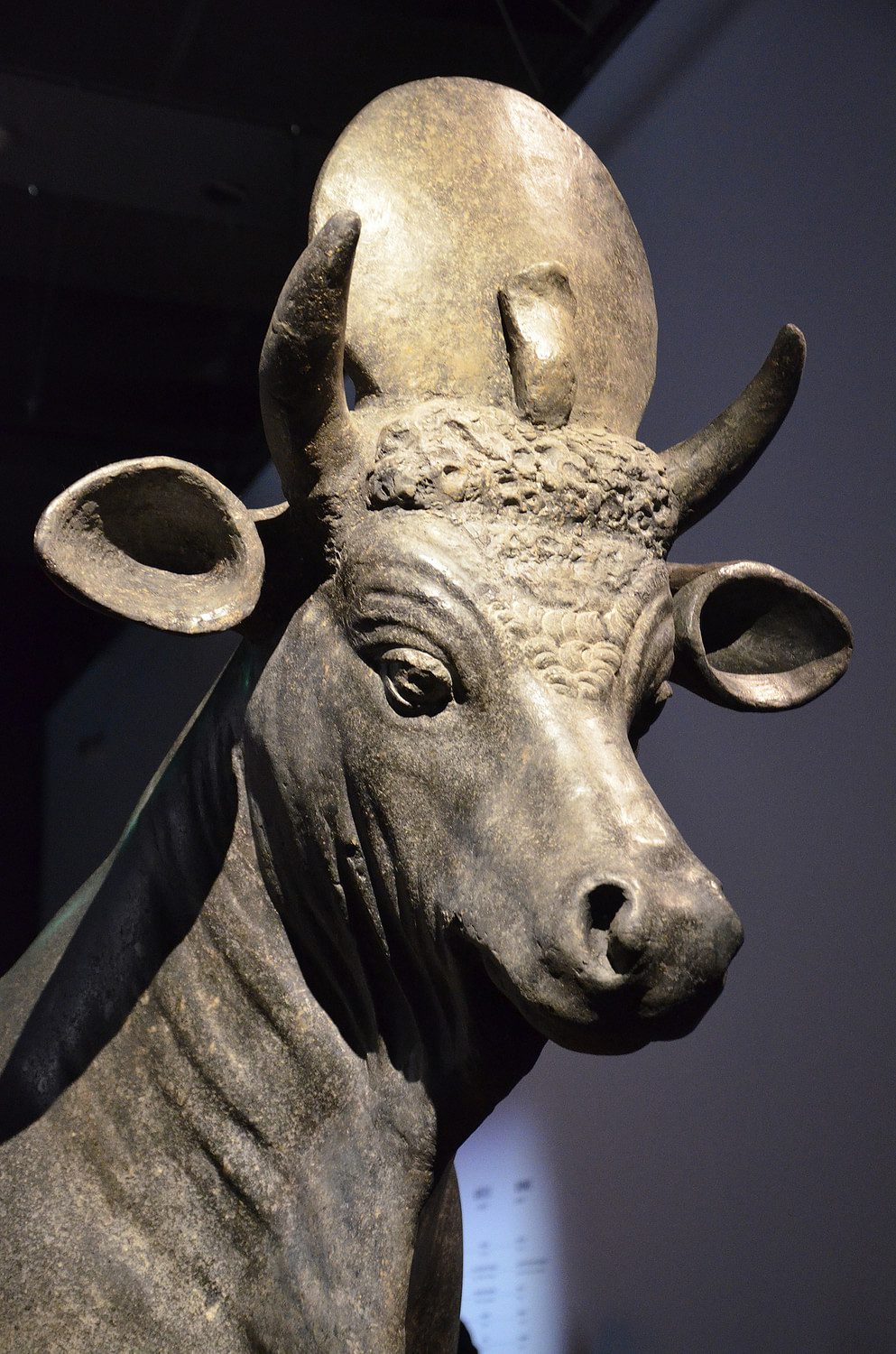
Apis is a significant deity in Egyptian mythology, recognized primarily as a god associated with fertility, agriculture, and the afterlife. This divine figure is often depicted as a bull or as a man with a bull’s head, symbolizing strength and vitality. The Apis bull was considered a living embodiment of the god, and its worship was a central aspect of ancient Egyptian religious practices. The Apis cult was particularly prominent in the city of Memphis, where the bull was venerated as a sacred animal. This article will explore the various aspects of Apis, including its origins, significance, and the rituals associated with its worship.
The Origins of Apis
The origins of Apis can be traced back to ancient Egypt’s early dynastic period. Archaeological evidence suggests that the worship of Apis began as early as the First Dynasty (c. 3100–2900 BCE). Initially, Apis was linked to the fertility of the land and the annual flooding of the Nile River, which was crucial for agriculture. As the Egyptian civilization evolved, so did the significance of Apis, leading to its association with various aspects of life and death. Over time, Apis became intertwined with other deities, most notably Osiris, the god of the afterlife, and Horus, the sky god.
 Ipet
IpetThe mythology surrounding Apis is rich and complex. According to legend, the Apis bull was born from a virgin cow, which was considered a miraculous event. This miraculous birth linked Apis to the concept of divine kingship, emphasizing the connection between the pharaohs and the gods. The bull was believed to embody the spirit of Ptah, the creator god and patron of craftsmen, further solidifying its importance in Egyptian culture. The Apis bull was seen as a bridge between the earthly realm and the divine, making its presence crucial in both life and death.
The Symbolism of Apis
Apis is rich in symbolism, reflecting the various aspects of life and death in ancient Egyptian belief systems. The bull itself represents strength, fertility, and virility, which were essential qualities for both agriculture and the continuation of the human race. The connection to agriculture is particularly significant, as the fertility of the land was directly tied to the success of the crops and, by extension, the survival of the people. The Apis bull’s role as a fertility symbol made it an important figure in rituals aimed at ensuring bountiful harvests.
Additionally, Apis is often associated with the afterlife. The bull’s connection to Osiris enhances its role as a symbol of resurrection and eternal life. The Egyptians believed that the soul of the deceased could be reborn in the afterlife, much like the cycle of life represented by the Apis bull. This duality of life and death made Apis a central figure in funerary practices, where its presence was invoked to ensure safe passage to the afterlife for the deceased.
 Apedemak
The Worship of Apis
The worship of Apis was a significant aspect of ancient Egyptian religion, with rituals and ceremonies dedicated to honoring this powerful deity. The most notable of these rituals was the Celebration of the Bull, which took place annually in Memphis. During this celebration, the Apis bull was paraded through the streets, and the people would gather to pay their respects. The bull was adorned with jewelry and flowers, symbolizing its divine status. This public display was not only a demonstration of devotion but also a means of reinforcing the social order and the connection between the pharaoh and the gods.
Priests played a vital role in the worship of Apis. They were responsible for caring for the bull, ensuring that it was well-fed and housed in a sacred temple. The priests would also perform daily rituals, including offerings of food and drink, to appease the deity. These offerings were essential for maintaining the bull’s favor, as it was believed that a healthy and happy Apis would bring prosperity to the land. The priests acted as intermediaries between the people and the divine, facilitating communication and ensuring that the needs of the community were met through their devotion to Apis.
The Death and Afterlife of Apis
The death of the Apis bull was a significant event in ancient Egypt, often marked by elaborate mourning rituals. When an Apis bull died, it was believed that the spirit of the deity departed from its earthly form. The community would go into mourning, and the priests would perform a series of rituals to honor the deceased bull. The body of the bull was embalmed and buried in a sacred tomb, which was often located near the temple in Memphis. This burial process was similar to that of pharaohs, highlighting the importance of the Apis bull in Egyptian society.
 Anti
AntiThe tombs of the Apis bulls, known as Serapeum, were grand structures that housed the remains of these sacred animals. The Serapeum was a place of pilgrimage for many Egyptians who sought to pay their respects to the Apis bull and to seek blessings from the deity. It was believed that the spirit of the bull continued to watch over the living, providing protection and guidance in the afterlife. The connection between the Apis bull and the afterlife was a crucial aspect of its worship, reinforcing the belief in resurrection and the eternal cycle of life.
Apis and Other Deities
Apis is often associated with several other deities in the Egyptian pantheon, creating a complex web of relationships that reflect the interconnectedness of their roles. One of the most significant associations is with Osiris, the god of the afterlife. The Apis bull was considered a manifestation of Osiris, representing his fertility and connection to resurrection. This link emphasized the belief that the Apis bull could aid the deceased in their journey to the afterlife, providing them with the strength and support needed for rebirth.
Another important association is with Horus, the sky god and protector of the pharaohs. In some myths, the Apis bull is seen as a symbol of Horus’s strength and power, reinforcing the idea that the pharaohs were divinely chosen rulers. The connection between Apis and Horus illustrates the significance of the bull in legitimizing the authority of the pharaohs and their role as intermediaries between the gods and the people.
The Legacy of Apis in Egyptian Culture
The legacy of Apis extends beyond its worship in ancient Egypt. The Apis bull has left an indelible mark on Egyptian culture, influencing art, literature, and religious practices throughout the ages. Many ancient Egyptian artifacts depict the Apis bull, showcasing its importance in the daily lives of the people. Statues, carvings, and paintings often highlight the bull’s strength and divine nature, serving as a reminder of its significance in the pantheon of Egyptian gods.
In addition to its artistic representations, the legacy of Apis can also be seen in the continued interest in Egyptian mythology and religion. Modern scholars and enthusiasts study the worship of Apis to better understand the complexities of ancient Egyptian beliefs and practices. The Apis bull serves as a symbol of the rich tapestry of Egyptian mythology, illustrating the deep connections between life, death, and the divine. As a subject of fascination, Apis continues to captivate the imaginations of those interested in ancient cultures and their spiritual beliefs.
Modern Interpretations of Apis
In contemporary times, the figure of Apis has been reinterpreted in various ways. Scholars and historians examine the role of the Apis bull in ancient Egyptian society to draw parallels with modern beliefs and practices. The themes of fertility, strength, and the afterlife resonate with many people today, as they explore their own spiritual journeys and connections to the past. The legacy of Apis serves as a reminder of the enduring nature of mythology and its ability to influence contemporary thought.
Moreover, the Apis bull has become a symbol of ancient Egypt in popular culture. Films, books, and art often reference the Apis bull as a representation of the grandeur and mystique of Egyptian civilization. This modern fascination with Apis highlights the enduring legacy of ancient beliefs and the ways in which they continue to inspire and captivate audiences around the world.
The Apis Bull in Popular Culture
The Apis bull has also found its way into various forms of popular culture, including literature, films, and even video games. These representations often emphasize the mystical and powerful nature of the bull, drawing on its rich mythology to create compelling narratives. For example, in literature, the Apis bull is sometimes depicted as a guardian spirit, protecting the heroes of the story as they navigate challenges and adversities.
In films, the Apis bull is often used as a symbol of ancient Egypt’s grandeur, showcasing the civilization’s impressive architectural achievements and rich religious practices. This portrayal helps to keep the mythology of Apis alive in the public consciousness, sparking interest in ancient Egyptian culture and history. Additionally, video games that incorporate Egyptian mythology frequently feature the Apis bull as a character or symbol, allowing players to engage with the myths in an interactive way.
the Apis bull holds a prominent place in Egyptian mythology, representing fertility, strength, and the connection between life and death. Its worship was central to the religious practices of ancient Egyptians, with elaborate rituals and ceremonies dedicated to honoring this sacred deity. The legacy of Apis continues to resonate today, inspiring modern interpretations and representations in various forms of culture. As we explore the mythology surrounding Apis, we gain a deeper understanding of the complexities of ancient Egyptian beliefs and the enduring nature of their spiritual traditions.