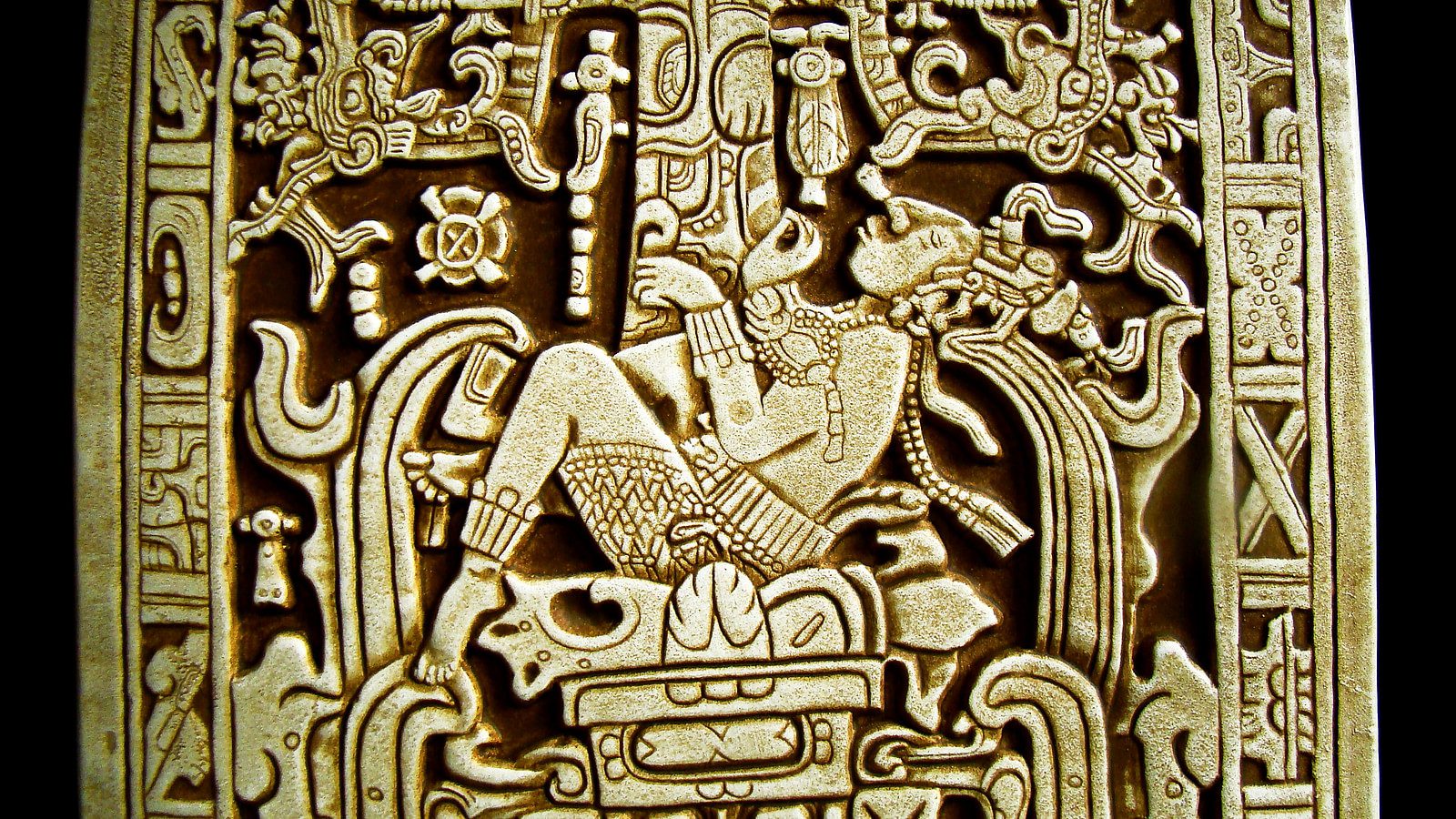
Hozanek is a significant figure in Maya mythology, often associated with various aspects of creation and the natural world. This character plays a crucial role in the narratives that explain the origins of the Earth, the sky, and the intricate relationships between the gods and humans. Understanding Hozanek requires a deep dive into the beliefs and practices of the ancient Maya civilization, where mythology intertwined with daily life and spirituality.
The Role of Hozanek in Maya Creation Myths
In many creation myths of the Maya, Hozanek is depicted as a central figure who contributed to the formation of the universe. These myths often describe a time of chaos before the creation of the world. Hozanek, along with other deities, participated in the act of bringing order to this chaos. The stories highlight how he shaped the land and populated it with various forms of life, including plants, animals, and humans.
 Can Tzicnal
One of the most fascinating aspects of Hozanek’s role in creation is his connection to nature. He is often portrayed as a deity who embodies the essence of the Earth itself. This connection emphasizes the Maya’s reverence for nature and their understanding of the environment as a living entity. Hozanek’s influence can be seen in the changing seasons, the growth of crops, and the cycles of life and death.
Key Themes in Hozanek’s Myths
- Chaos and Order: The transition from chaos to order is a recurring theme.
- Nature and Life: Hozanek’s role in nurturing life on Earth.
- Human Connection: The relationship between Hozanek and humanity.
Another significant theme in Hozanek’s myths is the balance between chaos and order. The ancient Maya believed that the universe was in a constant state of flux, and Hozanek was instrumental in establishing the balance necessary for life to thrive. This idea reflects the Maya worldview, where harmony with nature and the cosmos was essential for survival and prosperity.
Hozanek and the Maya Calendar
The Maya calendar is one of the most complex and fascinating systems of timekeeping in human history. Hozanek is often linked to various aspects of the calendar, particularly in relation to agricultural cycles. The Maya believed that certain days were auspicious for planting and harvesting, and Hozanek’s influence was thought to guide these processes.
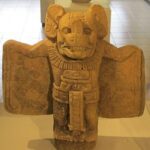 Camazotz
In the Tzolk’in, a 260-day ritual calendar, Hozanek’s presence is felt during specific periods that align with agricultural events. For instance, the days associated with Hozanek are often considered favorable for sowing seeds and ensuring a bountiful harvest. This connection between Hozanek and the calendar underscores the importance of agriculture in Maya society and the spiritual significance attributed to farming practices.
Festivals and Rituals
- Harvest Festivals: Celebrations dedicated to Hozanek.
- Ritual Offerings: Practices to honor Hozanek.
- Community Gatherings: Importance of collective worship.
Festivals dedicated to Hozanek often coincide with the agricultural calendar, particularly during harvest time. These harvest festivals serve as a way for the community to come together and express gratitude for the bounty provided by the Earth. Ritual offerings, such as food, flowers, and incense, are made to honor Hozanek and seek his continued blessings for future crops.
Hozanek in Art and Iconography
 Cakulha-huracan
The representation of Hozanek in Maya art and iconography provides valuable insights into how this deity was perceived by the ancient civilization. Various artifacts, including pottery, murals, and sculptures, depict Hozanek in different forms, often showcasing his connection to nature and creation. These artistic expressions reflect the reverence the Maya had for him and serve as a means of communicating their beliefs.
One common motif in Maya art is the depiction of Hozanek surrounded by lush vegetation and animals. This imagery symbolizes his role as a life-giver and protector of the natural world. Additionally, Hozanek is sometimes portrayed with other deities, highlighting the interconnectedness of the gods within the Maya pantheon. These representations not only tell stories of creation but also convey the importance of harmony between humans and nature.
Significant Artifacts
- Pottery: Vessels depicting scenes of Hozanek.
- Murals: Wall paintings illustrating Hozanek’s myths.
- Sculptures: Statues honoring Hozanek’s presence.
Artifacts such as pottery often feature scenes of Hozanek in various stages of the agricultural cycle, emphasizing his vital role in the sustenance of the Maya people. Murals found in ancient temples and ceremonial sites frequently depict Hozanek alongside other deities, showcasing his significance in the broader context of Maya spirituality. These artistic representations serve as a testament to the enduring legacy of Hozanek in Maya culture.
Hozanek’s Influence on Modern Maya Communities
Even today, the legacy of Hozanek continues to resonate within modern Maya communities. Many descendants of the ancient Maya still honor their ancestral beliefs and practices, incorporating Hozanek into their spiritual lives. This connection to the past is reflected in rituals, festivals, and agricultural practices that pay homage to this important deity.
In contemporary Maya culture, Hozanek is often invoked during agricultural ceremonies, where community members gather to seek blessings for their crops. These events serve not only as a means of honoring Hozanek but also as an opportunity for the community to come together, share knowledge, and strengthen social bonds. The continued relevance of Hozanek demonstrates the resilience of Maya traditions and their ability to adapt over time.
Modern Rituals and Practices
- Planting Ceremonies: Rituals to honor Hozanek before sowing.
- Community Gatherings: Events that reinforce cultural identity.
- Spiritual Offerings: Practices to maintain a connection with Hozanek.
During planting ceremonies, modern Maya communities often perform rituals that include offerings to Hozanek, such as food and flowers, to ensure a successful growing season. These ceremonies reflect the enduring relationship between the Maya people and their environment, as well as their commitment to preserving their cultural heritage. Community gatherings centered around these rituals reinforce cultural identity and provide a sense of belonging.
Hozanek in Comparative Mythology
When examining Hozanek within the context of comparative mythology, it becomes evident that many cultures have deities or figures that share similar attributes. For instance, various mythologies feature gods associated with creation, nature, and agriculture. This similarity highlights a universal theme in human spirituality: the need to explain the origins of the world and the relationship between humans and the divine.
In many indigenous cultures, deities like Hozanek are seen as essential to the agricultural cycle, reflecting the deep connection between people and the land. This relationship is not unique to the Maya; it can be found in cultures worldwide. By comparing Hozanek with similar figures in other mythologies, we gain a richer understanding of the shared human experience and the diverse ways in which different societies interpret their existence.
Examples of Similar Deities
- Demeter: Greek goddess of the harvest.
- Osiris: Egyptian god of agriculture and fertility.
- Pachamama: Andean goddess of the Earth.
For example, Demeter in Greek mythology is the goddess of the harvest and agriculture, much like Hozanek. She is associated with the fertility of the Earth and the changing seasons, emphasizing the importance of agriculture in ancient Greek society. Similarly, Osiris, the Egyptian god of agriculture, represents the cycle of life, death, and rebirth, mirroring Hozanek’s role in the natural world.
In exploring the multifaceted character of Hozanek, we uncover the profound ways in which the ancient Maya understood their world and their place within it. From creation myths to modern rituals, Hozanek serves as a reminder of the interconnectedness of life, nature, and spirituality. The stories and practices surrounding this deity continue to shape the cultural identity of the Maya people, illustrating the enduring power of mythology in human history.