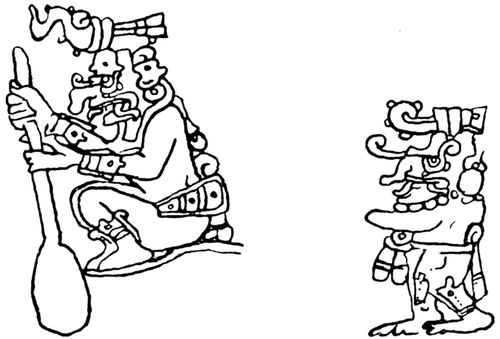
Chibil Kin is an important figure in Maya mythology, representing the sun and its life-giving properties. In the rich tapestry of Maya cosmology, the sun is not just a celestial body; it is a powerful deity that governs the cycle of life, death, and rebirth. Chibil Kin is often associated with warmth, light, and growth, playing a crucial role in the agricultural practices of the ancient Maya civilization. The sun’s daily journey across the sky symbolizes the passage of time and the changing seasons, which were vital for the Maya people as they depended on agriculture for their survival.
The Significance of Chibil Kin
The significance of Chibil Kin in Maya culture cannot be overstated. As a solar deity, Chibil Kin embodies the essence of life itself. The Maya believed that without the sun, crops would not grow, and life would cease to exist. This connection to agriculture made Chibil Kin a central figure in their religious practices and daily lives. Farmers would often perform rituals and offer sacrifices to honor Chibil Kin, hoping to ensure a bountiful harvest.
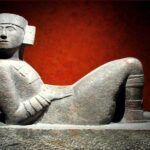 Chacmool
Moreover, Chibil Kin is also linked to various myths and legends that illustrate the struggles and triumphs of the sun. One of the most famous myths involves the sun’s journey through the underworld during the night, where it faces challenges and adversaries. This myth symbolizes the eternal battle between light and darkness, good and evil, which resonated deeply with the Maya worldview. Such stories were passed down through generations, reinforcing the importance of Chibil Kin in their cultural identity.
Chibil Kin in Rituals and Ceremonies
Rituals and ceremonies dedicated to Chibil Kin were an essential part of Maya life. These events often included elaborate offerings, music, and dance, showcasing the community’s devotion to the sun deity. The ceremonies aimed to seek blessings for good weather, abundant crops, and protection from natural disasters. It was believed that by pleasing Chibil Kin, the Maya could ensure the sun would shine brightly and favorably upon their lands.
- Offerings: These could include food, flowers, and incense.
- Music and Dance: Specific songs and dances were performed to honor the sun.
- Prayer: Community members would gather to pray for the sun’s favor.
During important agricultural seasons, such as planting and harvest, larger ceremonies would take place. These events could attract people from neighboring villages, fostering a sense of unity and shared purpose. The rituals served not only as a way to honor Chibil Kin but also as a means of strengthening community bonds. The collective participation in these ceremonies reflected the importance of the sun in their daily lives and the acknowledgment of its divine power.
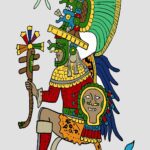 Chac Xib Chac
Chibil Kin and Maya Agriculture
The relationship between Chibil Kin and Maya agriculture is profound. The ancient Maya were skilled farmers who relied heavily on the sun for their crops to flourish. They cultivated various crops, including maize, beans, and squash, which formed the backbone of their diet. The sun’s warmth and light were essential for these plants to grow, making Chibil Kin a vital figure in their agricultural calendar.
To align their agricultural practices with the solar cycle, the Maya developed a complex calendar system that tracked the sun’s movements. This system helped them determine the best times for planting and harvesting crops. The Maya believed that certain days were more auspicious than others for agricultural activities, and they often consulted their calendars to make decisions accordingly. Chibil Kin’s influence was evident in every aspect of their farming practices, from sowing seeds to reaping the harvest.
Seasonal Festivals
Seasonal festivals were a significant part of the Maya agricultural calendar, celebrating the sun’s role in the growth of crops. These festivals were vibrant and lively, filled with music, dance, and communal feasting. One of the most notable festivals was the Hanal Pixan, which honored the sun and the ancestors. During this time, families would prepare special meals and offerings to celebrate the connection between the living and the dead, recognizing the sun’s role in sustaining life.
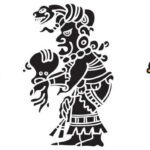 Ixchel
- Maize Festival: Celebrated the beginning of the planting season.
- Harvest Festival: Marked the end of the growing season with feasting and gratitude.
- Solstice Celebrations: Honored the longest and shortest days of the year.
These festivals were not only a way to give thanks to Chibil Kin but also an opportunity for the community to come together, share stories, and reinforce cultural traditions. The vibrant colors, rhythmic music, and joyful dances created an atmosphere of celebration, reflecting the deep appreciation the Maya had for the sun and its life-giving properties.
Chibil Kin in Art and Iconography
Chibil Kin has been depicted in various forms of Maya art and iconography, showcasing the importance of the sun in their culture. Artists often represented Chibil Kin with bright colors and intricate designs, symbolizing light and warmth. Common depictions included sun motifs, celestial symbols, and scenes of agricultural life, illustrating the sun’s direct influence on the Maya way of living.
Murals, pottery, and stone carvings frequently featured images of Chibil Kin, highlighting his role in the cosmos. These artworks served not only as decorative pieces but also as a means of storytelling, conveying the beliefs and values of the Maya people. Through these artistic expressions, the legacy of Chibil Kin continues to be celebrated, providing insights into the spiritual and cultural significance of the sun in Maya society.
Symbolism in Maya Art
The symbolism associated with Chibil Kin in Maya art is rich and multifaceted. The sun is often depicted as a powerful force, with rays extending outward to represent its life-giving energy. Artists used a variety of colors to convey different meanings; for example, yellow and gold were commonly associated with the sun’s brightness, while red symbolized strength and vitality. These colors were carefully chosen to reflect the attributes of Chibil Kin and his impact on the natural world.
- Sun Glyphs: Representations of Chibil Kin often included specific glyphs that signified his identity.
- Celestial Bodies: The sun was frequently depicted alongside other celestial bodies, emphasizing its importance in the cosmos.
- Nature Scenes: Artwork often illustrated the sun’s role in nurturing plants and animals, highlighting the interconnectedness of life.
Through these artistic representations, the Maya were able to communicate their reverence for Chibil Kin and the sun. The art served as a reminder of the sun’s importance in their daily lives and its integral role in their spiritual beliefs. The vibrant depictions of Chibil Kin continue to inspire awe and appreciation for the ancient Maya civilization and its understanding of the natural world.
Chibil Kin in Modern Maya Culture
Even today, Chibil Kin remains a significant figure in modern Maya culture. Many contemporary Maya people still honor the sun in their rituals and celebrations, recognizing its ongoing importance in their lives. Traditional agricultural practices often incorporate elements of ancient beliefs, reflecting the enduring legacy of Chibil Kin in their daily routines.
In addition to agricultural practices, Chibil Kin is also celebrated in various cultural events and festivals that honor Maya heritage. These events often include traditional music, dance, and storytelling, allowing younger generations to connect with their roots and understand the significance of their ancestors’ beliefs. By celebrating Chibil Kin, modern Maya communities continue to foster a sense of identity and cultural pride.
Preservation of Maya Traditions
The preservation of Maya traditions, including the veneration of Chibil Kin, is vital for maintaining cultural identity. Efforts to revitalize ancient practices have gained momentum in recent years, with communities working together to ensure that their heritage is passed down through generations. Educational programs and cultural workshops play a crucial role in this preservation, teaching younger Maya about their history, beliefs, and the importance of the sun in their lives.
- Cultural Workshops: These sessions educate youth about traditional practices and beliefs.
- Community Festivals: Celebrations that honor Chibil Kin and other deities help to strengthen community ties.
- Storytelling: Oral traditions pass down myths and legends related to Chibil Kin, keeping the stories alive.
The ongoing celebration of Chibil Kin reflects the resilience of the Maya culture and its ability to adapt while maintaining its core beliefs. As the world changes, the connection to the sun and its significance in Maya mythology remains a powerful reminder of the enduring bond between nature and culture.