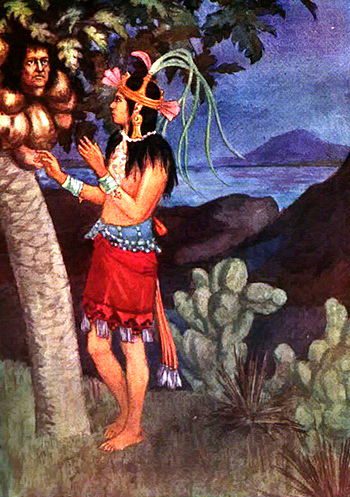
In the rich tapestry of Maya mythology, one of the fascinating figures is Chipi-cakulha. This deity is often associated with the natural world and holds significant importance in various Maya cultures. Chipi-cakulha is known for embodying the essence of life and fertility, playing a crucial role in the agricultural practices of the Maya. His name translates to “the one who brings the rain,” emphasizing his connection to the weather and its impact on crop growth. This article explores the various aspects of Chipi-cakulha, including his origins, attributes, and the rituals dedicated to him.
Origins of Chipi-cakulha
The origins of Chipi-cakulha can be traced back to ancient Maya civilization. The Maya had a deep understanding of nature, and their mythology often reflects this. Chipi-cakulha is believed to have emerged from the ancient stories passed down through generations. The deity is often depicted as a youthful figure, symbolizing the vitality of nature. This connection to youth and vitality is crucial, as it represents the renewal of life that comes with each rainy season.
 Chiccan
According to various Maya texts and oral traditions, Chipi-cakulha was born from the union of Earth and Sky. This duality is significant in Maya cosmology, as it reflects the balance that is essential for life. The Earth provides the soil and nutrients, while the Sky brings the rain and sunlight necessary for growth. This harmonious relationship is central to the reverence the Maya held for Chipi-cakulha, as he symbolizes the interconnectedness of all living things.
Attributes of Chipi-cakulha
Chipi-cakulha is characterized by several attributes that highlight his importance in Maya mythology. One of the most notable attributes is his association with rain and water. The Maya believed that he had the power to control the rain, which was vital for their agricultural practices. Without rain, crops would wither and die, leading to famine and suffering. Therefore, Chipi-cakulha was often invoked during times of drought or when the rainy season was delayed.
Another significant attribute of Chipi-cakulha is his connection to fertility. He is often depicted with symbols of fertility, such as corn and other crops. The Maya viewed agriculture as a sacred duty, and they believed that Chipi-cakulha played a vital role in ensuring a bountiful harvest. His presence was essential during planting and harvesting seasons, as the Maya sought his blessings to guarantee a successful yield.
 Chibil Kin
Physical Representations
- Chipi-cakulha is often depicted as a youthful figure, representing vitality.
- He is commonly shown holding symbols of rain, such as water droplets or clouds.
- Fertility symbols like corn are frequently included in his representations.
These physical representations serve not only as artistic expressions but also as reminders of the vital role that Chipi-cakulha played in the lives of the Maya. His imagery is often found in murals, pottery, and carvings, showcasing the deep respect the Maya had for this deity.
Rituals and Offerings
Rituals dedicated to Chipi-cakulha were an integral part of Maya religious practices. The Maya believed that to receive the blessings of this deity, they needed to perform specific ceremonies. These rituals often involved offerings of food, especially maize, which was considered sacred. The act of offering food was a way to show gratitude and to seek favor from Chipi-cakulha for a fruitful harvest.
During the rainy season, the Maya would hold elaborate ceremonies to honor Chipi-cakulha. These events typically included music, dance, and prayer. The rituals aimed to invoke the deity’s presence and to ensure that the rains would come at the right time. The participation of the community was essential, as it reflected their collective reliance on Chipi-cakulha for sustenance and survival.
 Chacmool
Types of Offerings
- Maize and other crops
- Flowers and fruits
- Incense and aromatic herbs
Each offering was carefully chosen to appeal to Chipi-cakulha’s nature. For instance, maize was not only a staple food but also a symbol of life and growth. By presenting these offerings, the Maya expressed their respect for the deity and their hope for a prosperous future.
Chipi-cakulha in Maya Cosmology
Chipi-cakulha occupies a unique position in Maya cosmology. He is often seen as a mediator between the Earth and the Sky, facilitating the exchange of life-giving resources. This role is crucial, as it highlights the interconnectedness of various elements in the Maya worldview. The Maya believed that everything in the universe is related, and Chipi-cakulha embodies this principle.
In addition to his role as a rain deity, Chipi-cakulha is also associated with the underworld. This connection may seem contradictory, but it underscores the cyclical nature of life and death in Maya belief systems. The underworld is seen as a place of regeneration, where life begins anew. Chipi-cakulha’s association with both the heavens and the underworld illustrates the complexity of Maya mythology and the duality of existence.
Chipi-cakulha and Agriculture
Agriculture was the backbone of Maya society, and Chipi-cakulha played a vital role in this aspect of their lives. The Maya relied heavily on their agricultural practices for sustenance, and they believed that Chipi-cakulha was essential for ensuring successful crops. His influence extended beyond just rain; he was also associated with the fertility of the soil and the growth of plants.
The timing of agricultural activities was closely linked to the cycles of nature, and the Maya paid careful attention to the seasons. They would often plant their crops in accordance with the lunar calendar, believing that Chipi-cakulha’s blessings would be more potent during certain phases of the moon. This connection between the cosmos and agriculture demonstrates the Maya’s profound understanding of their environment and their reliance on Chipi-cakulha for guidance.
Farming Practices
- Shifting cultivation
- Terracing for soil conservation
- Use of rituals to mark planting and harvesting
The farming practices of the Maya were deeply intertwined with their religious beliefs. Each planting season was marked by specific rituals to honor Chipi-cakulha, seeking his blessings for a successful harvest. This symbiotic relationship between agriculture and spirituality underscores the importance of Chipi-cakulha in the daily lives of the Maya.
Chipi-cakulha in Contemporary Maya Culture
Even in contemporary Maya culture, the legacy of Chipi-cakulha continues to influence agricultural practices and spiritual beliefs. Many Maya communities still honor this deity through rituals and offerings, reflecting a deep-rooted respect for their ancestors and their traditions. The reverence for Chipi-cakulha is evident during the rainy season, when communities come together to perform ceremonies aimed at ensuring adequate rainfall.
Moreover, the teachings and stories surrounding Chipi-cakulha have been passed down through generations, serving as a reminder of the importance of nature and the environment. The Maya today recognize the challenges posed by climate change, and many see Chipi-cakulha as a symbol of resilience and adaptability in the face of these challenges.
Modern Rituals
- Community gatherings during the rainy season
- Offerings made at local shrines
- Integration of traditional practices with modern agricultural techniques
These modern rituals reflect the enduring significance of Chipi-cakulha in the lives of the Maya. They highlight the community’s commitment to preserving their cultural heritage while adapting to contemporary challenges. Chipi-cakulha remains a vital part of their identity, serving as a bridge between the past and the present.
Conclusion of Chipi-cakulha’s Legacy
The legacy of Chipi-cakulha is a testament to the enduring connection between the Maya people and their environment. This deity embodies the principles of life, fertility, and the cyclical nature of existence. Through the rituals and beliefs surrounding Chipi-cakulha, the Maya have maintained a deep respect for nature and its resources. As the world faces new challenges, the teachings and traditions related to Chipi-cakulha serve as a reminder of the importance of harmony with the environment and the interconnectedness of all living beings.