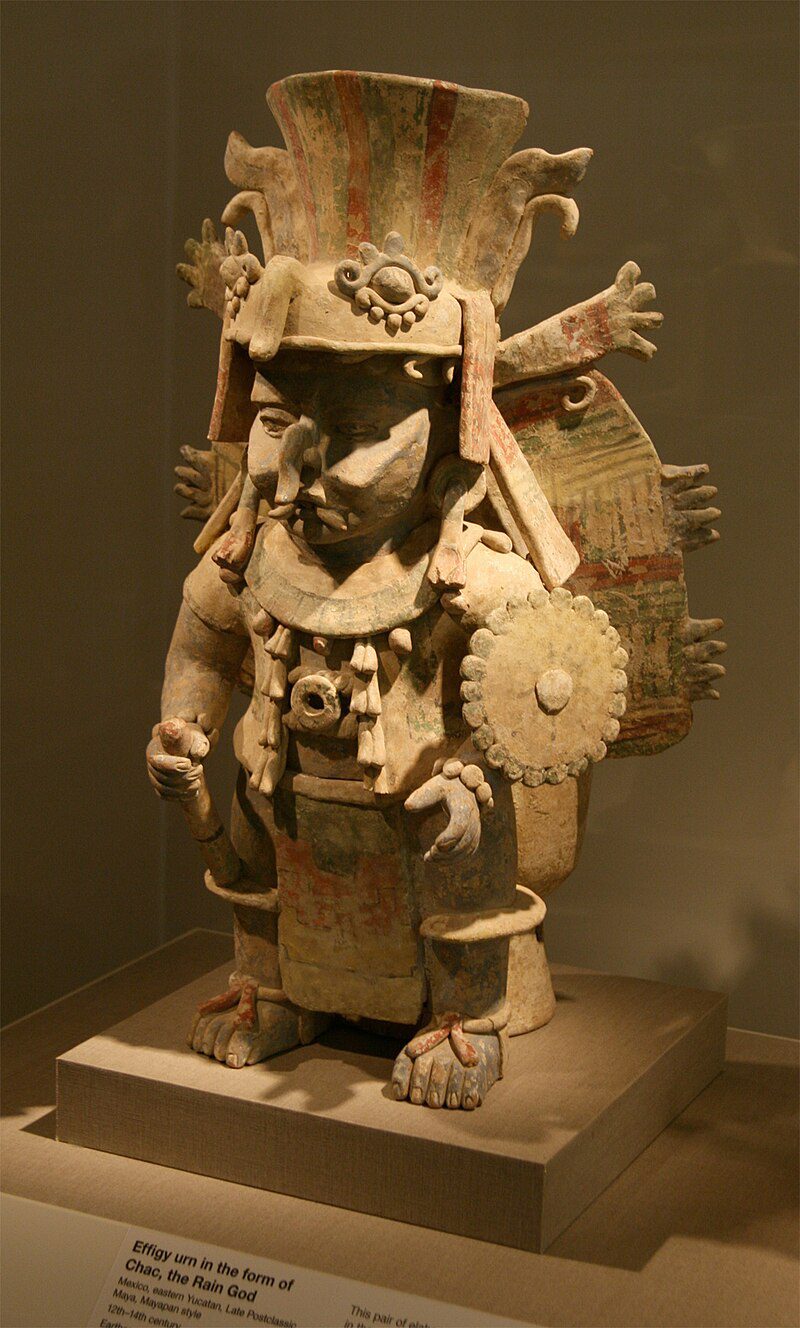
The Frog God, known as God A or G, plays a significant role in Maya mythology. This deity is often associated with fertility, water, and agriculture. In the rich tapestry of Mayan culture, frogs symbolize rebirth and transformation, reflecting their life cycle from tadpole to adult. The presence of the Frog God in various myths illustrates the importance of water and rain, which are essential for the survival of crops and the overall well-being of the community.
The Role of Water in Maya Mythology
Water is a vital element in Maya mythology. It is not only a source of life but also a symbol of renewal and growth. The Frog God embodies these themes, highlighting the importance of water in the agricultural practices of the ancient Maya. In many Mayan myths, water is seen as a divine gift that sustains life and allows for prosperity. The association of frogs with water emphasizes their role as harbingers of rain, which is crucial for farming.
 Fat God
The connection between water and agriculture is evident in the rituals and ceremonies performed by the Maya. These practices often involved offerings to deities like the Frog God, seeking their favor to ensure a bountiful harvest. The cycle of planting and harvesting was deeply intertwined with the seasonal rains, making the worship of water-related gods essential for the survival of the community.
The Symbolism of Frogs
Frogs hold a unique place in Maya mythology due to their remarkable life cycle. They begin as eggs, hatch into tadpoles, and eventually transform into adult frogs. This process symbolizes transformation and rebirth, themes that resonate deeply with the Maya worldview. The Frog God, as a representation of these ideas, embodies the belief that life is cyclical and that death can lead to new beginnings.
In addition to their transformative qualities, frogs are also associated with fertility. The abundance of frogs during the rainy season signals the time for planting crops. Their croaking serves as a reminder of the fertility of the land, encouraging the Maya to cultivate and nurture their crops. This connection between frogs and fertility highlights the importance of the Frog God in agricultural rituals and celebrations.
 God Q
God QThe Frog God in Maya Art and Iconography
The Frog God is depicted in various forms of Maya art, including pottery, sculptures, and murals. These representations often highlight the deity’s association with water and fertility. In many artworks, the Frog God is shown with exaggerated features, such as large eyes and a wide mouth, emphasizing its amphibious nature. Such depictions serve to remind the viewer of the importance of this deity in their daily lives and agricultural practices.
Iconography related to the Frog God can also be found in Mayan hieroglyphs. These symbols often depict the deity in association with water-related elements, such as rivers, rain, and crops. The presence of the Frog God in these inscriptions signifies the importance of water and fertility in the Maya cosmology and highlights the connection between the natural world and the spiritual realm.
 Ek Chuah
Rituals and Offerings to the Frog God
The Maya performed various rituals to honor the Frog God, particularly during the rainy season when agricultural activities peaked. These rituals often included offerings of food, flowers, and other items believed to please the deity. The goal was to ensure adequate rainfall and a successful harvest. Communal gatherings were common during these ceremonies, where people would come together to pray and give thanks to the Frog God for the blessings of water and fertility.
- Offerings of maize and beans were common, as these were staple crops.
- Flowers were often used to decorate altars dedicated to the Frog God.
- Ritual dances and songs were performed to invoke the deity’s presence.
In some cases, the Maya would create small figurines of frogs to be placed in fields as a form of protective charm. These figurines served as a physical representation of the Frog God, embodying the hope for rain and a fruitful harvest. Such practices reflect the deep connection between the Maya people and their deities, as well as their understanding of the natural world.
The Frog God and the Cycle of Life
The Frog God represents the intricate cycle of life that is central to Maya beliefs. The transformation of frogs from tadpoles to adults mirrors the journey of life, death, and rebirth. This cyclical understanding of existence is reflected in many aspects of Maya culture, from agriculture to religion. The Frog God serves as a reminder that life is not linear but rather a series of interconnected cycles.
In Maya mythology, the concept of rebirth is also linked to the agricultural cycle. Just as frogs emerge from the water during the rainy season, crops rise from the earth after being sown. This parallel reinforces the idea that life is continuously renewing itself. The Frog God, as a symbol of this renewal, emphasizes the importance of honoring the natural cycles that govern the world.
The Frog God in Contemporary Maya Culture
Even today, the legacy of the Frog God persists in contemporary Maya culture. Many communities still celebrate traditional agricultural practices that honor the cycles of nature. Rituals and ceremonies that pay homage to water and fertility continue to be significant, as they connect modern Maya people with their ancestors and the ancient beliefs that shaped their world.
The symbolism of the Frog God is also evident in modern art and storytelling. Artists often incorporate frog imagery into their work, using it as a metaphor for transformation and renewal. These expressions serve as a bridge between the past and present, allowing contemporary Maya to engage with their rich cultural heritage while addressing current issues related to agriculture and the environment.
Lessons from the Frog God
The teachings of the Frog God offer valuable lessons for both the Maya people and the wider world. The emphasis on the importance of water, agriculture, and community highlights the need for sustainable practices in our relationship with nature. As climate change continues to impact global agriculture, the wisdom embedded in the myths surrounding the Frog God serves as a reminder of the interconnectedness of all life.
Furthermore, the Frog God teaches us about the power of transformation. Just as frogs undergo significant changes throughout their lives, so too can individuals and communities adapt and grow in the face of challenges. This message of resilience and renewal is particularly relevant in today’s world, where many people are seeking ways to navigate uncertainty and foster positive change.
Conclusion: The Enduring Legacy of the Frog God
The Frog God remains a vital figure in Maya mythology, symbolizing the essential connection between water, fertility, and the cycles of life. Through rituals, art, and storytelling, the legacy of this deity continues to inspire and educate future generations. The teachings of the Frog God remind us of the importance of honoring nature and embracing the transformative power of life.