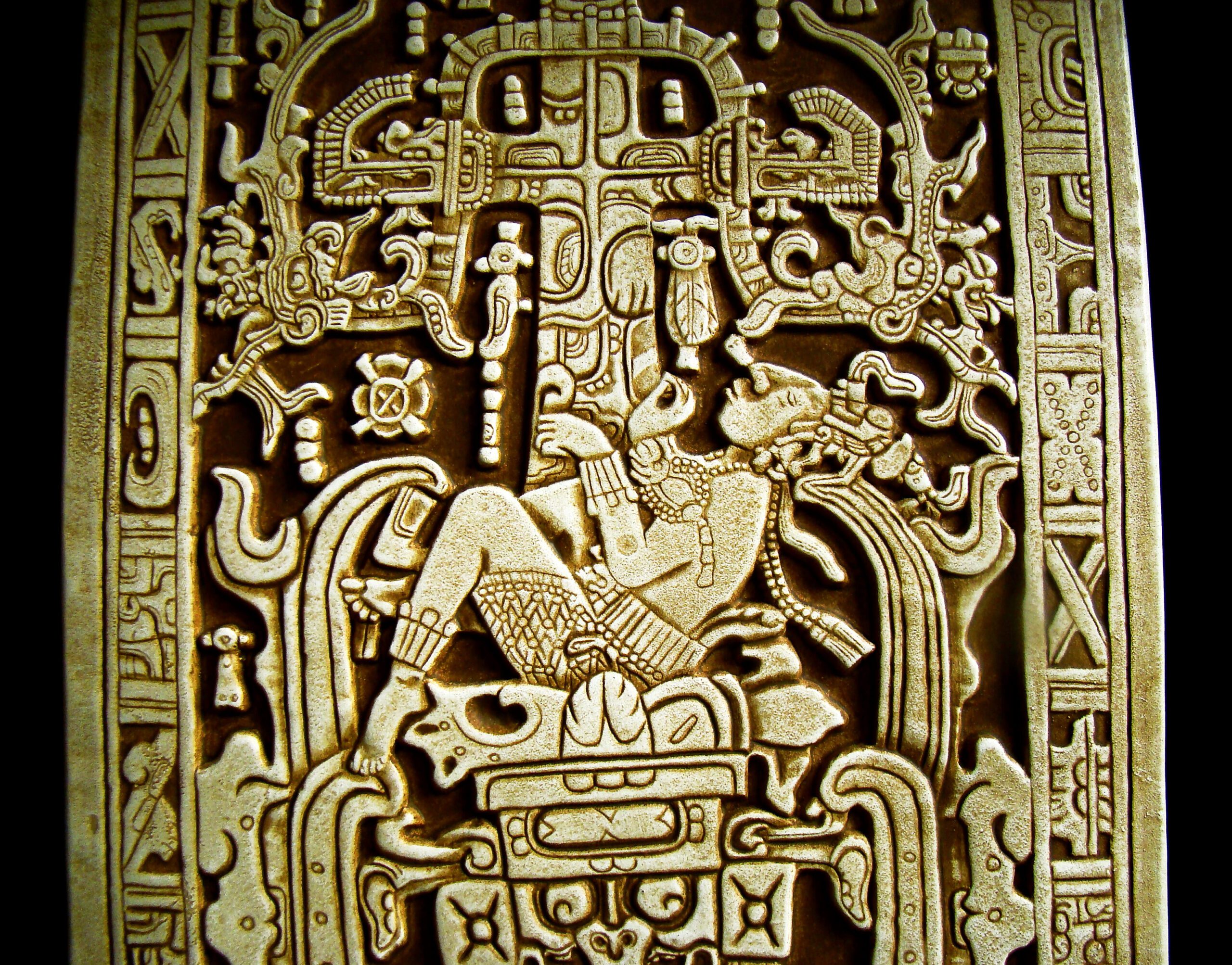
Hachakyum is a significant figure in Maya mythology, known primarily as a deity associated with the underworld and the cycles of life and death. This entity plays a crucial role in the understanding of the Maya worldview, which deeply intertwines the concepts of nature, spirituality, and the human experience. Hachakyum’s influence extends beyond mere mythology; it reflects the Maya people’s values, beliefs, and their relationship with the universe. Through various stories and symbols, Hachakyum embodies the dualities of existence, illustrating the interconnectedness of life and death, creation and destruction, and the earthly and the divine.
The Role of Hachakyum in Maya Cosmology
In the Maya cosmology, Hachakyum represents a fundamental aspect of existence. The Maya viewed the universe as a complex system of interrelated elements, where gods, humans, and nature coexisted in harmony. Hachakyum, as a deity of the underworld, is often associated with the cycle of life, symbolizing the inevitable journey every living being must undertake. This journey is not seen as a mere end but as a transition into another state of existence, which is vital for the continuity of life. The understanding of Hachakyum emphasizes the importance of respecting the natural cycles, recognizing that death is not the opposite of life, but rather a part of the same continuum.
 Kukulcan
Moreover, Hachakyum is often depicted in various Maya codices and art forms, highlighting his significance in rituals and ceremonies. These depictions serve as a reminder of the spiritual journey that every individual must face. The Maya believed that acknowledging Hachakyum and the underworld was essential for achieving balance and harmony in their lives. This belief system influenced not only their religious practices but also their agricultural cycles, social structures, and even their governance.
Hachakyum in Rituals and Ceremonies
Rituals dedicated to Hachakyum were an integral part of Maya culture, reflecting the community’s reverence for the underworld and its mysteries. These ceremonies often involved elaborate offerings, including food, incense, and sometimes even sacrificial elements, aimed at appeasing Hachakyum and ensuring a favorable relationship with the spiritual realm. Such rituals were typically conducted by shamans or priests who acted as intermediaries between the human and divine worlds. They invoked Hachakyum’s presence to seek guidance, protection, and blessings for the community.
- Offerings of food and incense were common.
- Sacrifices were sometimes made to honor Hachakyum.
- Shamans performed rituals to connect with the spiritual realm.
During these ceremonies, the community would gather to participate in the rituals, reinforcing social bonds and shared beliefs. The act of honoring Hachakyum was not only a personal endeavor but a communal one, reflecting the collective identity of the Maya people. The stories and teachings associated with Hachakyum were passed down through generations, ensuring that future generations understood the importance of respecting the cycles of nature and the inevitable journey to the underworld.
 Hun Hunahpu
Symbolism Associated with Hachakyum
Hachakyum is rich in symbolism, which reflects the Maya understanding of life, death, and rebirth. One of the most prominent symbols associated with Hachakyum is the serpent. In Maya mythology, serpents often represent transformation and renewal. This aligns with Hachakyum’s role as a deity who oversees the transition from life to death and back to life again. The serpent symbolizes the shedding of the old to make way for the new, embodying the cyclical nature of existence.
Another important symbol linked to Hachakyum is the maize plant. Maize was not only a staple food for the Maya but also a sacred element that represented life, fertility, and sustenance. The growth of maize, from seed to harvest, mirrors the cycle of life that Hachakyum governs. This connection emphasizes the belief that life is sustained through the earth and its cycles, reinforcing the idea that Hachakyum plays a crucial role in the natural order.
Hachakyum and the Underworld
The underworld, often referred to as Xibalba in Maya mythology, is a complex realm that Hachakyum oversees. This place is depicted as a dark, mysterious environment filled with challenges and trials for the souls of the deceased. The journey to Xibalba was not viewed as a punishment but rather as a necessary part of the spiritual journey. Hachakyum, as a guide, helps souls navigate this realm, ensuring they reach their final destination peacefully.
 Hunahpu
- Xibalba is portrayed as a dark, mysterious place.
- Souls face trials in the underworld.
- Hachakyum guides souls through their journey.
In many tales, Hachakyum is depicted as a wise and benevolent figure who understands the fears and uncertainties of the souls entering Xibalba. He provides comfort and guidance, reminding them that death is not an end but a transformation. This perspective is essential in the Maya belief system, as it fosters a sense of acceptance and understanding of mortality.
Hachakyum’s Influence on Maya Society
The influence of Hachakyum extends beyond religious practices; it permeates the very fabric of Maya society. The reverence for Hachakyum shaped social norms, cultural expressions, and even governance. Leaders often invoked Hachakyum’s name in their rulings, seeking legitimacy through divine association. This connection to the underworld reinforced the idea that leaders were chosen by the gods and had a responsibility to maintain harmony within their communities.
Furthermore, the teachings associated with Hachakyum encouraged a deep respect for nature and its cycles. The Maya understood that their survival depended on the land and its resources. By honoring Hachakyum and acknowledging the importance of the underworld, they cultivated a sense of stewardship over the environment. This relationship with nature was reflected in their agricultural practices, which emphasized sustainability and respect for the earth.
Art and Representation of Hachakyum
The artistic representations of Hachakyum in Maya art and iconography serve as a testament to his significance in the culture. Murals, pottery, and carvings often depict scenes related to Hachakyum and the underworld, showcasing the intricate beliefs and values of the Maya. These artworks not only provide insight into the spiritual life of the Maya but also serve as historical records of their understanding of the cosmos.
- Maya art often features scenes of Hachakyum and Xibalba.
- Artworks reflect the beliefs and values of the Maya.
- Murals and carvings serve as historical records.
In addition to traditional forms of art, contemporary interpretations of Hachakyum continue to emerge. Artists draw inspiration from ancient symbols and stories, reimagining them in modern contexts. This ongoing dialogue between past and present highlights the enduring legacy of Hachakyum and the Maya mythology as a whole.
Hachakyum and Modern Interpretations
In recent years, there has been a resurgence of interest in Maya mythology and its figures, including Hachakyum. Scholars, artists, and enthusiasts are exploring the relevance of these ancient beliefs in today’s world. Hachakyum’s teachings about the cycles of life and death resonate with contemporary discussions on environmental sustainability, mental health, and spirituality. The idea that death is a natural part of existence encourages individuals to embrace their mortality and live more fully.
Furthermore, the stories of Hachakyum offer valuable lessons about resilience and transformation. In a rapidly changing world, these narratives remind us of the importance of adapting to new circumstances and finding strength in vulnerability. By revisiting the teachings of Hachakyum, modern society can gain insights into navigating life’s challenges with grace and acceptance.
Community and Hachakyum
The communal aspect of Hachakyum’s worship is particularly relevant today. As people seek connection and meaning in their lives, the stories and rituals associated with Hachakyum provide a framework for understanding shared experiences. The collective acknowledgment of life, death, and rebirth fosters a sense of belonging and unity among individuals, transcending cultural and geographical boundaries.
- Hachakyum’s teachings resonate with modern discussions.
- Stories promote resilience and transformation.
- Community connections are reinforced through shared beliefs.
In many ways, Hachakyum serves as a bridge between the past and the present, reminding us that the lessons of ancient cultures can inform our understanding of contemporary issues. By embracing the wisdom of Hachakyum, individuals can cultivate a deeper appreciation for the interconnectedness of life and the importance of community.
Hachakyum stands as a powerful symbol within Maya mythology, representing the intricate relationship between life and death. His influence extends through rituals, art, and societal values, shaping the Maya worldview and offering timeless lessons for future generations. The ongoing exploration of Hachakyum’s significance highlights the enduring legacy of the Maya civilization and its profound understanding of the human experience.