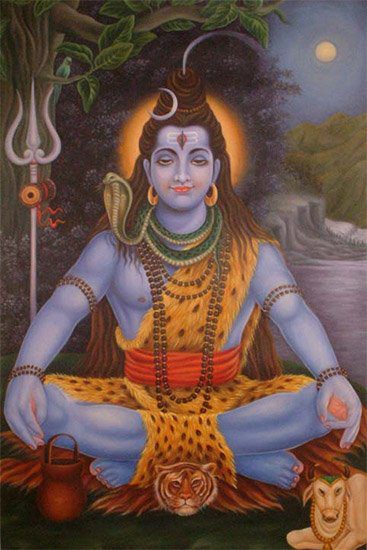
Sakata is a significant figure in Hindu mythology, often associated with various narratives and teachings that reflect the values and beliefs of the culture. In many stories, Sakata serves as a symbol of the struggles between good and evil, illustrating the eternal battle that exists in the human experience. The tales surrounding Sakata can be rich in moral lessons, providing insights into the importance of righteousness, devotion, and the consequences of one’s actions. As we delve deeper into the various aspects of Sakata, we will explore its origins, characteristics, and the lessons it imparts.
Origins of Sakata
The origins of Sakata can be traced back to ancient texts and scriptures that form the foundation of Hindu mythology. Sakata is often depicted as a demonic figure or an asura, representing the darker aspects of human nature. In many tales, Sakata is associated with the goddess Durga, who is known for her strength and ability to overcome evil forces. The stories surrounding Sakata highlight the significance of divine intervention and the power of good over evil.
 Sahadeva
One of the most prominent stories involving Sakata is found in the Ramayana. In this epic, Sakata takes the form of a powerful demon who poses a threat to the protagonists. The narrative unfolds as the heroes, guided by their unwavering faith and righteousness, confront Sakata. This confrontation symbolizes the struggle between dharma (righteousness) and adharma (unrighteousness), showcasing the importance of moral values in overcoming challenges.
Characteristics of Sakata
Sakata is often portrayed with distinct characteristics that highlight its role in Hindu mythology. One of the most notable features is its shape-shifting ability. This ability allows Sakata to transform into various forms, often to deceive and manipulate others. This characteristic serves as a reminder of the dangers of illusion and the importance of discernment in navigating the complexities of life.
In many depictions, Sakata is shown as a large, fearsome creature, embodying the traits of anger and aggression. This representation serves to evoke fear and emphasize the consequences of succumbing to negative emotions. However, beneath this fierce exterior lies a deeper lesson about the importance of self-control and the need to confront one’s inner demons. The duality of Sakata’s nature reflects the struggles that individuals face in their own lives.
 Sagara
Sakata in Popular Culture
The figure of Sakata has permeated various aspects of popular culture, inspiring numerous artistic representations and adaptations. In literature, Sakata is often portrayed in tales that explore themes of redemption and transformation. These stories resonate with audiences, as they reflect the universal human experience of grappling with inner conflicts and seeking a path towards enlightenment.
Moreover, Sakata’s influence can be seen in visual arts, such as paintings and sculptures, where the character is depicted in dynamic poses that convey its fierce nature. These artistic representations serve as a visual reminder of the ongoing battle between good and evil, inviting viewers to reflect on their own moral choices. Through these cultural expressions, Sakata remains a relevant figure, illustrating the timeless themes found in Hindu mythology.
 Sâdhyas
The Moral Lessons of Sakata
One of the most profound aspects of the stories surrounding Sakata is the moral lessons they convey. These tales often emphasize the importance of self-awareness and the need to confront one’s flaws. The character of Sakata serves as a cautionary figure, reminding individuals of the consequences of unchecked desires and negative emotions. By recognizing the potential for darkness within themselves, individuals can strive for personal growth and transformation.
Additionally, the narratives involving Sakata highlight the significance of faith and devotion. In many stories, the protagonists rely on their unwavering belief in the divine to overcome the challenges posed by Sakata. This reliance on faith serves as a powerful reminder of the strength that can be found in spirituality and the importance of seeking guidance from higher powers during difficult times.
Key Moral Lessons
- Self-awareness: Recognizing one’s flaws and working towards improvement.
- Faith and devotion: Trusting in a higher power to guide one through challenges.
- Confronting inner demons: The importance of addressing negative emotions and desires.
- Good vs. evil: The ongoing struggle between righteousness and unrighteousness.
Sakata in Festivals and Rituals
In Hindu culture, Sakata plays a role in various festivals and rituals that celebrate the triumph of good over evil. One such festival is Dussehra, which commemorates the victory of Lord Rama over the demon king Ravana. During this time, stories of Sakata are often recounted, reinforcing the themes of righteousness and the importance of standing up against evil forces.
Rituals associated with Sakata often involve prayers and offerings to deities such as Durga, who embodies the strength needed to combat negative forces. These rituals serve as a means of invoking divine protection and seeking guidance in overcoming personal challenges. The collective participation in these ceremonies fosters a sense of community and shared values, reinforcing the teachings of Sakata in everyday life.
Symbolism of Sakata
The symbolism of Sakata extends beyond its character traits and stories; it embodies the larger concepts of duality and the human experience. Sakata represents the constant battle between light and darkness, reminding individuals of the complexities of their own nature. This duality is a central theme in Hindu philosophy, where the coexistence of good and evil is acknowledged as an integral part of life.
Furthermore, Sakata serves as a metaphor for the obstacles that individuals face on their spiritual journeys. The character embodies the challenges that must be confronted and overcome in order to attain enlightenment. By engaging with the stories and lessons of Sakata, individuals can gain a deeper understanding of their own struggles and the paths they must take towards personal growth and transformation.
Modern Interpretations of Sakata
In contemporary society, the figure of Sakata continues to be interpreted and reimagined in various ways. Many modern artists, writers, and filmmakers draw inspiration from Sakata’s stories, using them as a foundation to explore current social issues and personal dilemmas. These interpretations often highlight the relevance of ancient myths in addressing contemporary challenges, bridging the gap between tradition and modernity.
Moreover, the character of Sakata has been adapted into various forms of media, including television shows, movies, and graphic novels. These adaptations serve to introduce new audiences to the rich narratives of Hindu mythology, making them accessible and relatable. By presenting Sakata in a modern context, creators are able to engage with the timeless themes of the stories while inviting reflection on the moral lessons they convey.
As we explore the multifaceted figure of Sakata, it becomes evident that its significance in Hindu mythology transcends time and culture. The stories, teachings, and symbolism associated with Sakata continue to resonate with individuals seeking understanding and guidance in their lives. Through the exploration of Sakata, we gain valuable insights into the human experience, reminding us of the importance of righteousness, self-awareness, and the eternal struggle between good and evil.