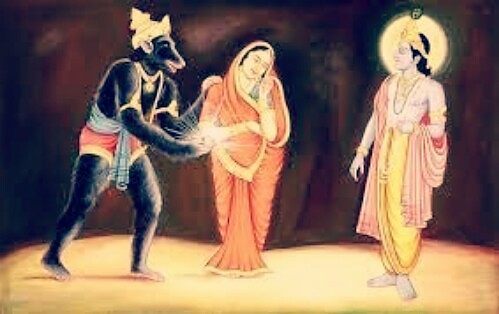
Samba is a fascinating figure in Hindu mythology, often recognized for his complex nature and the significant role he plays in various ancient texts. He is considered the son of Lord Krishna and Jambavati, and his character embodies the essence of many moral and philosophical themes found in Hindu scriptures. Samba’s story is rich and layered, providing insights into divine relationships, the struggle between good and evil, and the nature of destiny. His narrative is not just a tale of a single individual but reflects broader themes that resonate throughout Hindu teachings.
The Birth of Samba
The tale of Samba begins with his birth, which is surrounded by divine circumstances. According to the Puranas, Samba was born to Krishna and Jambavati after a series of significant events. Krishna, who is an incarnation of the god Vishnu, married Jambavati, the daughter of the king of the bears, after winning her hand in a contest. This union was not only a personal victory for Krishna but also had profound implications for the divine lineage. Samba’s birth was celebrated in the heavens, marking him as a child of destiny.
Samba’s birth is often viewed as a part of a larger narrative that includes prophecies and omens. It was foretold that he would play a crucial role in the future events concerning the Kuru dynasty. This prophecy foreshadowed the challenges and responsibilities that Samba would face as he grew up. The significance of his birth lies not only in his lineage but also in the expectations placed upon him by the gods and the universe.
 Shakti
Samba is portrayed as a character with both admirable qualities and flaws. He is often depicted as handsome, charismatic, and endowed with exceptional abilities. His charm and wit made him popular among his peers, but these traits also led him into trouble. Samba’s personality is a blend of youthful exuberance and a tendency to act impulsively. This duality makes him a relatable character, as many can identify with the struggle between duty and desire.
Despite his flaws, Samba possesses a deep sense of loyalty and devotion to his family. His relationship with his father, Krishna, is particularly notable. Samba looks up to Krishna as a role model, trying to emulate his father’s virtues while also grappling with the weight of his expectations. This dynamic creates a rich narrative that explores themes of father-son relationships, the quest for identity, and the challenges of living up to a legendary legacy.
Samba’s life is filled with numerous adventures that showcase his courage and determination. One of the most famous stories involves his encounter with the great sage Durvasa. Durvasa is known for his fiery temper and strict adherence to rules. In one tale, Samba, in his youthful arrogance, insults Durvasa, leading to dire consequences. The sage curses Samba, predicting that he will face great hardships. This incident serves as a critical turning point in Samba’s life, teaching him valuable lessons about humility and respect.
 Sakata
Another significant adventure involves Samba’s quest to capture a beautiful maiden named Lopamudra. Samba’s infatuation leads him to pursue her relentlessly, but he soon learns that love cannot be forced. His pursuit is met with challenges that test his resolve and character. This story illustrates the complexities of love and the importance of consent and mutual respect in relationships. Samba’s adventures are not just tales of heroism; they also carry deep moral lessons that resonate with the principles of Hindu philosophy.
Samba’s connection to the Kuru dynasty is one of the most significant aspects of his story. The Kuru dynasty is central to the epic Mahabharata, and Samba’s actions have far-reaching implications for the events that unfold in this great epic. His birth was prophesied to influence the future of the Kuru lineage, and as he matures, his decisions begin to shape the destiny of those around him.
As the story unfolds, Samba becomes embroiled in the conflicts that arise within the Kuru dynasty. His character serves as a bridge between the divine and mortal realms, and his actions often reflect the moral dilemmas faced by the heroes of the Mahabharata. Through Samba, we see how individual choices can have profound effects on the larger tapestry of life, highlighting the interconnectedness of all beings in the cosmic order.
 Sahadeva
The legacy of Samba extends beyond his own narrative; it influences various aspects of Hindu culture and tradition. Samba is often remembered in festivals and rituals, where his story is recounted as a means of imparting moral lessons. His character serves as a reminder of the importance of humility, respect, and the consequences of one’s actions. Samba’s life story resonates with many, offering a source of inspiration and reflection.
In modern interpretations of Hindu mythology, Samba continues to be a figure of interest. His adventures and trials are adapted into various forms of art, literature, and performance. The themes associated with Samba, such as the struggle for identity, the complexities of love, and the weight of destiny, remain relevant today. Through these adaptations, Samba’s legacy lives on, encouraging new generations to explore the depths of their own characters and the moral choices they face.
The portrayal of Samba in art and literature is varied and rich. Artists have often depicted Samba in vibrant colors, capturing his youthful spirit and the essence of his adventures. In many traditional paintings, Samba is shown in dynamic poses, symbolizing his energy and charisma. These artistic representations serve not only as a visual feast but also as a medium for storytelling, allowing viewers to connect with his narrative on a deeper level.
In literature, Samba’s story has been retold in various forms, including poems, plays, and modern novels. Writers have explored his character from different perspectives, highlighting various aspects of his personality and adventures. This literary exploration helps to keep Samba’s story alive, ensuring that new audiences can engage with his journey and learn from the lessons embedded within it. The adaptability of Samba’s narrative reflects the timeless nature of Hindu mythology and its relevance across cultures and generations.
Samba is rich in symbolism, representing various themes prevalent in Hindu mythology. One of the most significant symbols associated with him is that of duality. Samba embodies both the light and dark aspects of human nature, showcasing the struggle between virtue and vice. This duality is not just a personal struggle but reflects the broader human experience, reminding us that everyone has the capacity for both good and bad actions.
Additionally, Samba symbolizes the quest for identity and the journey of self-discovery. As he navigates the challenges of life, he learns valuable lessons about himself and his place in the world. This aspect of his character resonates with many individuals who seek to understand their own identities and the roles they play in their families and communities. Samba’s journey encourages introspection and growth, making him a relatable figure for many.
In contemporary society, the story of Samba holds significant relevance. His experiences and the lessons learned from them can be applied to modern life, where individuals often face moral dilemmas and challenges. Samba’s narrative encourages people to reflect on their actions and the impact they have on others. It serves as a reminder that every choice we make contributes to the larger narrative of our lives and the lives of those around us.
Furthermore, Samba’s story can inspire discussions about mental health and the importance of seeking support during difficult times. His trials and tribulations highlight the necessity of understanding oneself and the value of humility and compassion. In a world that often feels overwhelming, Samba’s journey offers hope and encouragement, reminding us that we are not alone in our struggles.
Samba’s character has also made its way into popular culture, where he is referenced in films, television shows, and even music. These adaptations often reinterpret his story to fit contemporary themes while retaining the essence of his character. This crossover into popular culture serves to keep Samba’s legacy alive, introducing him to new audiences who may not be familiar with traditional Hindu mythology.
Through these various mediums, Samba’s story continues to inspire and educate. The universal themes present in his narrative, such as love, conflict, and self-discovery, resonate with people from all walks of life. As society evolves, the lessons derived from Samba’s experiences remain relevant, encouraging individuals to explore their own journeys and the moral implications of their choices.
The cultural impact of Samba extends beyond literature and art; it influences religious practices and community celebrations as well. In some regions, Samba is honored during festivals, where his stories are recounted and celebrated through dance and drama. These cultural expressions serve to strengthen community bonds and keep the traditions alive, ensuring that the lessons of Samba are passed down through generations.
Moreover, Samba’s legacy can be seen in the values upheld by various communities, emphasizing the importance of respect, humility, and integrity. His character serves as a model for individuals to aspire to, promoting the idea that one can learn from their mistakes and grow into a better version of themselves. The cultural significance of Samba reinforces the notion that mythology is not just a collection of ancient tales but a living tradition that continues to shape values and beliefs in society.
Samba’s journey can also be viewed through a spiritual lens, representing the quest for enlightenment and self-realization. His adventures often reflect the struggles faced by individuals on their spiritual paths, showcasing the importance of perseverance and self-awareness. Samba’s experiences remind us that the journey towards understanding oneself is fraught with challenges, but these challenges are essential for growth and development.
The spiritual lessons embedded in Samba’s story encourage individuals to seek their own paths while remaining connected to their roots and heritage. This balance between personal exploration and communal values is vital for spiritual growth. Samba’s character serves as a beacon of hope for those on their spiritual journeys, illustrating that even amidst trials, one can find purpose and meaning.
Samba is a multifaceted character in Hindu mythology, representing a blend of adventure, moral lessons, and spiritual growth. His story is not only a tale of a divine figure but also a reflection of the human experience, with all its complexities and challenges. Through Samba, we learn about the importance of humility, respect, and the interconnectedness of all beings. His legacy continues to inspire individuals, encouraging them to explore their own identities and navigate the moral dilemmas they face in life.
The narrative of Samba serves as a reminder that mythology is a living tradition, one that evolves and adapts while retaining its core values. As we continue to explore the stories of figures like Samba, we uncover timeless lessons that resonate across cultures and generations, enriching our understanding of ourselves and the world around us.