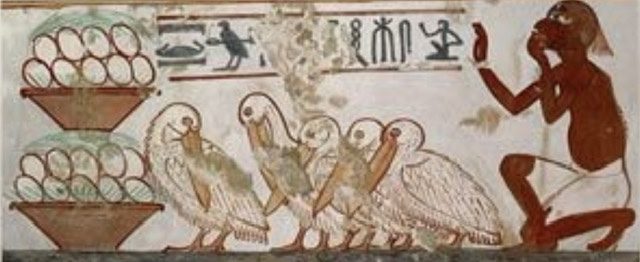
In the rich tapestry of Egyptian mythology, many deities and concepts play crucial roles in the understanding of the ancient Egyptian worldview. Among these, Henet stands out as a lesser-known but significant figure. Henet is often associated with the concept of fertility and the abundance of life. In ancient Egyptian culture, fertility was not only about human reproduction but also about the growth of crops and the overall health of the land. Thus, Henet’s role transcended mere mythology and touched the very fabric of everyday life in ancient Egypt.
Who is Henet?
Henet is primarily recognized as a goddess of fertility and is often depicted as a woman who has a unique connection to the natural world. She is sometimes shown with a symbol that represents fertility, such as a seed or a grain. This imagery underscores her association with the earth and agriculture, highlighting her importance in the cycle of life. The Egyptians believed that without the blessings of deities like Henet, their crops would fail, and their families would suffer.
 Hemsut
In ancient texts, Henet is often mentioned alongside other fertility deities, such as Hathor and Osiris. While Hathor is well-known for her associations with love and joy, Henet’s focus is more on the practical aspects of fertility, such as the growth of crops and the health of livestock. This distinction is vital, as it showcases the various dimensions of fertility in Egyptian thought.
The Symbolism of Henet
The symbolism associated with Henet is rich and varied. One of the most important symbols linked to her is the lotus flower, which is a powerful emblem in Egyptian culture. The lotus represents rebirth and the cycle of life, blooming beautifully despite growing in muddy waters. This symbolism aligns with Henet’s role in promoting fertility and the continuation of life. Just as the lotus rises from the mud, so too do the crops rise from the earth, nourished by the divine influence of Henet.
Moreover, Henet is sometimes depicted with a sistrum, a musical instrument associated with fertility and joy. This connection emphasizes the idea that fertility brings happiness and abundance. The sound of the sistrum was believed to attract positive energies and divine blessings, further reinforcing Henet’s role as a goddess who facilitates growth and prosperity.
 Hemen
HemenHenet and Agriculture
Agriculture was the backbone of ancient Egyptian society, and Henet played a crucial role in ensuring its success. The annual flooding of the Nile was vital for the fertility of the land, and it was believed that the gods influenced this natural cycle. Henet, as a goddess of fertility, was often invoked during planting and harvest times. Farmers would pray for her blessings, hoping for a bountiful yield.
The rituals associated with Henet were often elaborate. They included offerings of food, grain, and flowers, which were placed in fields to honor her. These offerings were meant to appease Henet and ensure her continued favor. In many ways, the ancient Egyptians saw their relationship with Henet as a partnership; they worked the land, and in return, they sought her blessings for a fruitful harvest.
Henet in Religious Practices
Henet’s role in religious practices was significant, especially in rural areas where agriculture was the primary livelihood. Temples dedicated to fertility deities often featured rituals honoring Henet. These rituals were typically performed by priests and involved prayers, chants, and offerings. The community would gather to participate in these ceremonies, reinforcing the importance of Henet in their daily lives.
 Heka
HekaOne common practice involved the creation of small altars in fields, where farmers would place images of Henet or symbols associated with her. This act served as a physical reminder of her presence and influence in their lives. By doing so, they believed they could establish a direct connection with the goddess, seeking her blessings for their crops and livestock.
Henet’s Family and Relationships
In the pantheon of Egyptian deities, family ties were crucial. Henet is sometimes considered to be a companion or aspect of other fertility deities, such as Hathor. These relationships often highlighted the interconnectedness of various aspects of life and nature. For instance, while Hathor might embody the joy of motherhood, Henet represents the physical aspect of fertility necessary for life.
Furthermore, Henet’s relationship with other gods, like Osiris, emphasizes her importance in the cycle of life and death. Osiris, known as the god of the afterlife, also has strong ties to agriculture and rebirth. This connection showcases the holistic view the ancient Egyptians had regarding life, death, and the natural world. Henet, as a goddess of fertility, plays a vital role in ensuring that life continues, making her an essential figure in the overall mythological framework.
Henet in Art and Literature
Artistic representations of Henet are relatively rare compared to more prominent deities, but they still provide valuable insights into her character and significance. In ancient Egyptian art, Henet is often depicted in scenes related to agriculture, showcasing her as a nurturing figure who oversees the growth of crops. These depictions usually highlight her feminine form, symbolizing the nurturing aspect of fertility.
In literature, Henet is sometimes mentioned in hymns and prayers dedicated to fertility deities. These texts often express gratitude for the blessings of fertility and abundance, underscoring the importance of her role in the daily lives of the ancient Egyptians. Such writings reveal the deep reverence the people had for Henet and other fertility deities, reflecting their reliance on divine support for their agricultural practices.
Modern Interpretations of Henet
In contemporary times, interest in Egyptian mythology has grown significantly. Scholars and enthusiasts alike have revisited figures like Henet to understand their roles within the broader context of ancient Egyptian beliefs. Modern interpretations often focus on the themes of fertility and abundance, drawing parallels between ancient practices and contemporary agricultural concerns.
Additionally, Henet’s symbolism as a goddess of fertility has resonated with modern movements that emphasize sustainability and the importance of nurturing the earth. Her image serves as a reminder of the interconnectedness of life and the importance of respecting natural cycles. This relevance in today’s context highlights how ancient deities continue to inspire and inform contemporary discussions about agriculture and environmental stewardship.
The Legacy of Henet
The legacy of Henet, though not as widely recognized as that of other Egyptian deities, remains significant in understanding the ancient Egyptian worldview. Her role as a goddess of fertility encapsulates the essential connection between humans and the natural world. The reverence for fertility deities like Henet reflects a broader cultural understanding of the cycles of life, death, and rebirth that permeated ancient Egyptian thought.
As modern scholars continue to explore Egyptian mythology, figures like Henet serve as reminders of the complex relationships that ancient cultures had with their environment. By studying Henet and her symbolism, we gain insights into the values and beliefs that shaped one of the world’s earliest civilizations. Her legacy continues to inspire discussions about fertility, agriculture, and the importance of maintaining a harmonious relationship with nature.
Conclusion: The Importance of Henet in Egyptian Mythology
In the grand narrative of Egyptian mythology, Henet occupies a unique space as a goddess of fertility and abundance. Her associations with agriculture, natural cycles, and the nurturing aspects of life reflect the ancient Egyptians’ deep connection to their land and environment. By understanding Henet, we not only learn about a lesser-known deity but also gain insights into the cultural and spiritual practices that defined ancient Egyptian society.
Henet’s story is a testament to the rich mythology of Egypt, where every deity plays a role in the intricate web of life, death, and rebirth. Her legacy, though quieter than that of more prominent gods and goddesses, remains an essential part of the understanding of ancient Egyptian spirituality and the values that shaped their civilization.