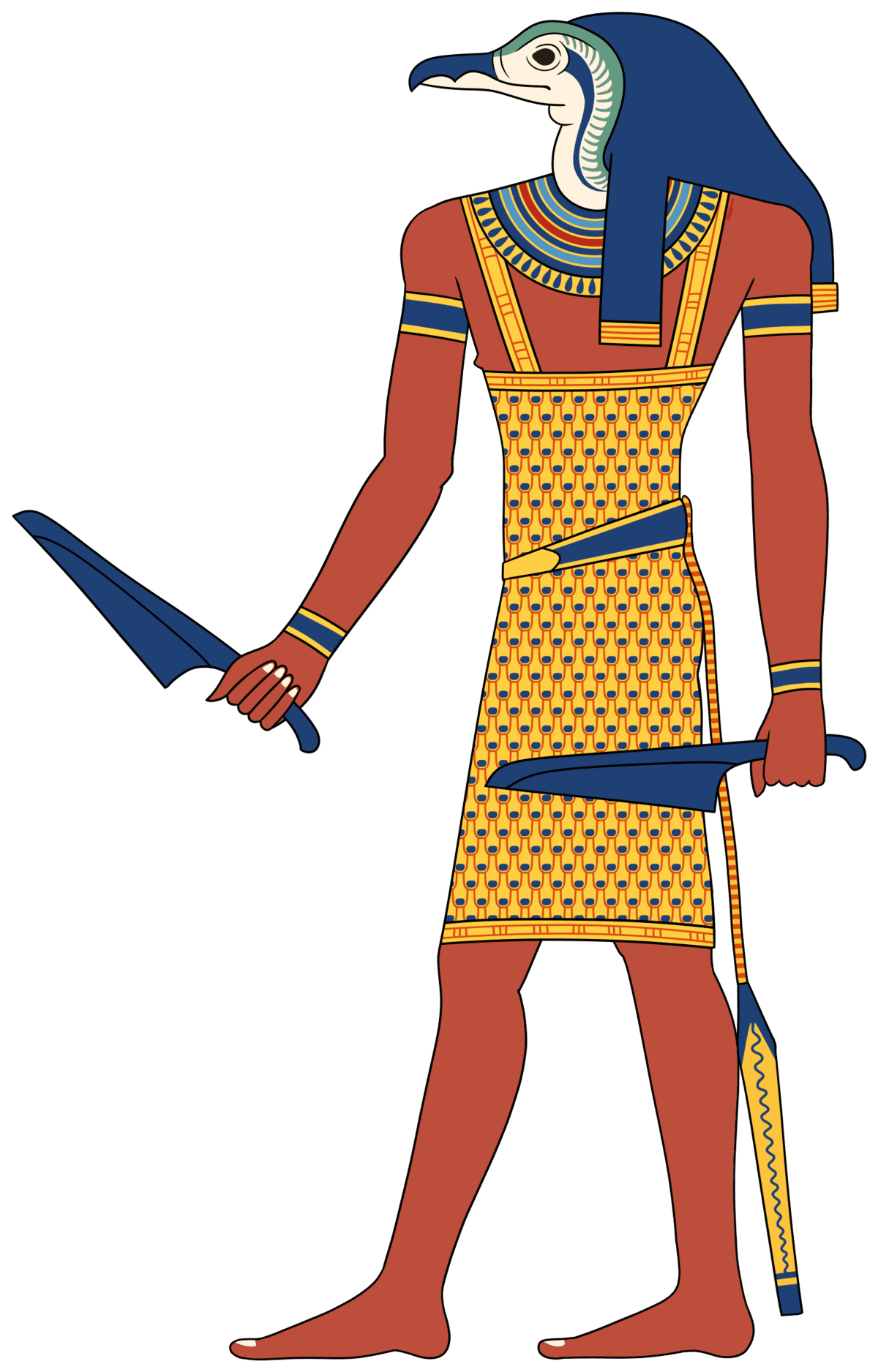
In the rich tapestry of Egyptian mythology, there are many deities that played significant roles in the beliefs and practices of ancient Egyptians. One such deity is Sesmu, a lesser-known but intriguing figure in the pantheon of gods. Sesmu is primarily recognized as a god of the flesh and is associated with the sacrificial offerings made to the gods. His role in the afterlife and the sustenance of the deceased is crucial in understanding ancient Egyptian rituals and beliefs.
The Role of Sesmu in Egyptian Mythology
Sesmu’s primary function was to provide nourishment for the gods and the deceased. In the ancient Egyptian belief system, it was essential to ensure that the gods were satisfied through offerings. These offerings were not just physical gifts but also represented the sustenance that the gods required. Sesmu was believed to oversee these offerings, particularly those involving meat. This made him a vital part of the religious rituals that took place in temples and during funerary practices.
 Seshat
In many texts, Sesmu is depicted as a flesh butcher, which symbolizes his association with the preparation of offerings. His presence in the temples was essential, as he was responsible for ensuring that the meat offered to the gods was suitable and properly prepared. The act of butchering was seen as sacred, and Sesmu’s role in this process underscored the importance of cleanliness and ritual purity in ancient Egyptian society.
Iconography of Sesmu
Sesmu is often depicted in ancient Egyptian art in a way that highlights his unique attributes. He is typically shown with a head of a lion or a human head with lion-like features, which emphasizes his strength and ferocity. This imagery is not only striking but also serves to remind worshippers of his power and authority over the life-giving aspects of meat. In some representations, he is shown holding a knife or a cleaver, tools of his trade that signify his role as a butcher.
 Sopdu
SopduAdditionally, Sesmu is sometimes depicted alongside other deities, which reflects his importance in the broader context of Egyptian mythology. He is often associated with Osiris, the god of the afterlife, as both figures play significant roles in the sustenance and care of the deceased. This connection further emphasizes the importance of offerings in ensuring a successful journey to the afterlife for the souls of the departed.
Sesmu and the Afterlife
The ancient Egyptians placed a great emphasis on the afterlife, believing it to be a continuation of life on earth. Sesmu played a crucial role in this belief system by providing the necessary offerings that would sustain the souls of the deceased in their journey through the underworld. The offerings made to the gods were believed to be essential for the deceased to receive protection and nourishment in the afterlife.
During funerary rituals, the role of Sesmu became particularly significant. The preparation of the deceased’s body often involved the use of meat, which was believed to be a vital source of sustenance for the soul. Sesmu’s involvement in these rituals ensured that the offerings were made correctly and that the deceased would be adequately nourished in the afterlife. This belief in the necessity of offerings highlights the deep connection between the living and the dead in ancient Egyptian culture.
 Sepa
SepaRituals and Offerings Associated with Sesmu
Rituals dedicated to Sesmu often involved the preparation and presentation of meat offerings. These rituals were performed in temples and during important festivals. The priests who acted on behalf of the people would conduct these ceremonies, ensuring that the offerings were made according to the prescribed rituals. This was crucial, as any deviation could result in the displeasure of the gods.
- Animal Sacrifices: Animals, particularly cattle and birds, were often sacrificed during these rituals. The act of sacrifice was believed to purify the offerings and make them acceptable to the gods.
- Preparation of Offerings: After the sacrifice, the meat would be carefully prepared and presented on altars. This process was conducted with great reverence, as it was believed to invoke the blessings of Sesmu.
- Feasting: In some cases, after the offerings were made, the priests and worshippers would partake in a feast, symbolizing their connection with the divine.
These rituals not only honored Sesmu but also reinforced the social and religious structures of ancient Egyptian society. They served to unite the community in worship and provided a means of connecting with the divine through shared practices and beliefs.
Myths and Stories Involving Sesmu
While Sesmu is not as prominently featured in myths as other deities, there are stories that highlight his importance. One such story involves the rebirth of Osiris, where Sesmu’s role as a provider of flesh becomes critical. In the myth, Osiris is killed and dismembered by his brother Set. It is believed that Sesmu provided the necessary offerings to help Osiris regain his strength and ultimately be resurrected.
This story underscores the interconnectedness of the gods and the importance of offerings in the cycle of life and death. It illustrates how Sesmu’s role as a provider of nourishment extends beyond mere offerings to the gods; it also plays a crucial part in the myths surrounding the afterlife and resurrection. Through his actions, Sesmu facilitates the continuation of life, both for the gods and the deceased.
Sesmu in the Context of Other Deities
To fully understand Sesmu’s significance, it is essential to explore his relationships with other deities in the Egyptian pantheon. He is often associated with Osiris, the god of the afterlife, and Anubis, the god of mummification and the dead. Together, these deities form a triad that emphasizes the importance of nourishment, protection, and the journey of the soul after death.
In this context, Sesmu’s role as a provider of offerings complements the functions of Osiris and Anubis. While Osiris is concerned with the overall well-being of the deceased in the afterlife, Anubis focuses on the mummification process and ensuring that the soul is guided correctly. Sesmu’s contributions through the provision of flesh and offerings serve to strengthen the bond between the living and the dead, highlighting the communal aspect of worship and the shared responsibility of ensuring a successful journey to the afterlife.
Modern Interpretations of Sesmu
In contemporary times, the study of ancient Egyptian mythology, including the figure of Sesmu, has gained renewed interest. Scholars and enthusiasts alike are exploring the significance of lesser-known deities and their roles within the larger context of Egyptian beliefs. This modern exploration has led to a greater appreciation of the complexity and richness of the ancient Egyptian pantheon.
Today, Sesmu is often discussed in academic circles, particularly in relation to rituals and offerings in ancient religions. His role as a god of flesh and offerings is being examined not only within the context of Egyptian mythology but also in comparison with similar deities from other cultures. This comparative approach allows for a deeper understanding of the universal themes of sacrifice, nourishment, and the afterlife.
Sesmu’s Influence on Popular Culture
Although Sesmu is not as widely recognized as other Egyptian deities, his influence can still be seen in various forms of popular culture. Books, movies, and video games that explore ancient Egyptian themes often reference lesser-known gods, including Sesmu. This representation helps to introduce audiences to the richness of Egyptian mythology and encourages further exploration of its complex narratives.
Moreover, the portrayal of Sesmu as a god associated with nourishment and sacrifice can resonate with modern audiences, particularly in discussions about the significance of food in cultural and religious practices. This connection between ancient beliefs and contemporary themes underscores the lasting impact of Egyptian mythology on our understanding of spirituality and community.
The Legacy of Sesmu in Egyptian Religion
Sesmu’s legacy is woven into the fabric of ancient Egyptian religion, where his role as a provider of nourishment highlights the importance of offerings and rituals in maintaining the relationship between the living and the divine. His presence in temples and funerary practices illustrates the communal aspects of worship, where the act of giving and receiving sustenance becomes a shared responsibility.
The rituals associated with Sesmu not only served to appease the gods but also reinforced the social structures of ancient Egyptian society. They created a sense of belonging and unity among the worshippers, emphasizing the collective nature of religious practices. This communal aspect is a testament to the enduring influence of Sesmu and the importance of his role in the religious landscape of ancient Egypt.
Conclusion: The Importance of Sesmu in Understanding Egyptian Mythology
In examining the figure of Sesmu, we gain valuable insights into the beliefs and practices of ancient Egyptians. His role as a god of flesh and offerings underscores the significance of nourishment in both life and death. The rituals dedicated to him highlight the importance of community and shared responsibilities in maintaining the relationship between the living and the divine.
As we continue to explore the complexities of Egyptian mythology, Sesmu serves as a reminder of the rich tapestry of beliefs that shaped the lives of ancient Egyptians. His contributions to the understanding of the afterlife, rituals, and the interconnectedness of deities reveal the profound depth of this ancient culture and its enduring legacy.