
The Spercheus River holds a significant place in Greek mythology, often associated with various legends and stories that highlight its importance to ancient Greeks. Located in the region of Thessaly, this river was not only a geographical landmark but also a symbol of life and fertility. The river was named after Spercheus, a river god who was revered by the locals. His character embodies the natural forces of water, which were essential for agriculture and survival in the ancient world. In this article, we will explore the mythology surrounding Spercheus, his connections to various deities, and the cultural significance of the river in ancient Greece.
Origins of Spercheus
The origins of Spercheus can be traced back to the ancient texts and stories that depict the river as a divine entity. In many myths, Spercheus is described as a son of the primordial god Oceanus and the goddess Tethys. These parents were often associated with the vast waters that covered the earth, making Spercheus a significant figure among the river gods. The myths often illustrate how Spercheus came to be a protector of the river, embodying its flowing nature and nurturing qualities.
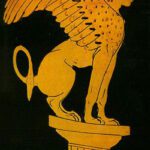 Sphinx-
In some versions of the myth, Spercheus is also linked to the hero Achilles. According to these stories, the river played a crucial role during the Trojan War. Achilles, known for his incredible strength and combat skills, was said to have bathed in the waters of Spercheus to gain invulnerability. This connection highlights the river’s role not just as a physical entity but as a source of strength and transformation for the heroes of ancient Greece.
Spercheus and the Trojan War
The connection between Spercheus and the Trojan War is a fascinating aspect of Greek mythology. During this epic conflict, various heroes sought divine intervention and strength from the gods and natural elements. Achilles, one of the most renowned warriors, was particularly associated with Spercheus. The river’s waters were believed to possess healing properties, making them a site of great importance for the Greek heroes.
In the myths, Achilles is said to have been submerged in the waters of Spercheus by his mother, Thetis, to make him invincible. However, she held him by his heel, leaving that part vulnerable. This story not only emphasizes the river’s significance but also highlights the themes of strength and vulnerability that permeate Greek mythology. The river thus becomes a symbol of transformation, where heroes are forged and their fates are determined.
 Sterope
Role of the River in the War
- Healing Properties: The waters of Spercheus were believed to have the power to heal wounds, making them essential for the injured warriors.
- Symbol of Strength: The river represented the strength that the heroes sought, a reminder of the natural forces that could aid them in battle.
- Connection to the Divine: Many heroes sought blessings from the river god, hoping to gain favor in their endeavors.
Throughout the war, the river served as a backdrop for many significant events. It witnessed the struggles of the heroes, the cries of the fallen, and the triumphs of those who emerged victorious. The significance of Spercheus in these tales illustrates how the natural world was intertwined with the lives of mortals, emphasizing the belief that the gods and nature were always present in their daily lives.
Spercheus and Other Deities
Spercheus was not only a river god but also part of a larger pantheon of deities in Greek mythology. His interactions with other gods and goddesses reveal the interconnectedness of various mythological figures. For instance, Spercheus was often associated with Poseidon, the god of the sea. This connection is significant, as both figures represent different aspects of water and its importance in Greek culture.
Poseidon, known for his control over the oceans and earthquakes, often influenced the rivers and lakes. The relationship between Spercheus and Poseidon illustrates how the Greeks viewed water as a powerful and sometimes unpredictable force. This duality is reflected in the myths, where rivers could bring both life and destruction, depending on the will of the gods.
 Stheno
Interactions with Other Gods
- Hades: Some myths suggest that the waters of Spercheus were also a boundary between the living and the dead, connecting it to Hades.
- Aphrodite: The river was sometimes linked to love and beauty, with stories of Aphrodite bathing in its waters.
- Demeter: As a goddess of agriculture, Demeter’s connection to the river emphasizes its role in fertility and growth.
These interactions highlight the multifaceted nature of Spercheus in the realm of Greek mythology. He is not just a river but a part of a complex web of relationships among the gods. This interconnectedness emphasizes the importance of nature and its influence on human life, a common theme in many ancient myths.
Cultural Significance of Spercheus
The cultural significance of Spercheus extended beyond mythology and into the daily lives of the ancient Greeks. Rivers were often seen as vital resources for communities, providing water for drinking, agriculture, and transportation. The Spercheus River, in particular, was crucial for the people of Thessaly, who relied on its waters for irrigation and sustenance.
In addition to its practical uses, the river also held a spiritual and religious significance. Many ancient Greeks performed rituals and sacrifices at the riverbanks, seeking the favor of Spercheus and other deities associated with water. These practices reflected a deep respect for the natural world and an understanding of the interconnectedness of life, water, and the divine.
Rituals and Festivals
- Water Sacrifices: Rituals often involved offerings made to the river to ensure a good harvest and safe travels.
- Festivals: Local festivals celebrated the river, highlighting its importance in agriculture and community life.
- Prayers: Many prayed for protection and blessings while near the river, acknowledging its power.
These rituals not only served practical purposes but also reinforced the community’s connection to the natural world. The Spercheus River became a central figure in their spiritual lives, representing the blessings of nature and the need to honor those forces that sustain life.
Spercheus in Literature and Art
The influence of Spercheus extends into various forms of literature and art throughout ancient Greek history. Poets and playwrights often referenced the river in their works, using it as a symbol of both beauty and danger. The river’s flowing waters were a metaphor for the passage of time, the struggles of life, and the inevitability of fate.
In literature, Spercheus is frequently mentioned in epic poems, where it serves as a backdrop for heroic deeds and tragic events. The river’s character is depicted as both nurturing and powerful, embodying the duality of nature. Artists also drew inspiration from the river, creating sculptures and paintings that celebrated its beauty and significance in Greek culture.
Representations in Art
- Sculptures: Many ancient sculptures depict river gods, including Spercheus, often showcasing their connection to nature.
- Paintings: Artists portrayed scenes of heroes interacting with the river, emphasizing its role in their stories.
- Literary Works: Epic poems often include references to the river, highlighting its importance in the lives of the characters.
The artistic representations of Spercheus illustrate the profound impact the river had on the cultural and spiritual lives of the ancient Greeks. Through various mediums, they expressed their reverence for the river and its significance in their mythology and daily existence.
Modern Interpretations of Spercheus
Today, the legacy of Spercheus continues to resonate in modern interpretations of Greek mythology. Scholars and enthusiasts alike explore the river’s significance in historical texts, analyzing its role in the broader context of Greek culture. Many modern retellings of ancient myths incorporate the river, highlighting its importance in shaping the narratives of heroes and gods.
Additionally, the physical river still exists in Greece, serving as a reminder of the rich history and mythology associated with it. Modern visitors often seek out the Spercheus River to experience its beauty and understand its significance in the ancient world. This connection to the past allows for a deeper appreciation of the myths and legends that have shaped Greek culture.
Educational Significance
- Mythology Studies: The river serves as a focal point in the study of Greek mythology, offering insights into ancient beliefs.
- Tourism: Modern tourism often highlights the river’s historical significance, attracting visitors interested in mythology.
- Environmental Awareness: The river’s health and preservation are crucial for understanding ancient practices and their relevance today.
As we explore the stories and significance of Spercheus, we gain a greater understanding of how the ancient Greeks viewed the world around them. The river serves as a bridge between the past and present, allowing us to connect with the myths and legends that continue to inspire and educate us today.