
The concept of Himmapan is deeply rooted in Thai mythology, representing a mythical forest that is filled with extraordinary creatures and rich symbolism. This enchanting realm is often depicted in various forms of Thai art, literature, and culture, reflecting the rich tapestry of beliefs and traditions that have evolved over centuries. Himmapan is not just a place; it embodies the intersection of the natural and supernatural, where the ordinary meets the extraordinary. The forest is a sanctuary for mythical beings, and its stories continue to inspire and captivate the imagination of people in Thailand and beyond.
Origins of Himmapan
The origins of Himmapan can be traced back to ancient texts and folklore, which often intertwine with Hindu and Buddhist beliefs. It is believed that the name ‘Himmapan’ derives from the Sanskrit word ‘Himalaya,’ symbolizing a place of high mountains and divine significance. The forest is often depicted as a mystical realm, situated at the foothills of the Himalayas, where gods and spirits dwell. This connection to the mountains adds to its allure, as it signifies a place that is both sacred and remote, accessible only to those who possess the right qualities or virtues.
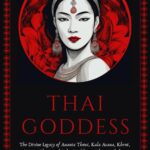 Ananta Thewi
In Thai mythology, Himmapan is described as a lush and vibrant forest, filled with a variety of flora and fauna, many of which are not found in the real world. The narratives surrounding this forest often serve as allegories, teaching moral lessons and reflecting the values of Thai society. The stories of Himmapan are passed down through generations, often narrated by elders or depicted in traditional performances, ensuring that the rich heritage of this mythical place remains alive in the hearts of the people.
Mythical Creatures of Himmapan
One of the most fascinating aspects of Himmapan is its diverse array of mythical creatures. These beings are often hybrids, combining features from different animals and humans, and each holds a unique significance within the mythology. Some of the most notable creatures include the Garuda, a bird-like creature that is a symbol of power and strength, and the Naga, a serpent-like being that represents water and fertility. These creatures are not just fantastical beings; they embody various aspects of nature and human characteristics, teaching lessons about balance and harmony.
- Garuda: Often depicted as a large bird, Garuda is known for its speed and ferocity. In Thai culture, it is also a symbol of royalty and is associated with the king.
- Naga: This serpent-like creature is often associated with water and is believed to be a protector of rivers and lakes. Nagas are also seen as symbols of fertility and prosperity.
- Kraken: A creature resembling a giant octopus, the Kraken symbolizes the mysteries of the ocean and the unknown depths of the sea.
These creatures play a significant role in the stories of Himmapan, often interacting with humans and other beings. They are not merely monsters or beings to be feared; instead, they embody the duality of nature, representing both the beauty and danger that exist in the world. Through these interactions, the myths convey important messages about respect for nature and the interconnectedness of all living things.
 Agat-talai
The Symbolism of Himmapan
The symbolism embedded within Himmapan is profound and multi-layered. The forest is often seen as a representation of the human psyche, with its dense foliage symbolizing the complexities of thoughts and emotions. Just as one must navigate through the forest to find clarity, individuals must journey through their own minds to achieve understanding and peace. This analogy resonates deeply in Thai culture, where the search for inner harmony is highly valued.
Furthermore, Himmapan serves as a metaphor for the spiritual journey. The mythical forest is a place where individuals can encounter challenges and trials, much like the obstacles faced in life. The creatures within Himmapan often act as guides or guardians, helping those who seek enlightenment or wisdom. This journey is not just physical but also spiritual, encouraging individuals to reflect on their values and beliefs.
 Wat Pho
Himmapan in Thai Art and Literature
Himmapan has had a significant impact on Thai art and literature, serving as a source of inspiration for countless artists and writers throughout history. The forest and its mythical inhabitants are frequently depicted in traditional paintings, sculptures, and temple murals. These artworks often illustrate scenes from the myths, bringing the stories to life and making them accessible to the public. The vibrant colors and intricate details capture the imagination, allowing viewers to immerse themselves in the enchanting world of Himmapan.
In literature, Himmapan is a recurring theme in poetry and storytelling. Many Thai authors have drawn upon the imagery and symbolism of the forest to explore complex themes such as love, loss, and the search for identity. The stories set in Himmapan often blend reality with fantasy, reflecting the rich oral traditions of Thai culture. Through these narratives, readers are invited to explore the depths of their own emotions and experiences, drawing parallels between the mythical and the real.
The Role of Himmapan in Thai Culture
The significance of Himmapan extends beyond mythology and art; it plays a crucial role in Thai culture and identity. The stories and symbols associated with Himmapan are woven into the fabric of Thai life, influencing festivals, rituals, and daily practices. For instance, during traditional ceremonies, elements of Himmapan are often incorporated to invoke blessings and protection from the mythical beings that reside within the forest.
Moreover, Himmapan serves as a reminder of the importance of nature and the environment. The lush landscapes of the mythical forest inspire a deep appreciation for the natural world, encouraging people to protect and preserve their surroundings. This connection to nature is evident in various aspects of Thai culture, from agriculture to spirituality, highlighting the intrinsic relationship between the people and their environment.
Modern Interpretations of Himmapan
In contemporary times, the concept of Himmapan has evolved, finding new expressions in modern media and popular culture. Films, television shows, and literature often reference the mythical forest, introducing its enchanting elements to a new generation. These modern interpretations aim to preserve the essence of Himmapan while making it relatable to contemporary audiences. This adaptation is essential for keeping the mythology alive and relevant in a rapidly changing world.
Additionally, artists and creators continue to explore the themes of Himmapan, incorporating them into various forms of expression. From fashion to digital art, the imagery of the mythical forest and its creatures can be seen in many creative endeavors. This resurgence of interest not only honors the traditional narratives but also invites discussions about the significance of mythology in today’s society.
Himmapan and Spirituality
Himmapan is often associated with spirituality and the quest for enlightenment. The forest is viewed as a sacred space, where one can connect with the divine and seek guidance from the mythical beings that inhabit it. In Thai Buddhism, the journey through Himmapan is likened to the path of self-discovery and spiritual growth. The forest symbolizes the obstacles one must overcome to attain a higher state of consciousness.
Many spiritual practices in Thailand incorporate elements of Himmapan, using its symbolism to facilitate meditation and reflection. The creatures of the forest are often invoked in prayers and rituals, serving as protectors and guides on one’s spiritual journey. This connection to Himmapan reinforces the idea that spirituality is not a solitary endeavor but a communal experience that is enriched by the wisdom of others.
The legacy of Himmapan continues to thrive, as it remains an integral part of Thai mythology and culture. The forest and its mythical creatures serve as a source of inspiration, reflection, and understanding for people of all ages. As the world evolves, the stories and symbolism of Himmapan remind us of the importance of connection—whether it be to nature, our spiritual selves, or each other. Through the lens of Himmapan, we are encouraged to explore the depths of our own experiences and find meaning in the journey of life.