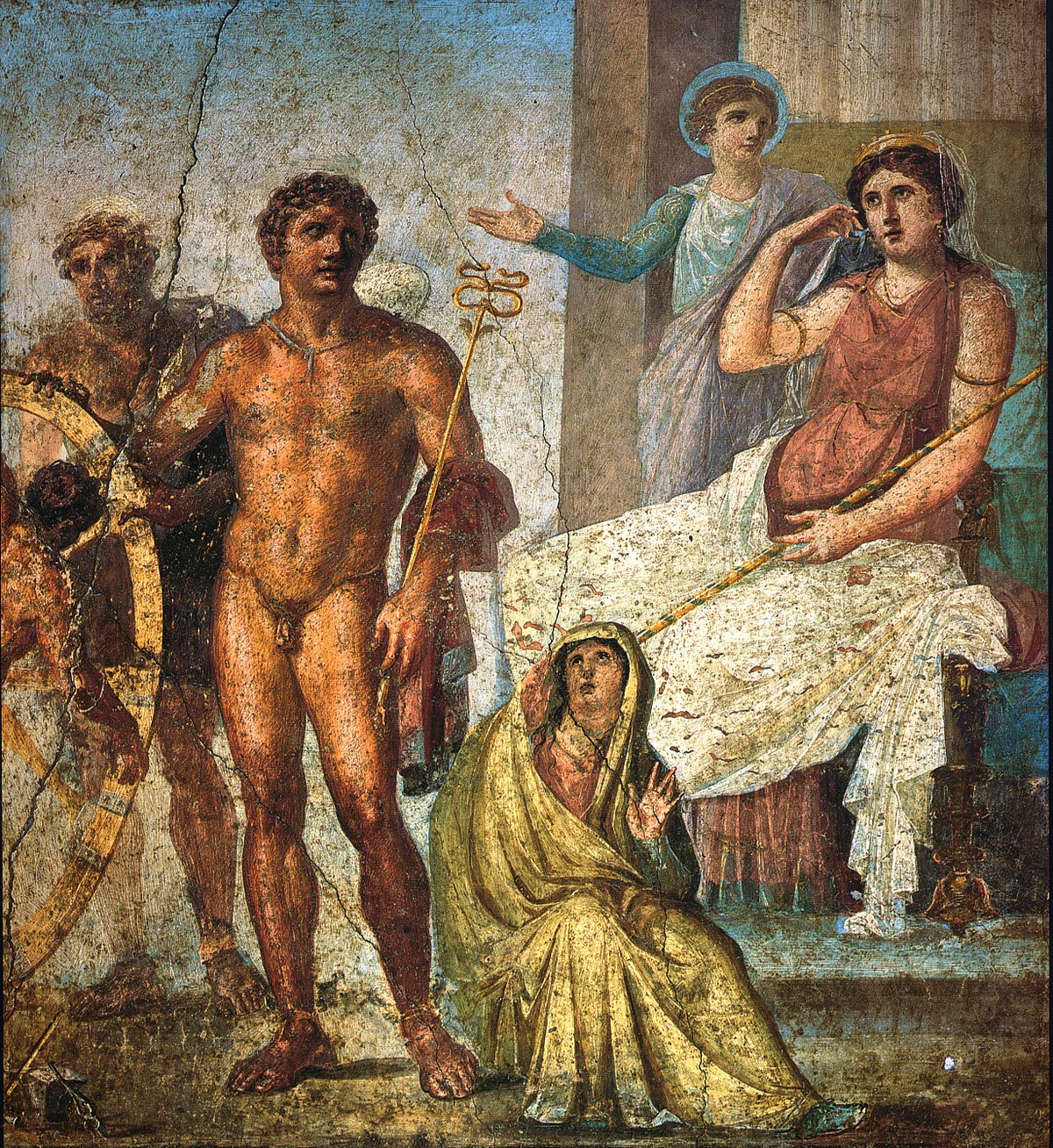
Nephele is a fascinating figure in Greek mythology, often associated with clouds and the ethereal qualities of the sky. Her name itself derives from the Greek word for “cloud,” which perfectly encapsulates her essence. Nephele is primarily known for her role as the mother of the hero Phrixus and the tragic figure Helle. These two children play significant roles in various myths, particularly the story of the Golden Fleece. Nephele’s story intertwines with themes of love, betrayal, and the intervention of the gods, making her an intriguing character worth exploring.
The Origins of Nephele
Nephele’s origins are steeped in the rich tapestry of Greek mythology. She was created by the king of the gods, Zeus, as a response to the need for a cloud-like figure that could embody the ethereal beauty of the skies. This creation is often seen as a reflection of Zeus’s ability to shape reality according to his desires. Nephele is depicted as a beautiful and gentle figure, embodying the softness of clouds. Her presence in the myths serves to illustrate the connection between the divine and the mortal world, as well as the ways in which gods interact with humanity.
 Nereids
In many myths, Nephele’s form is described as being both luminous and translucent, resembling the delicate wisps of clouds that float across the sky. Her beauty is not just physical; it also represents the nurturing and protective qualities associated with clouds. Just as clouds provide shade and rain, Nephele’s character embodies the nurturing aspect of motherhood, especially in her relationship with her children, Phrixus and Helle. The duality of her nature—both nurturing and ethereal—adds depth to her character and enhances her role in the myths.
Nephele and Her Children
Nephele’s most notable contributions to Greek mythology come through her children, Phrixus and Helle. Phrixus, the son of Nephele and Athamas, plays a crucial role in the quest for the Golden Fleece. According to the myths, Phrixus and Helle faced a grave danger from their father, who had been deceived by a new wife, Ino. Ino plotted to eliminate Phrixus and Helle, seeking to secure her own children’s inheritance. To save them, Nephele intervened by sending a magnificent golden ram to rescue her children.
This golden ram, often referred to as the Golden Fleece, becomes a central element in the story of Jason and the Argonauts. The ram carried Phrixus and Helle away to safety, but tragedy struck when Helle fell into the sea, which was thereafter named the Hellespont in her honor. Phrixus, however, managed to reach safety and ultimately sacrificed the ram to Zeus, dedicating its fleece to the god. This act of devotion highlights the themes of sacrifice and the strong connection between the divine and the mortal realms in Greek mythology.
 Nereus
The Role of Nephele in Greek Myths
Nephele’s role in Greek mythology extends beyond her motherhood. She serves as a symbol of the protective aspects of nature and the divine intervention that often characterizes Greek myths. Her presence in the stories is a reminder of the complexities of familial relationships and the ways in which the gods influence human lives. Nephele’s actions demonstrate the lengths to which a mother will go to protect her children, embodying the universal theme of maternal love.
Moreover, Nephele’s relationship with Athamas, her husband, adds another layer of complexity to her character. Athamas’s descent into madness due to the manipulations of Ino reflects the tragic consequences of human emotions and divine interference. Nephele’s ability to rise above these challenges showcases her strength and resilience. She is not merely a passive figure; rather, she actively participates in the fate of her children and their stories.
 Nike
NikeThe Symbolism of Clouds in Nephele’s Myth
The imagery of clouds plays a significant role in Nephele’s myth and her identity. Clouds are often associated with transience, reflecting the fleeting nature of life and the emotions that come with it. Nephele embodies this symbolism, as her existence is tied to the ever-changing sky. Her character represents the beauty and fragility of life, reminding us that everything is subject to change. Just as clouds can bring rain or sunshine, Nephele’s presence in the myths brings both protection and tragedy.
Furthermore, clouds have long been seen as symbols of the divine. In many cultures, clouds are associated with the gods, serving as their vehicles or manifestations. Nephele’s creation by Zeus aligns her with this divine symbolism, reinforcing her role as a bridge between the mortal and the divine. This connection is crucial in understanding the larger themes of Greek mythology, where the gods frequently intervene in human affairs, often with unforeseen consequences.
Nephele’s Legacy in Literature and Art
Nephele’s influence extends beyond ancient myths into literature and art. Throughout history, artists and writers have drawn inspiration from her story and the themes associated with her character. In literature, Nephele has been referenced in various works that explore the complexities of motherhood, sacrifice, and the interplay between the divine and the mortal. Her story resonates with audiences, illustrating the timeless nature of these themes.
In art, Nephele has been depicted in various forms, often emphasizing her ethereal qualities. Artists have portrayed her as a beautiful figure surrounded by clouds, capturing the essence of her identity. These representations serve to highlight the duality of her character—both nurturing and otherworldly. The artistic interpretations of Nephele contribute to the ongoing conversation about her significance in mythology and the broader cultural narratives that shape our understanding of motherhood and divine intervention.
Conclusion: The Enduring Appeal of Nephele
Nephele remains a captivating figure in Greek mythology, representing the complexities of motherhood and the divine. Her story is intertwined with themes of sacrifice, protection, and the impact of divine forces on human lives. As we explore the myths surrounding Nephele, we gain insight into the timeless nature of these themes and the ways in which they continue to resonate with audiences today. Whether through literature, art, or storytelling, Nephele’s legacy endures, reminding us of the beauty and fragility of life.