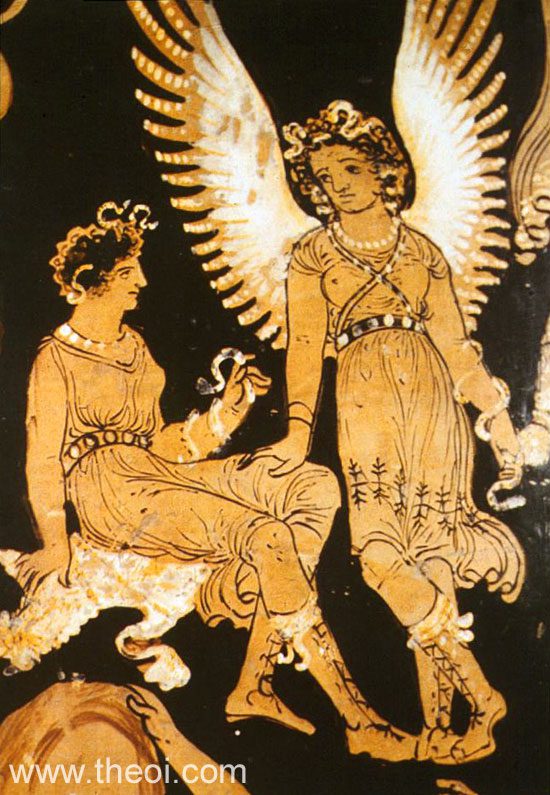
The Furies, also known as the Erinyes, are important figures in Greek mythology. They are often depicted as fierce and vengeful spirits who seek justice for crimes, particularly those involving family members. The Furies embody the concept of retribution and serve as a reminder of the consequences of wrongdoing. Their origins can be traced back to the ancient Greek beliefs about the underworld and the punishment of souls. In this article, we will explore the characteristics, roles, and significance of the Furies in Greek mythology.
Origins of the Furies
The Furies are said to have been born from the blood of Uranus, the sky god, when he was castrated by his son, Cronus. According to myth, their creation symbolizes the idea that from chaos and violence, new and powerful entities can emerge. The Furies are often described as having serpents for hair and wings, which enhances their terrifying presence. Their appearance is meant to evoke fear, reflecting their role as enforcers of justice and vengeance.
Different ancient texts provide various accounts of their origins. In some stories, they are described as the daughters of Gaea, the Earth goddess, while others suggest they were born from the union of Nyx, the night goddess. Regardless of their parentage, it is clear that the Furies are deeply connected to the themes of vengeance and justice within the Greek mythological framework.
Characteristics of the Furies
The Furies are often depicted as fearsome figures. They are typically portrayed as women with dark, flowing robes and are sometimes shown holding torches or whips. Their hair is made of snakes, which adds to their terrifying image. This appearance reflects their role as agents of punishment and their association with the darker aspects of the human experience.
 Eris
ErisOne of the most notable characteristics of the Furies is their unwavering dedication to justice. They do not discriminate between the guilty and the innocent, focusing solely on punishing those who have committed offenses, especially against family. This relentless pursuit of vengeance is a key aspect of their identity, making them both feared and respected in the mythological landscape.
The Role of the Furies in Greek Mythology
The Furies play a crucial role in many myths, often serving as the embodiment of divine retribution. They are primarily concerned with punishing those who commit grave sins, particularly murder and betrayal. For example, in the myth of Orestes, the Furies pursue him after he kills his mother, Clytemnestra, as an act of vengeance for her role in the murder of his father, Aegisthus. This story highlights their role as enforcers of familial justice.
In addition to their role in individual stories, the Furies also represent the broader theme of moral order in the universe. They ensure that justice is served, reminding mortals of the consequences of their actions. This moral authority places them in direct opposition to the gods, who may sometimes be seen as capricious or unjust. The Furies serve as a counterbalance to divine power, emphasizing the importance of accountability in human affairs.
 Eros
ErosThe Furies in Literature and Art
The Furies have been a popular subject in literature and art throughout history. They appear in numerous ancient texts, including Aeschylus‘s “Oresteia,” where they play a central role in the story of Orestes. Their portrayal in literature often emphasizes their terrifying nature and their unwavering commitment to justice. Aeschylus, in particular, presents them as complex characters who are both fearsome and sympathetic, highlighting the tension between vengeance and justice.
In art, the Furies have been depicted in various forms, from ancient pottery to Renaissance paintings. Artists often focus on their dramatic appearance, showcasing their snake hair and fierce expressions. These representations serve to reinforce their role as powerful forces of retribution. The Furies’ imagery has persisted through the ages, symbolizing the enduring nature of justice and the consequences of wrongdoing.
The Furies and the Concept of Justice
The Furies represent a unique perspective on the concept of justice in Greek mythology. Unlike the gods, who may act based on personal motives or whims, the Furies are relentless in their pursuit of retribution. They do not seek mercy or forgiveness; instead, they embody the idea that every crime must be punished. This strict interpretation of justice highlights the importance of personal responsibility and the consequences of one’s actions.
Furthermore, the Furies’ role in enforcing justice raises questions about the nature of punishment. Are they justified in their actions, or do they perpetuate a cycle of violence? This dilemma is explored in various myths, prompting audiences to reflect on the complexities of morality and justice. The Furies challenge the notion of simple retribution, suggesting that justice can be both necessary and destructive.
The Transformation of the Furies
Over time, the Furies underwent a transformation in their portrayal within Greek mythology. In earlier myths, they were depicted primarily as vengeful spirits, focusing solely on punishment. However, as Greek culture evolved, their role began to shift. They were increasingly associated with the concepts of forgiveness and reconciliation, particularly in the context of the Oresteia trilogy.
In the final play of the trilogy, titled “The Eumenides,” the Furies are transformed into the Kindly Ones or Eumenides. This change symbolizes a shift from vengeance to a more balanced approach to justice. Instead of solely pursuing retribution, they become protectors of the city and advocates for a fair legal system. This transformation reflects the evolving understanding of justice in Greek society, moving from personal vengeance to a more organized and communal approach.
The Furies in Modern Culture
The legacy of the Furies continues to influence modern culture, appearing in various forms of media, including literature, film, and theater. Their portrayal often retains the themes of vengeance and justice, resonating with contemporary audiences. In literature, authors frequently draw upon the Furies as symbols of guilt and the consequences of one’s actions, reflecting the timeless nature of their story.
In film and theater, the Furies have been adapted in numerous ways, often serving as antagonists or moral arbiters. Their fierce dedication to justice makes them compelling characters that challenge protagonists to confront their past actions. This ongoing interest in the Furies highlights their significance in exploring themes of morality, accountability, and the human experience.
The Furies remain a powerful symbol in Greek mythology, representing the complexities of justice and retribution. Their origins, characteristics, and evolving roles throughout history provide valuable insights into ancient beliefs and societal values. As we continue to explore the themes associated with the Furies, we gain a deeper understanding of the moral dilemmas that persist in our own lives.