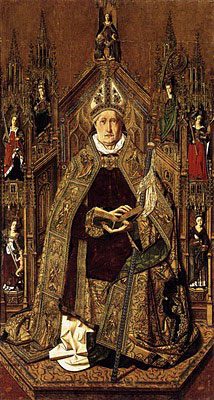
St. Dominic of Silos is a significant figure in Christian mythology, particularly known for his deep commitment to monastic life and his role as an abbot. Born in the early 11th century in Spain, Dominic dedicated his life to God and became a symbol of faith and perseverance. His story is filled with remarkable events that highlight his devotion and the miracles attributed to him. The life of St. Dominic serves as an inspiration for many, illustrating the virtues of faith, humility, and service to others.
The Early Life of St. Dominic of Silos
St. Dominic of Silos was born in the region of Castile, Spain, around the year 1000. His early life is shrouded in some mystery, but it is known that he came from a humble background. As a young man, Dominic showed an inclination towards religious life. He was influenced by the teachings of the Church and the monastic traditions that were prominent during that time. His family recognized his spiritual inclinations and supported him in pursuing a life dedicated to God.
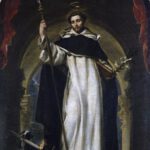 St. Dominic
At a young age, Dominic entered a monastery, where he began to learn about the monastic way of life. He embraced the strict rules and disciplines that governed the lives of monks. His dedication to prayer and study set him apart from his peers. As he grew older, he became more committed to the monastic ideals of poverty, chastity, and obedience. This early foundation was crucial in shaping his future as a leader and a saint.
The Founding of the Monastery
After spending several years in a monastery, Dominic felt a calling to establish a new monastic community. He was particularly inspired by the need for a reform in the Church and the spiritual life of the people. In 1035, he founded the Monastery of Siloe, located in the province of Burgos, Spain. This monastery became a center for spiritual growth and education, attracting many followers who were eager to learn from Dominic’s teachings.
The Monastery of Siloe was characterized by its strict adherence to the Rule of St. Benedict, which emphasized a balanced life of prayer, work, and study. Dominic implemented various reforms to enhance the monastic life, focusing on the importance of community living and mutual support among the monks. His leadership style was marked by humility and a deep sense of service, which endeared him to his followers.
 St. Dismas
The Spiritual Teachings of St. Dominic
St. Dominic of Silos was not only a founder of a monastery but also a profound spiritual teacher. His teachings emphasized the importance of prayer and contemplation in the life of a Christian. He believed that a strong prayer life was essential for anyone seeking to grow closer to God. Dominic often encouraged his followers to engage in deep meditation and reflection, guiding them to find peace and clarity in their spiritual journeys.
In addition to prayer, St. Dominic emphasized the significance of charity and service to others. He believed that true faith is demonstrated through acts of kindness and compassion. His teachings inspired many to reach out to those in need, fostering a spirit of community and love. This focus on service became a hallmark of the monastic community he established, encouraging monks to engage with the wider world while remaining dedicated to their spiritual practices.
The Miracles Attributed to St. Dominic
Throughout his life, St. Dominic of Silos was credited with several miraculous events that further solidified his status as a saint. One of the most notable miracles involved the healing of a sick child. According to legend, a mother brought her ailing child to Dominic, who prayed fervently for the child’s recovery. Miraculously, the child was healed, and this event attracted many people to the monastery seeking healing and guidance.
 St. Dionysius Of Alexandria
Another miracle associated with St. Dominic is the story of a barren woman who prayed to him for intercession. After Dominic’s prayers, she was blessed with a child, which was seen as a sign of his holiness and divine favor. These miracles contributed to his growing reputation as a saint, and people began to venerate him as a powerful intercessor before God.
The Legacy of St. Dominic of Silos
The legacy of St. Dominic of Silos extends beyond his lifetime. His teachings and the monastic community he founded continued to influence the Church for centuries. After his death in 1073, many people sought to emulate his life and follow in his footsteps. His commitment to prayer, service, and community living became a model for future generations of monks and nuns.
St. Dominic was canonized by the Church, and his feast day is celebrated on December 20th. His influence can still be seen in various monastic communities around the world that follow the principles he established. Many religious orders trace their origins back to the teachings of St. Dominic, emphasizing the importance of living a life dedicated to God and serving others.
St. Dominic in Art and Culture
St. Dominic of Silos has been a popular subject in art and literature throughout the centuries. Artists have depicted his life and miracles in various forms, including paintings, sculptures, and stained glass windows. These works often highlight key moments in his life, showcasing his dedication to God and his role as a healer and intercessor.
In literature, St. Dominic’s story has inspired numerous writings that explore themes of faith, perseverance, and the power of prayer. His life serves as a reminder of the impact one individual can have on the spiritual lives of others. Many authors have drawn upon his teachings to illustrate the importance of community and the transformative power of faith.
The Influence of St. Dominic on Modern Christianity
St. Dominic of Silos continues to have a profound influence on modern Christianity. His emphasis on prayer, service, and community resonates with many contemporary believers. His teachings encourage individuals to seek a deeper relationship with God while also reaching out to those in need. This dual focus on spirituality and service is particularly relevant in today’s world, where many people seek to make a positive impact on their communities.
Additionally, St. Dominic’s life serves as a model for those involved in monastic life and religious orders. His commitment to the values of humility and obedience remains a guiding principle for many. The communities that honor his legacy continue to thrive, promoting a lifestyle centered on prayer, study, and charitable works.
The Relevance of St. Dominic Today
In a fast-paced and often chaotic world, the teachings of St. Dominic of Silos offer a sense of peace and purpose. His life encourages individuals to take time for prayer and reflection, emphasizing the importance of connecting with God amidst daily distractions. Many people find solace in his example, striving to incorporate his principles into their own lives.
Moreover, St. Dominic’s commitment to serving others serves as a powerful reminder of the call to action that many Christians feel today. His legacy inspires individuals to engage in social justice efforts, support charitable organizations, and advocate for those who are marginalized. By following his example, many seek to create a more compassionate and just society.
Key Takeaways from St. Dominic’s Life
- Devotion to Prayer: Emphasizes the importance of a strong prayer life.
- Service to Others: Encourages acts of charity and compassion.
- Community Living: Highlights the value of living in harmony with others.
- Spiritual Growth: Inspires continuous growth in faith and understanding.
- Legacy of Miracles: Illustrates the power of faith and intercession.
St. Dominic of Silos remains a vital figure in Christian mythology, embodying the principles of faith, service, and community. His life and teachings continue to inspire individuals seeking to deepen their spiritual journeys while making a positive impact on the world around them. Through his example, many find hope and encouragement to live out their own faith authentically.