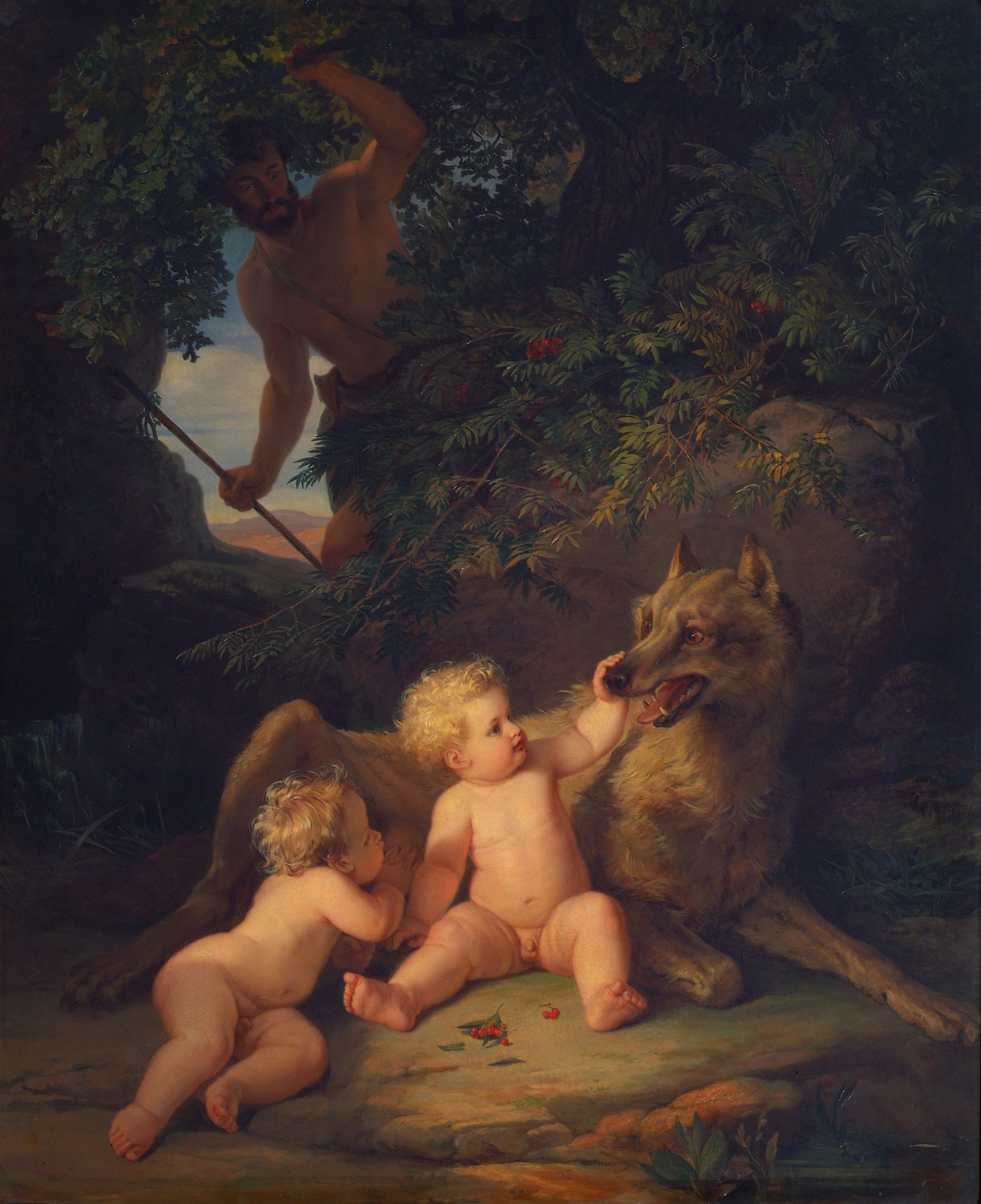
Lupercus is a significant figure in Roman mythology, often associated with fertility, agriculture, and the protection of flocks and herds. The name Lupercus is derived from the Latin word “lupus,” which means wolf. This connection to wolves highlights his role as a protector and a figure of strength in ancient Roman culture. Lupercus was celebrated during the festival of Lupercalia, which took place in mid-February. This festival was characterized by various rituals and celebrations aimed at invoking fertility and purification.
The Origins of Lupercus
The origins of Lupercus can be traced back to ancient pastoral societies in the region that would become Rome. The worship of Lupercus likely began as a way to honor the natural forces that governed agricultural success and the health of livestock. The association with wolves suggests a connection to the wild and untamed aspects of nature, which were vital for the survival of early Roman communities. As Rome expanded, the figure of Lupercus absorbed influences from other cultures, blending with deities like the Greek god Pan, who was also associated with fertility and the wilderness.
 Mania
ManiaAccording to myth, Lupercus was often depicted as a young man or a shepherd, embodying the spirit of the countryside. His image was closely tied to the wolf, an animal revered for its strength and ability to protect. The Romans believed that by honoring Lupercus, they could ensure the safety and productivity of their livestock. As such, rituals were performed to invoke his blessings, especially during the critical agricultural seasons.
The Festival of Lupercalia
Lupercalia was one of the most important festivals dedicated to Lupercus. Celebrated on the Ides of February, this festival involved various rites designed to promote fertility and ward off evil spirits. One of the central activities during Lupercalia was the sacrifice of goats and a dog at the Lupercal, a sacred cave on the Palatine Hill where, according to legend, Romulus and Remus were said to have been nurtured by a she-wolf. After the sacrifices, the blood of the animals was smeared on the foreheads of the priests, known as Luperci.
Following the sacrifices, the Luperci would cut the hides of the sacrificed animals into strips and run through the streets, striking anyone they encountered. This act was believed to promote fertility and ensure a bountiful harvest. Women would often welcome the touch of the hides, believing it would improve their chances of conception. The atmosphere during Lupercalia was festive and chaotic, filled with laughter, music, and merriment.
 Mantus
The Role of Lupercus in Roman Society
Lupercus played a crucial role in the daily lives of Romans, especially in rural communities. Farmers and shepherds looked to him for protection and guidance, believing that he could influence the health of their animals and the fertility of their crops. His image was often invoked in prayers and offerings, particularly during the planting and harvesting seasons. As a result, Lupercus became a symbol of the interconnectedness of nature and human life, embodying the balance necessary for agricultural success.
The significance of Lupercus extended beyond agriculture; he also represented the spiritual connection between humans and the natural world. Romans believed that by honoring Lupercus, they could ensure harmony between their communities and the environment. This belief was especially important in a society that relied heavily on agriculture and livestock for survival. Thus, Lupercus was not just a deity; he was a vital part of the Roman way of life.
 Marica
Symbols and Iconography
The symbols associated with Lupercus are deeply rooted in his connection to nature and fertility. The most prominent symbol is the wolf, representing strength, protection, and the wild aspects of the natural world. Additionally, goats were significant in the rituals of Lupercalia, symbolizing fertility and abundance. The act of sacrifice during the festival emphasized the importance of these animals in ensuring agricultural success.
In art and literature, Lupercus was often depicted alongside rural landscapes, flocks of sheep, and, of course, wolves. These representations reinforced his role as a guardian of nature and a protector of the Roman people. Statues and altars dedicated to Lupercus were typically found in rural areas, serving as reminders of the importance of his blessings in everyday life.
Lupercus and Other Deities
Lupercus shares similarities with several other deities in Roman and Greek mythology. One of the most notable is Pan, the Greek god of the wild, shepherds, and flocks. Like Lupercus, Pan was associated with fertility and was often depicted with the legs and horns of a goat. The blending of these two figures highlights the shared cultural values surrounding nature and agriculture in ancient societies.
Another figure closely related to Lupercus is Faunus, the Roman god of the forest, fields, and flocks. Faunus, like Lupercus, was revered for his ability to ensure the fertility of the land and the health of livestock. The similarities between these deities demonstrate the importance of nature and fertility in Roman religious practices, reflecting a deep respect for the forces that sustain life.
The Decline of Lupercus Worship
As the Roman Empire expanded and evolved, the worship of Lupercus began to decline. The rise of Christianity in the late Roman Empire led to a shift in religious practices and beliefs. Many pagan festivals, including Lupercalia, were gradually replaced or transformed to fit the new Christian paradigm. The emphasis on fertility and nature became less prominent as new religious values took hold.
Despite this decline, the legacy of Lupercus can still be seen in various cultural practices and traditions. Elements of Lupercalia were absorbed into Christian celebrations, particularly in the way that spring festivals are celebrated. The blending of these traditions serves as a reminder of the enduring influence of ancient Roman mythology on contemporary culture.
Modern Interpretations of Lupercus
In modern times, the figure of Lupercus has been reinterpreted in various ways. Some contemporary pagan and neopagan groups have sought to revive the worship of ancient deities, including Lupercus. These groups often emphasize the importance of nature, fertility, and the cycles of life, drawing inspiration from the rituals and traditions of ancient Rome.
Additionally, Lupercus has appeared in literature and art, often symbolizing the connection between humanity and the natural world. Writers and artists have used his image to explore themes of fertility, protection, and the wild aspects of nature. This modern interest in Lupercus reflects a broader cultural trend of seeking to reconnect with ancient traditions and the natural world.
The Cultural Significance of Lupercus Today
The cultural significance of Lupercus today can be seen in various aspects of society. The emphasis on sustainability and environmental protection resonates with the values associated with Lupercus and his connection to nature. Many people today recognize the importance of caring for the environment and ensuring the health of our planet, reflecting the ancient Roman belief in the balance between humans and nature.
Moreover, the themes of fertility and renewal associated with Lupercus can be found in modern celebrations of spring and new beginnings. Festivals that honor the changing seasons often draw on ancient traditions, emphasizing the cyclical nature of life and the importance of honoring the earth. This connection to Lupercus serves as a reminder of our shared human experience and the timeless significance of nature in our lives.
Lupercus remains a compelling figure in Roman mythology, representing the vital relationship between humanity and the natural world. His worship and the festival of Lupercalia highlight the importance of fertility, protection, and the cycles of life in ancient Roman society. As we navigate the complexities of modern life, the legacy of Lupercus continues to inspire us to honor and respect the natural forces that shape our existence.