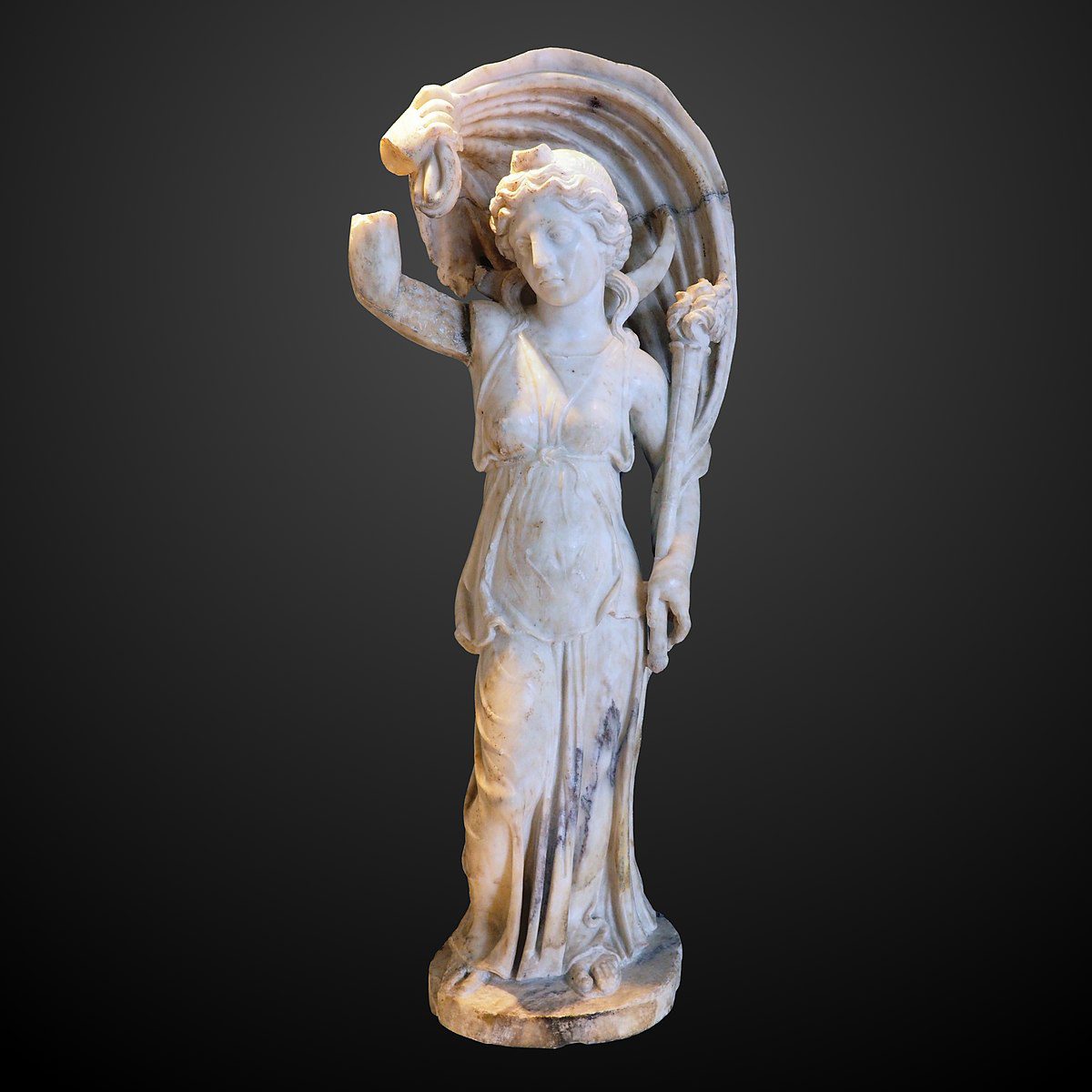
The moon has been a source of fascination and inspiration for many cultures throughout history. In Roman mythology, the moon is personified as the goddess Selene, who is known for her beauty and her role in the night sky. The Romans, like many ancient civilizations, revered celestial bodies and attributed various characteristics and stories to them. The moon played a significant role in their myths, influencing their rituals, calendars, and even their understanding of time. This article delves into the importance of the moon in Roman mythology, exploring its various representations, stories, and cultural significance.
The Origin of the Moon in Roman Mythology
In Roman mythology, the moon is often linked to the goddess Selene, who was originally a figure from Greek mythology. The Romans adopted many Greek deities, but they also adapted their stories and attributes to fit their own cultural context. Selene is depicted as a beautiful woman driving a chariot across the night sky, illuminating the darkness with her soft glow. This imagery emphasizes the moon’s role as a source of light in the dark, much like how the sun provides light during the day.
 Lupercus
Furthermore, the Romans also associated the moon with other deities, such as Diana, the goddess of the hunt, who was often depicted with a crescent moon. Diana’s connection to the moon highlights its importance in nature and its influence over the cycles of life. The moon’s phases were believed to affect everything from planting crops to human behavior, showcasing its profound impact on the Roman way of life.
The Phases of the Moon
The moon goes through various phases, each with its own significance in Roman culture. The cycle from the new moon to the full moon and back again represents the passage of time and the changing seasons. Romans were keen observers of these cycles, and they often aligned their agricultural practices with the lunar calendar. The new moon, for instance, was seen as a time for new beginnings, while the full moon symbolized completion and abundance.
 Mania
Mania- New Moon: A time for new beginnings and fresh starts.
- Crescent Moon: A period of growth and development.
- Full Moon: A time of abundance and celebration.
- Waning Moon: A phase of reflection and letting go.
Each of these phases held different meanings for the Romans, influencing everything from religious ceremonies to daily activities. For example, during the full moon, Romans would often hold festivals and rituals to honor their deities, celebrating the moon’s brightness and its impact on their lives. This close relationship with the lunar cycle illustrates how integral the moon was to Roman society.
Myths and Legends of the Moon
Roman mythology is rich with stories that involve the moon and its deities. One popular myth involves the love story between Selene and Endymion, a handsome mortal. According to the legend, Selene fell deeply in love with Endymion and would visit him each night as he slept. In some versions of the story, Selene asked Zeus to grant Endymion eternal sleep so that he would remain forever young and beautiful, allowing her to admire him for eternity. This tale highlights the themes of love, beauty, and the longing for immortality.
Another significant myth is that of Diana and her twin brother Apollo, the god of the sun. Diana, often associated with the moon, represents the wild, untamed aspects of nature, while Apollo embodies order and civilization. Their contrasting natures symbolize the balance between day and night, light and darkness. This duality is a recurring theme in Roman mythology, emphasizing the importance of harmony in the universe.
 Mantus
The Moon in Roman Religion and Rituals
The moon played a vital role in Roman religion, influencing various rituals and ceremonies. The Romans believed that the moon had the power to affect the tides and the fertility of the land. As a result, many agricultural festivals were timed according to the lunar calendar. For example, the festival of Lupercalia, celebrated in February, was closely linked to the lunar cycle and involved rituals to ensure fertility and prosperity.
In addition to agricultural rituals, the moon was also significant in divination practices. Romans would observe the moon’s phases and its position in the sky to interpret omens and predict future events. This practice, known as haruspicy, involved examining the entrails of sacrificed animals, as well as the lunar patterns, to gain insight into the will of the gods. Such practices highlight the moon’s role as a divine indicator, guiding the Romans in their decision-making.
The Moon and Timekeeping
The Romans used a lunar calendar to mark the passage of time, which influenced their daily lives and activities. The lunar calendar consisted of twelve months, each aligned with the moon’s phases. This system was essential for scheduling festivals, agricultural tasks, and religious observances. However, the lunar calendar did not perfectly align with the solar year, leading to adjustments and the occasional addition of months to keep the calendar in sync.
Despite its challenges, the lunar calendar was widely accepted in Roman society. The moon’s cycles provided a natural rhythm for life, dictating when to plant, harvest, and celebrate. The significance of the moon in timekeeping is a testament to its enduring influence on Roman culture and their understanding of the cosmos.
The Legacy of the Moon in Roman Mythology
The legacy of the moon in Roman mythology extends far beyond ancient rituals and stories. Its influence can be seen in various aspects of modern culture, including art, literature, and even language. The imagery of the moon as a symbol of beauty, mystery, and love continues to resonate with people today. Many poets and writers have drawn inspiration from the moon, using it as a metaphor for longing and desire.
Additionally, the moon’s impact on the tides and natural cycles remains relevant in contemporary science and environmental studies. Understanding the moon’s gravitational pull helps us comprehend the dynamics of our planet, emphasizing the interconnectedness of celestial bodies and life on Earth. The moon, once revered as a deity, is now recognized as a vital component of our solar system.
the moon holds a significant place in Roman mythology, representing beauty, love, and the passage of time. Its various phases influenced agricultural practices, religious rituals, and even the way Romans understood their world. Through myths and stories, the moon continues to inspire and captivate us, reminding us of the timeless connection between humanity and the cosmos.