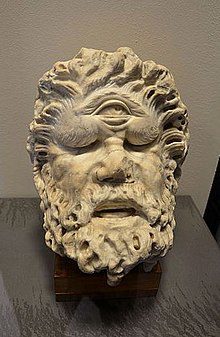
The Cyclopes are fascinating figures in Greek mythology, known for their unique physical characteristics and significant roles in various myths. These one-eyed giants are often depicted as strong and formidable beings, embodying the raw power of nature. The term “Cyclops” comes from the Greek words “kyklos,” meaning “circle,” and “ops,” meaning “eye.” This name reflects their most distinctive feature: a single eye located in the center of their forehead. The Cyclopes have been a part of Greek stories for centuries, capturing the imagination of people and influencing various forms of art and literature.
The Origins of the Cyclopes
The origins of the Cyclopes can be traced back to ancient Greek literature, where they are often associated with the primordial gods. According to Hesiod, a famous ancient Greek poet, there were three original Cyclopes: Brontes, Steropes, and Arges. These Cyclopes were known for their immense strength and skill in crafting powerful weapons. They played a crucial role in the myth of the Titanomachy, the battle between the Titans and the Olympian gods. The Cyclopes forged the thunderbolts of Zeus, which became vital in his fight against the Titans, showcasing their importance in the divine hierarchy.
 Polyphemus
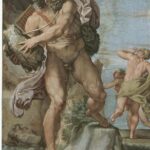
In addition to Hesiod’s account, other ancient sources provide different perspectives on the Cyclopes. For instance, Homer, in his epic poem the Odyssey, introduces a different kind of Cyclops, named Polyphemus. This Cyclops is portrayed as a savage and uncivilized creature, living alone on an isolated island. The contrast between the skilled craftsmen of Hesiod’s account and the brutish Polyphemus highlights the diverse representations of Cyclopes in Greek mythology.
The Cyclopes in the Odyssey
Homer’s portrayal of Polyphemus in the Odyssey is one of the most famous stories involving a Cyclops. In this tale, Odysseus and his men find themselves trapped in Polyphemus’s cave. The Cyclops captures them and begins to eat them one by one, demonstrating his monstrous nature. Odysseus, known for his cunning, devises a plan to escape. He tells Polyphemus that his name is “Nobody,” and when he blinds the Cyclops, Polyphemus calls for help, saying that “Nobody” is attacking him. This clever ruse allows Odysseus and his men to escape, highlighting the theme of intelligence versus brute strength in Greek mythology.
The encounter with Polyphemus also illustrates the consequences of hubris, a common theme in Greek myths. After escaping, Odysseus reveals his true identity to Polyphemus, boasting about his cleverness. This act of pride angers Poseidon, Polyphemus’s father, leading to further challenges for Odysseus on his journey home. The story serves as a cautionary tale about the dangers of arrogance and the importance of humility.
 Cyrene
The Cyclopes as Craftsmen
While Polyphemus represents the more savage side of the Cyclopes, other myths highlight their skills as craftsmen. The Cyclopes are often credited with creating some of the most powerful weapons for the gods. Their craftsmanship is legendary, and they are associated with the creation of items such as Zeus’s thunderbolts, Hades’s helmet of invisibility, and Poseidon’s trident. This connection to divine weaponry underscores their significance in the mythological narrative.
The Cyclopes’ ability to forge these incredible items is often attributed to their immense strength and knowledge of metallurgy. In ancient times, blacksmiths were highly regarded for their skills, and the Cyclopes symbolize the pinnacle of this craft. They are often depicted working in a volcanic forge, surrounded by fire and molten metal, emphasizing their connection to the earth and the raw materials used in their creations.
The Role of the Cyclopes in the Titanomachy
The Cyclopes played a crucial role in the Titanomachy, the great war between the Titans and the Olympian gods. After being imprisoned by their father, Uranus, the Cyclopes were freed by Zeus and the other Olympians. In gratitude for their release, the Cyclopes crafted powerful weapons for the gods, which were instrumental in their victory over the Titans. This alliance between the Cyclopes and the Olympians highlights the importance of cooperation and support in overcoming great challenges.
 Danae
DanaeThe weapons created by the Cyclopes, particularly the thunderbolts, became symbols of divine authority and power. Zeus’s thunderbolts were not only effective in battle but also represented his control over the skies and storms. The Cyclopes’ contribution to the war solidified their status as essential allies to the Olympian gods, further enhancing their reputation in Greek mythology.
The Symbolism of the Cyclopes
The Cyclopes carry rich symbolism in Greek mythology, representing both strength and chaos. Their single eye can be interpreted in various ways, including the idea of a focused vision or a lack of insight. This duality reflects the balance between power and wisdom, a recurring theme in many myths. While the Cyclopes possess immense physical strength, their actions often lead to disorder and destruction, as seen in the story of Polyphemus.
Additionally, the Cyclopes can symbolize the untamed forces of nature. Their connection to volcanic activity and metalworking highlights humanity’s relationship with the natural world. The Cyclopes embody both the creative and destructive aspects of nature, reminding us of the power that lies within it. This duality can be seen as a reflection of the human experience, where strength and chaos often coexist.
Modern Interpretations of the Cyclopes
The influence of the Cyclopes extends beyond ancient Greek mythology into modern literature, art, and popular culture. Their unique characteristics and stories have inspired countless adaptations, from classical paintings to contemporary films. The Cyclopes are often portrayed as brutish giants in modern retellings, but some interpretations explore their craftsmanship and intelligence, adding depth to their characters.
In literature, the Cyclopes have appeared in various forms, from children’s books to epic novels. They often serve as symbols of challenges that must be overcome, representing the obstacles individuals face in their own lives. The tale of Odysseus and Polyphemus, in particular, continues to resonate with audiences, serving as a reminder of the importance of wit and resourcefulness in difficult situations.
The Cyclopes in Popular Culture
In popular culture, the Cyclopes have made appearances in movies, television shows, and video games. Their portrayal often leans towards the monstrous, emphasizing their physicality and brute strength. For example, in films like “Clash of the Titans,” Cyclopes are depicted as fierce creatures that pose significant threats to heroes. This representation aligns with the traditional view of Cyclopes as intimidating beings, but it sometimes overlooks their complexity as craftsmen and allies to the gods.
Video games have also incorporated Cyclopes into their narratives, often portraying them as formidable foes that players must defeat. In these games, Cyclopes are frequently characterized by their massive size and strength, reinforcing the idea of them as monstrous beings. However, some games delve into their lore, allowing players to explore their backgrounds and motivations, providing a more nuanced understanding of these mythical creatures.
The Legacy of the Cyclopes
The legacy of the Cyclopes continues to thrive in modern society, serving as a reminder of the rich tapestry of Greek mythology. Their stories highlight the enduring themes of strength, intelligence, and the balance between chaos and order. The Cyclopes’ unique characteristics and roles in various myths ensure that they remain relevant and intriguing figures in contemporary discussions about mythology and storytelling.
Moreover, the Cyclopes have inspired a wide range of artistic expressions, from literature to visual arts. Their representation in various forms continues to evolve, reflecting changes in societal values and interests. As new generations encounter these ancient stories, the Cyclopes will undoubtedly continue to captivate and inspire, showcasing the timeless nature of mythology.