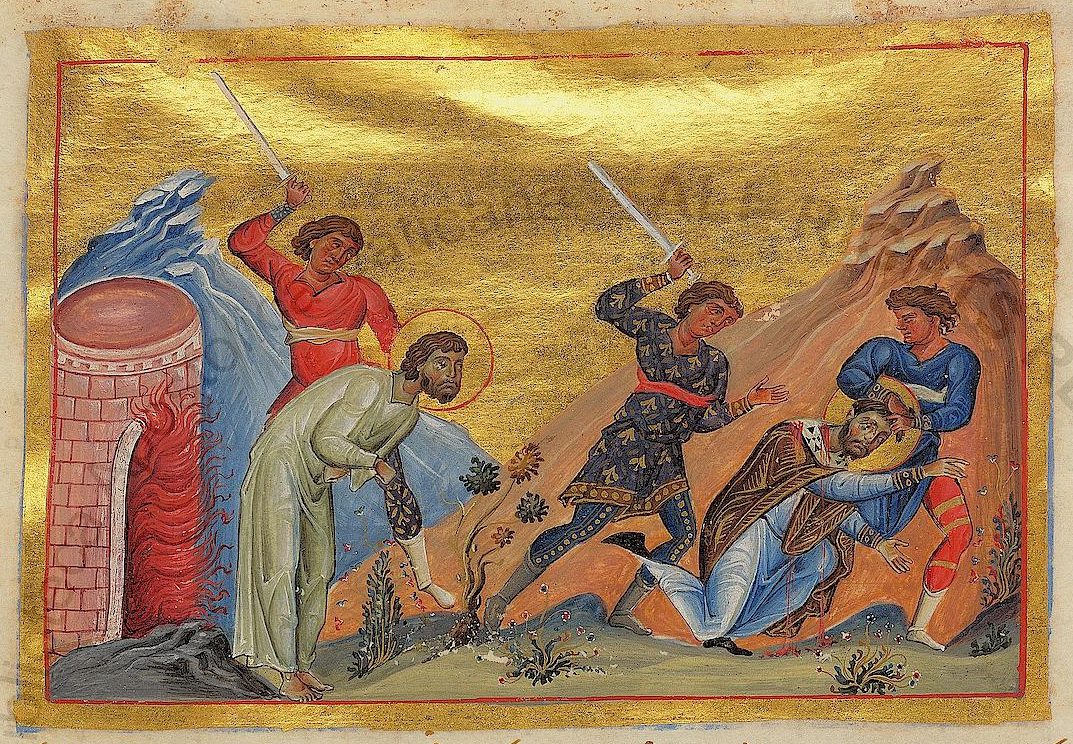
St. Eleutherius is a figure in Christian mythology who is often associated with themes of freedom and liberation. His name derives from the Greek word “eleutheros,” meaning “free.” This association with freedom is significant, as it reflects the core values of Christianity, including the idea of being freed from sin and the promise of eternal life. The story of St. Eleutherius is woven into the fabric of Christian tradition, and his life and teachings continue to inspire many believers around the world. In this article, we will explore the life of St. Eleutherius, his contributions to the Christian faith, and the legacy he left behind.
The Life of St. Eleutherius
The historical records regarding St. Eleutherius are limited, making it challenging to piece together a comprehensive biography. However, it is widely accepted that he lived during the early years of Christianity, around the second century. According to tradition, he was born in Rome and later became a bishop. His leadership during a time of persecution is particularly noteworthy. Christians faced immense challenges and dangers, and Eleutherius played a crucial role in providing guidance and support to the faithful. His ability to navigate these tumultuous times is a testament to his strength and conviction.
 St. Edward The Martyr
One of the most significant events in the life of St. Eleutherius was his defense of the Christian faith against various heresies that arose during his time. He was known for his eloquent preaching and his unwavering commitment to the truth of the Gospel. This commitment often put him at odds with political and religious authorities who sought to suppress Christianity. Despite the risks, St. Eleutherius stood firm, and his teachings helped to clarify key doctrines that are still essential to Christian belief today.
Teachings and Contributions
St. Eleutherius’s teachings emphasized the importance of faith and freedom in Christ. He believed that true freedom comes from a relationship with God and that through faith, individuals could overcome sin and the burdens of the world. His messages resonated with many early Christians who were seeking hope and guidance amidst persecution. Eleutherius encouraged believers to remain steadfast in their faith and to support one another in their spiritual journeys.
 St. Edward The Confessor
One of the key contributions of St. Eleutherius was his role in establishing church governance. He advocated for a structured leadership within the Christian community, which was essential for maintaining order and unity among believers. This structure included the appointment of bishops and elders who could provide spiritual oversight and pastoral care. His efforts laid the groundwork for the hierarchical organization of the church that would develop in subsequent centuries.
Key Teachings of St. Eleutherius
- Faith in God: Eleutherius emphasized the necessity of having a personal relationship with God.
- Community Support: He encouraged believers to support one another through prayer and fellowship.
- Resistance to Heresy: St. Eleutherius strongly opposed heretical teachings and sought to protect the integrity of the Gospel.
- Importance of Leadership: He believed in the need for structured church leadership to guide the faithful.
St. Eleutherius also contributed to the early church’s understanding of the nature of Christ. He preached about the dual nature of Christ as both fully divine and fully human. This teaching was vital for addressing misconceptions and misunderstandings that were prevalent in his time. By articulating these doctrines, he helped to shape the theological foundation of Christianity, ensuring that future generations would have a clear understanding of who Christ is and what he accomplished through his life, death, and resurrection.
Legacy of St. Eleutherius
The legacy of St. Eleutherius is profound, and his impact can be felt in various aspects of Christian life and thought. His commitment to defending the faith and fostering community among believers has inspired countless Christians throughout history. Many churches commemorate his feast day, celebrating his contributions and remembering his teachings. This ongoing recognition highlights the enduring relevance of his message and the importance of his role in the early church.
 St. Edmund
Moreover, St. Eleutherius’s emphasis on freedom resonates deeply with contemporary Christians. In a world where many still struggle with various forms of oppression, his teachings about spiritual liberation offer hope and encouragement. His life serves as a reminder that faith can empower individuals to overcome challenges and pursue justice and freedom for themselves and others.
St. Eleutherius in Christian Art and Literature
St. Eleutherius has been depicted in various forms of Christian art and literature over the centuries. Artists have sought to capture his essence and the impact of his teachings through paintings, sculptures, and stained glass. These artistic representations often emphasize his role as a protector of the faith and a beacon of hope for believers. His image serves as a reminder of the courage and conviction required to stand firm in one’s beliefs, even in the face of adversity.
In literature, St. Eleutherius has been the subject of numerous writings that explore his life and teachings. These texts often highlight his struggles against heresy and his dedication to nurturing the faith within the Christian community. Many authors have drawn inspiration from his example, using his story to illustrate the importance of perseverance and faithfulness in the Christian journey.
Notable Artistic Representations
- Paintings: Various artists have created paintings depicting St. Eleutherius in moments of teaching or prayer.
- Sculptures: Statues of St. Eleutherius can be found in churches and cathedrals, often portraying him in a posture of blessing.
- Stained Glass: Many stained glass windows feature scenes from his life, serving as visual storytelling for congregations.
The presence of St. Eleutherius in art and literature not only preserves his memory but also invites reflection on the values he championed. These works encourage believers to embody the principles of faith, community, and resilience that St. Eleutherius exemplified. They serve as a bridge connecting the past with the present, reminding Christians of the rich heritage of their faith.
St. Eleutherius is a significant figure in Christian mythology whose teachings and legacy continue to inspire believers today. His life exemplifies the values of faith, community, and freedom, making him a symbol of hope and perseverance for many. As Christians navigate the complexities of modern life, the messages of St. Eleutherius remain relevant, encouraging individuals to embrace their faith and support one another in their spiritual journeys. Through art, literature, and the ongoing celebration of his feast day, St. Eleutherius’s impact on Christianity endures, reminding us of the transformative power of faith.