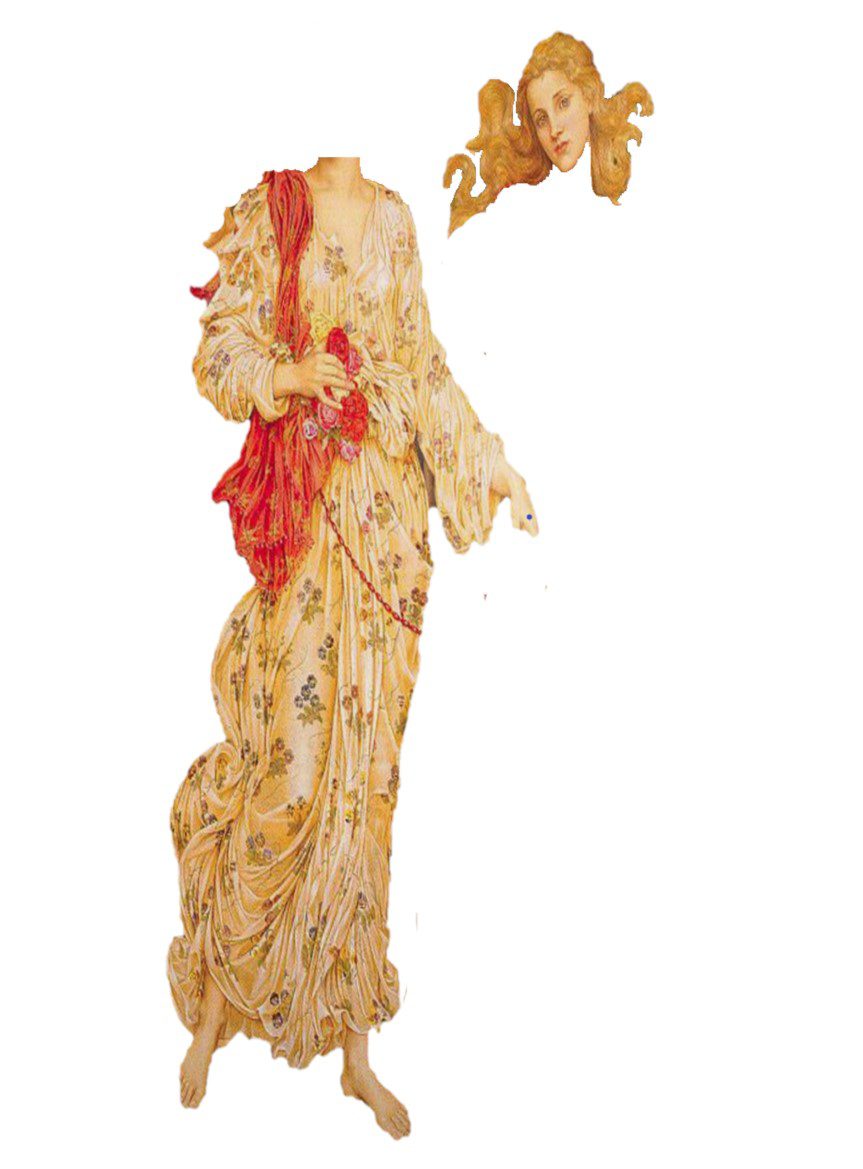
Laverna is a lesser-known figure in Roman mythology, often associated with the realms of the underworld and the concepts of deceit and trickery. Unlike more prominent deities such as Jupiter or Mars, Laverna occupies a unique niche within the pantheon, embodying the qualities of stealth and subterfuge. This article explores her characteristics, worship, and significance in Roman culture, shedding light on this intriguing figure who has often been overshadowed by her more famous counterparts.
Origins and Characteristics
The origins of Laverna are somewhat obscure, as she is not frequently mentioned in ancient texts. However, she is often depicted as a goddess of thieves and a protector of those who engage in illicit activities. Her name is believed to derive from the Latin word “laverna,” which means to deceive or to conceal. This etymology reflects her role as a figure who aids those who operate outside the law, providing them with the necessary cunning and cleverness to succeed in their endeavors.
 Lemures
Laverna is often associated with the underworld and is thought to have connections to the Roman goddess of the underworld, Proserpina. This connection suggests that she may have played a role in guiding souls who were not entirely honest in their lives. In this sense, she serves as a bridge between the living and the dead, ensuring that those who engage in deceptive practices do not face immediate punishment.
Symbolism and Iconography
In Roman art and literature, Laverna is not as prominently featured as other deities, but when she is depicted, she often carries symbols that represent her nature. One of her most common symbols is the mask, which signifies disguise and deception. Masks were widely used in Roman society, particularly during festivals and theatrical performances, and they represent the duality of appearance versus reality, a theme central to Laverna’s character.
Another symbol associated with Laverna is the purse or money bag, which underscores her connection to thievery and the pursuit of wealth through dishonest means. The purse is a reminder of the material temptations that lead individuals to commit acts of deceit. Additionally, she may be represented with shadows or in dimly lit environments, further emphasizing her association with the hidden and the obscure.
 Liber
LiberWorship and Rituals
- Offerings of wine and bread to appease Laverna.
- Prayers for success in theft or deceitful schemes.
- Rituals conducted at night to align with her associations with darkness.
Interestingly, her worship also reflects the Roman attitude towards morality and legality. While the Romans valued honesty and integrity, they also recognized the necessity of deceit in certain situations, such as in warfare or politics. By venerating Laverna, they acknowledged the complex nature of human behavior, where the line between right and wrong is often blurred.
Literary References
Laverna appears in various ancient texts, although she does not have a dedicated myth like other gods and goddesses. One of the most notable references is in the works of the Roman poet Ovid, who alludes to her in the context of deception and trickery. In his writings, Laverna is mentioned as a figure who assists those who seek to deceive others, highlighting her role as a protector of thieves and swindlers.
 Libera
Additionally, Roman comedies often feature characters who invoke Laverna in their schemes, further solidifying her association with cunning and trickery. These literary references serve to illustrate her influence in the cultural imagination of the Romans, despite her relatively low profile compared to other deities.
Modern Interpretations
In contemporary discussions of mythology, Laverna may not be as well-known as other figures, but she represents important themes that resonate even today. The concepts of deceit, trickery, and the moral ambiguity surrounding them are relevant in various aspects of modern life, from politics to business. Laverna serves as a reminder of the complexities of human nature and the often blurry line between right and wrong.
Modern interpretations of Laverna can also be seen in popular culture, where themes of trickery and deception are prevalent. Characters in literature, film, and television often embody traits similar to those attributed to Laverna, showcasing the timeless appeal of her archetype. As society grapples with issues of honesty, integrity, and the consequences of deceit, Laverna’s story remains a relevant point of discussion.
While Laverna may not occupy a central place in the pantheon of Roman deities, her role as a goddess of deceit and trickery offers valuable insights into the complexities of human behavior. Through her symbolism, worship practices, and literary references, we gain a deeper understanding of how the Romans viewed the themes of morality and legality. As we reflect on Laverna’s significance, we recognize that her legacy continues to resonate in modern society, where the balance between honesty and deceit remains a pertinent issue.