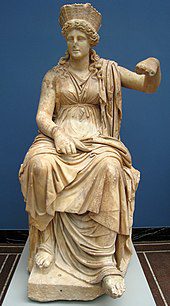
In the realm of Greek mythology, Cybele stands out as a significant figure associated with fertility, nature, and the wild. Known as the Great Mother or the Mother of the Gods, Cybele embodies the nurturing aspects of the earth. Her origins trace back to ancient Anatolia, where she was worshipped long before the Greeks adopted her into their pantheon. Cybele’s influence extended throughout the Mediterranean, and she became a symbol of life and regeneration, embodying the primal forces of nature. Her worship involved elaborate rituals and festivals, showcasing her importance in ancient religious practices.
Origins of Cybele
The origins of Cybele can be found in the ancient Near East, particularly in the region that is now modern-day Turkey. She was originally a goddess of the mountains and the wild, associated with the fruits of the earth and the cycle of life. As her worship spread to Greece, she became integrated into the Greek pantheon. The Greeks identified her with Rhea, the mother of the Olympian gods, thus enhancing her status within their mythology. Cybele was often depicted as a powerful woman, wearing a crown of towers, symbolizing her dominion over cities and civilizations.
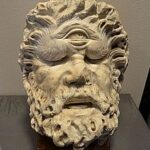 Cyclopes
In her early representations, Cybele was depicted as a fertility goddess, often shown with lions, which symbolized her strength and connection to the natural world. She was also associated with the earth’s fertile aspects, representing the bounty of nature and the nurturing of life. Her name, derived from the Phrygian word “Kybele,” reflects her deep-rooted connection to the land and its cycles. As her cult spread, she became known for her capacity to bring forth abundance and to protect her followers from harm.
Symbols and Attributes
Cybele is associated with several key symbols that highlight her role in mythology. One of the most prominent symbols is the lion, which represents her power and fierce nature. Lions are often seen in her iconography, either accompanying her or being part of her chariot. This connection to lions underscores her status as a formidable deity who commands respect and reverence. Additionally, Cybele is frequently depicted with a drum or cymbals, instruments that were integral to her worship and the ecstatic rituals performed in her honor.
Another important attribute of Cybele is her connection to the mountains and the wild. She is often associated with natural landscapes, embodying the untamed aspects of the earth. Her cult emphasized the importance of nature and its cycles, reflecting the agricultural societies that revered her. In many depictions, she is shown with vegetation and flowers, symbolizing fertility and growth. These elements reinforce her role as a nurturing mother figure who sustains life.
 Polyphemus
Mythological Stories Involving Cybele
Cybele’s myths are rich and varied, illustrating her complex nature and the various roles she played in ancient stories. One of the most famous myths involves her relationship with Attis, a beautiful youth whom she loved deeply. According to the myth, Attis was born from a virgin and was destined to be a great leader. However, driven by jealousy, Cybele caused Attis to go mad, leading him to castrate himself and die. In her grief, Cybele transformed Attis into a pine tree, ensuring that he would live on eternally. This story symbolizes the cycle of life and death, reflecting the themes of regeneration that are central to her worship.
Another significant myth is the story of her battle against the giants. In this tale, Cybele played a crucial role in assisting the gods in their struggle against these formidable foes. Her strength and determination helped the gods to prevail, showcasing her protective nature and her position as a warrior goddess. This myth emphasizes her duality as both a nurturing mother and a fierce protector, illustrating the complexity of her character.
Worship and Rituals
The worship of Cybele involved elaborate rituals and festivals, which were essential to her followers. One of the most famous festivals dedicated to her was the Megalesia, celebrated in Rome during April. This festival featured a series of events, including processions, games, and theatrical performances. Participants often wore colorful garments and engaged in ecstatic dances, invoking the presence of the goddess. The rituals were designed to honor Cybele and seek her blessings for fertility and abundance in their lives.
 Cyrene
Another important aspect of her worship was the practice of self-castration, particularly among her male followers known as the Galli. These priests dedicated their lives to Cybele, embracing a lifestyle that reflected her dual nature. The act of self-castration was seen as a form of devotion, symbolizing the surrender of worldly desires in favor of a deeper connection with the goddess. This practice highlights the intense and sometimes extreme lengths to which her followers would go to express their faith.
Cybele in Roman Culture
As Cybele’s worship spread to Rome, she became an integral part of the Roman religious landscape. The Romans adopted her as the Great Mother and celebrated her with grand ceremonies. Her temple on the Palatine Hill became a significant site for worship, where rituals were conducted to honor her and seek her favor. The Romans emphasized her role as a protector of the city and its people, aligning her with their own cultural values and beliefs.
In Roman culture, Cybele was often associated with prosperity and abundance. Her festivals, particularly the Megalesia, were marked by great enthusiasm and participation from the public. These celebrations included music, dance, and theatrical performances, reflecting the joy and reverence that her followers felt towards her. The integration of Cybele into Roman culture showcases her adaptability and the enduring nature of her worship across different civilizations.
Artistic Representations of Cybele
Cybele has been depicted in various forms of art throughout history, showcasing her significance in both ancient and modern cultures. In ancient sculptures and pottery, she is often shown with lions, holding a drum or cymbals, and adorned with intricate clothing and jewelry. These artistic representations highlight her power and beauty, capturing the essence of her character. Many artists aimed to convey her dual nature as both a nurturing mother and a fierce warrior.
In addition to sculptures, Cybele’s imagery can be found in mosaics and frescoes, illustrating her importance in domestic and public spaces. These artworks served not only as decorative elements but also as a means of invoking her protection and blessings. The consistent portrayal of Cybele across different artistic mediums reflects the deep-rooted reverence that ancient cultures held for her.
Modern Interpretations of Cybele
In contemporary times, Cybele’s legacy continues to resonate with many people. She is often seen as a symbol of feminine strength and empowerment, representing the nurturing and protective qualities that are associated with motherhood. Modern interpretations of her character emphasize her role as a guardian of the earth and advocate for nature, aligning with current environmental movements. Artists and writers frequently draw inspiration from her mythology, exploring themes of fertility, regeneration, and the balance between strength and vulnerability.
Furthermore, Cybele’s influence can be observed in various cultural contexts, including literature, film, and art. Her stories are reimagined and adapted, allowing new generations to connect with her character and the themes she embodies. The ongoing interest in Cybele reflects a broader appreciation for ancient mythologies and their relevance to contemporary issues, highlighting the enduring nature of her legacy.
Cybele’s story is one of power, nurturing, and complexity. As a goddess who embodies the cycles of life and death, her influence spans centuries and cultures. From her ancient worship in Anatolia to her revered status in Greek and Roman mythology, Cybele remains a symbol of the profound connection between humanity and nature. Her myths and rituals continue to inspire and resonate, reflecting the timeless themes of fertility, protection, and the strength of the feminine spirit.