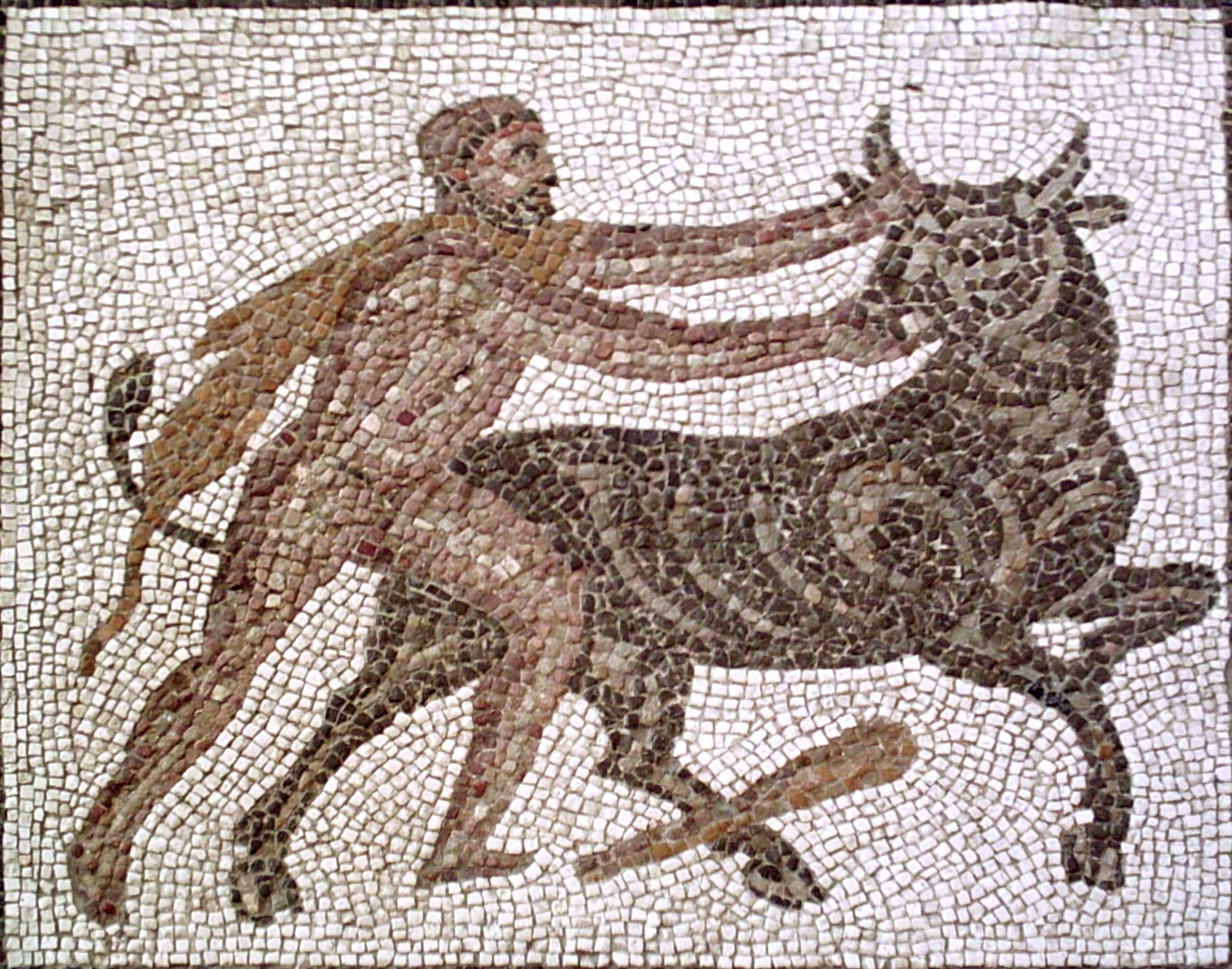
The Cretan Bull is a significant figure in Greek mythology, known for its connection to the ancient island of Crete and the legendary tales that surround it. This bull is often associated with the story of Minotaur, the creature that was born from the union of Pasiphaë, the wife of King Minos, and the bull itself. The Cretan Bull represents not only the power and ferocity of nature but also the themes of transformation and the consequences of human actions. Its story is intertwined with various myths, legends, and cultural practices that have persisted through the ages.
The Origins of the Cretan Bull
The tale of the Cretan Bull begins with the legend of King Minos, who ruled over Crete. According to myth, Minos prayed to the sea god Poseidon for a magnificent bull to sacrifice in his honor. Poseidon sent a stunning white bull from the sea, which was meant to symbolize Minos’s right to rule. However, captivated by the bull’s beauty, Minos decided to keep it for himself and instead sacrificed another bull. This act of defiance angered Poseidon, leading to dire consequences for Minos and his family.
 Crius
CriusIn retaliation, Poseidon cursed Pasiphaë, Minos’s wife, causing her to fall madly in love with the bull. This unnatural desire led to the creation of the Minotaur, a creature with the body of a man and the head of a bull. The story of the Cretan Bull thus illustrates the themes of hubris and divine retribution, showing how Minos’s actions not only affected him but also brought about a monstrous offspring that would haunt Crete.
The Minotaur and the Labyrinth
The Cretan Bull’s legacy is most famously linked to the Minotaur, a creature that became a central figure in Cretan mythology. To contain the Minotaur, King Minos commissioned the architect Daedalus to build an elaborate structure known as the Labyrinth. This maze was designed to trap the Minotaur and prevent it from terrorizing the people of Crete. The Minotaur, half-man and half-bull, was a symbol of the chaos that arose from the unnatural union between Pasiphaë and the Cretan Bull.
Every nine years, Minos demanded a tribute of seven young men and seven young women from Athens to feed the Minotaur. This gruesome practice continued until the hero Theseus volunteered to be one of the tributes, determined to end the Minotaur’s reign of terror. With the help of Ariadne, Minos’s daughter, Theseus was able to navigate the Labyrinth using a ball of thread she provided, ultimately slaying the Minotaur and freeing Crete from its curse.
 Cronus
The Symbolism of the Cretan Bull
The Cretan Bull serves as a potent symbol in Greek mythology, representing various themes that resonate throughout the myths. Firstly, it embodies power and strength. Bulls have long been associated with fertility and virility in many cultures, including ancient Greece. The Cretan Bull, in particular, reflects the untamed aspects of nature and the primal forces that exist within the world.
Moreover, the Cretan Bull signifies the consequences of hubris. Minos’s failure to honor Poseidon’s gift led to a series of tragic events that affected not only him but also his family and the people of Crete. The story serves as a cautionary tale about the importance of humility and respect for the gods. It reminds us that our actions can have far-reaching consequences, often in ways we may not foresee.
Art and Literature Depictions
The Cretan Bull has inspired countless works of art and literature throughout history. In ancient times, the bull was often depicted in pottery, sculpture, and frescoes. The famous frescoes from the Palace of Knossos on Crete, which date back to the Minoan civilization, showcase scenes of bull-leaping, a ritualistic practice where acrobats would leap over bulls as a display of bravery and skill. These artworks highlight the cultural significance of the bull in Minoan society and its association with power and fertility.
 Cybele
In literature, the Cretan Bull’s story has been retold in various forms, from ancient Greek plays to modern adaptations. The tale of the Minotaur has captivated audiences for centuries, symbolizing the struggle between man and beast, civilization and chaos. Many authors have explored the psychological implications of the Minotaur, delving into themes of identity, duality, and the nature of monstrosity.
The Cretan Bull in Modern Culture
The legacy of the Cretan Bull continues to influence modern culture, appearing in various forms of media, including films, books, and video games. The story of the Minotaur, in particular, has been adapted into numerous narratives that explore the themes of heroism, sacrifice, and the battle against one’s inner demons. These adaptations often reinterpret the original myth, allowing contemporary audiences to connect with the ancient story in new and meaningful ways.
Additionally, the Cretan Bull has become a symbol of strength and resilience in popular culture. Its image is often used in branding, sports teams, and various merchandise, reflecting the enduring appeal of this mythical creature. The bull serves as a reminder of the power of mythology to inspire and resonate with people across different cultures and generations.
Lessons from the Cretan Bull Myth
The story of the Cretan Bull imparts several valuable lessons that remain relevant today. One of the primary lessons is the importance of responsibility and the consequences of our actions. King Minos’s decision to keep the bull for himself rather than sacrifice it as promised led to a chain of events that resulted in tragedy for many. This theme encourages individuals to consider the impact of their choices and to act with integrity and honor.
Another lesson is the idea of facing one’s fears. Theseus’s journey into the Labyrinth to confront the Minotaur symbolizes the courage required to confront challenges and overcome obstacles. This aspect of the myth serves as an inspiration for those facing their own personal battles, reminding them that bravery can lead to victory and transformation.
The Cretan Bull in Archaeological Context
Archaeological discoveries on the island of Crete have shed light on the significance of the Cretan Bull in ancient Minoan culture. The Palace of Knossos, one of the most important archaeological sites, contains numerous artifacts that depict bulls, including frescoes and pottery. These findings suggest that the bull held a prominent place in Minoan rituals and beliefs, possibly related to fertility and agricultural practices.
Furthermore, the presence of bull-related iconography in Minoan art indicates that the bull was not only a symbol of power but also a central figure in the cultural and religious life of the people. The rituals associated with bull-leaping and sacrifices likely played a significant role in their society, reinforcing the connection between the bull and the divine.
The Cretan Bull in Comparative Mythology
The Cretan Bull can be compared to similar figures in other mythologies around the world. Many cultures have myths involving bulls or bull-like creatures that embody strength, fertility, and chaos. For instance, in Mesopotamian mythology, the bull is associated with the god Enlil, symbolizing power and authority. Similarly, in Hindu mythology, the bull is linked to the god Shiva, representing fertility and strength.
These comparative studies highlight the universal themes present in myths involving bulls, emphasizing their importance in human culture. The Cretan Bull’s story, like those of other bull figures, serves as a reflection of humanity’s relationship with nature and the divine, showcasing our struggles, fears, and aspirations throughout history.
Conclusion of the Cretan Bull’s Legacy
The legacy of the Cretan Bull continues to resonate through history, reminding us of the power of mythology to convey important lessons about life, responsibility, and the human experience. As a symbol of strength, chaos, and transformation, the Cretan Bull’s story remains relevant in contemporary culture, inspiring new interpretations and adaptations. Through art, literature, and modern media, the Cretan Bull endures as a testament to the enduring power of myth and the lessons it imparts to future generations.