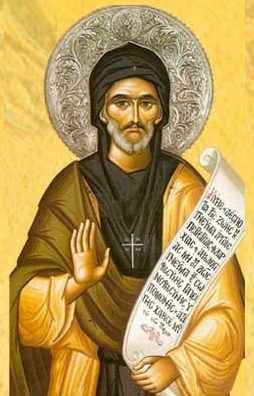
St. Ephrem, also known as Ephrem the Syrian, is a significant figure in Christian mythology. He was born in the early 4th century in Nisibis, which is present-day Turkey. Ephrem is widely recognized for his contributions to Christian theology and liturgical poetry. His works have had a lasting impact on the development of Christian thought, particularly in the Eastern Church. Ephrem’s writings are characterized by their deep spirituality and theological insight, and they often address the nature of God, Christ, and the Holy Spirit. His life and works continue to inspire many believers today.
The Life of St. Ephrem
The life of St. Ephrem is not thoroughly documented, but various historical accounts provide insights into his existence. He was born around the year 306 and lived during a time of great turmoil for Christians in the Roman Empire. The Diocletian persecution was ongoing, and many Christians faced severe trials. Ephrem became a deacon and was deeply involved in the church, using his talents to defend the faith and guide others in their spiritual journeys. His experiences during this tumultuous period shaped his writings and his understanding of the Christian faith.
 St. Ermenilda Of Ely
St. Ephrem’s early life was marked by a desire for spiritual growth and a commitment to prayer. He joined a community of ascetics, where he practiced a life of simplicity and devotion. This community was instrumental in his spiritual development and provided a foundation for his later theological work. Ephrem’s dedication to God and his desire to serve others became evident during this period. His ascetic lifestyle influenced many, and he became known for his profound piety and wisdom.
Contributions to Theology
St. Ephrem made significant contributions to Christian theology, particularly through his writings. He is often referred to as the “Harp of the Holy Spirit” due to his poetic style and the depth of his theological insights. His works encompass a wide range of topics, including the nature of God, the role of the Church, and the importance of the sacraments. Ephrem’s theology emphasized the mystery of the divine and the need for faith in understanding God’s nature.
One of Ephrem’s notable contributions is his emphasis on the incarnation of Christ. He articulated the belief that Jesus is both fully divine and fully human. This understanding of the dual nature of Christ is essential in Christian theology. Ephrem’s writings often explore the implications of the incarnation for salvation and the relationship between humanity and God. He used vivid imagery and metaphors to convey complex theological ideas, making them accessible to ordinary believers.
 St. Stephen Of Perm
The Role of Poetry in Ephrem’s Work
St. Ephrem is particularly known for his use of poetry in expressing theological concepts. His hymns and poems are characterized by their lyrical beauty and rich symbolism. Ephrem used poetry as a means to convey deep spiritual truths and to engage the hearts of his readers. His poetic works often reflect on the mysteries of faith, the nature of God, and the life of the Church. This approach allowed him to communicate complex ideas in a way that resonated with the emotions and experiences of believers.
In his poetry, Ephrem frequently employed metaphors and vivid imagery to illustrate theological concepts. For example, he often compared the Church to a garden, emphasizing the idea of growth and nurturing in the spiritual life. His hymns also explore the relationship between Christ and the Church, portraying them as a bride and groom. This imagery highlights the intimacy of the relationship between believers and Christ, and it encourages a deeper understanding of the Church’s role in the world.
Ephrem’s Influence on Liturgical Practices
St. Ephrem’s contributions extend beyond theology and poetry; he also had a profound impact on liturgical practices within the Christian tradition. His hymns were incorporated into the liturgy of the Eastern Church, enriching the worship experience for countless believers. Ephrem’s emphasis on the beauty of worship and the importance of community in the liturgical setting continues to influence Christian practices today.
 St. Enddwyn
His hymns are often used during important liturgical seasons, such as Lent and Holy Week. The themes of repentance, renewal, and the celebration of the resurrection are prevalent in his works. Ephrem’s ability to articulate the spiritual journey through his hymns has made them a cherished part of the liturgical heritage of the Church. Many congregations still sing his hymns, which serve as a reminder of the richness of the Christian faith and the importance of communal worship.
The Legacy of St. Ephrem
The legacy of St. Ephrem is vast and enduring. He is venerated as a saint in both the Eastern Orthodox and Catholic Churches. His feast day is celebrated on June 9 in the Western Church and on the 20th of May in the Eastern Church. Ephrem’s influence can be seen in various aspects of Christian spirituality, from theology to liturgy. His writings have been studied and revered for centuries, and they continue to inspire theologians, poets, and believers alike.
St. Ephrem’s works have been translated into numerous languages, allowing his insights to reach a global audience. His theological reflections and poetic expressions resonate with people across cultures and denominations. The themes of love, grace, and the mystery of faith found in his writings remain relevant today, encouraging believers to deepen their relationship with God and to engage in the life of the Church.
St. Ephrem the Syrian is a remarkable figure in Christian mythology whose life and works continue to inspire and challenge believers. His theological insights, poetic genius, and commitment to the Church have left an indelible mark on the Christian tradition. Through his writings, Ephrem invites us to explore the depths of our faith and to engage with the mysteries of God. His legacy reminds us of the importance of worship, community, and the transformative power of God’s love in our lives.