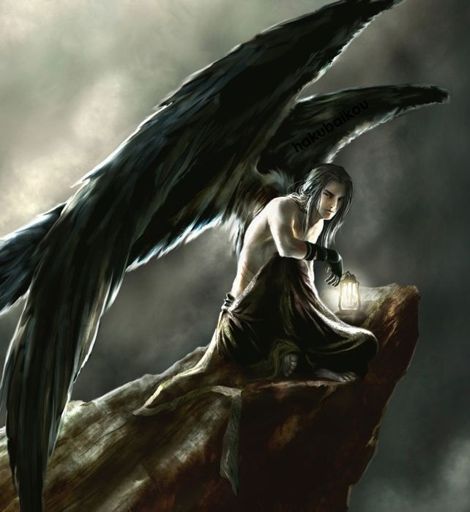
Kunopegos are fascinating creatures that fall under the category of Fallen Angels. They are often depicted in various mythologies and religious texts, representing a blend of beauty and chaos. These beings have captured the imagination of many due to their unique characteristics and the stories that surround them. In this article, we will explore the origins, traits, and cultural significance of Kunopegos, providing a comprehensive understanding of their role in the world of the supernatural.
Origins of Kunopegos
The origins of Kunopegos can be traced back to ancient texts that describe a variety of angelic beings. According to some sources, Kunopegos were once high-ranking angels who fell from grace due to their rebellion against divine authority. This rebellion led to their transformation into Fallen Angels, which is a significant theme in many religious traditions. The term “Kunopegos” itself has roots in ancient languages, often interpreted to mean “the ones who fell” or “the fallen ones.”
 Lahash
In various mythologies, Kunopegos are portrayed as beings with both angelic and demonic qualities. This duality adds to their complexity and allure. They are often described as possessing immense beauty, with features that are both captivating and intimidating. Their fall from grace symbolizes the struggle between good and evil, making them a powerful representation of human conflict.
The stories surrounding Kunopegos often highlight their role as messengers or agents of chaos. In some traditions, they are said to wander the earth, influencing humans in both positive and negative ways. This dual nature makes them intriguing figures in folklore and religious narratives, as they embody the potential for both creation and destruction.
Physical Characteristics of Kunopegos
Kunopegos are often depicted with striking physical features that set them apart from other beings. They are usually described as having majestic wings that can vary in size and color. These wings are often seen as a symbol of their former angelic status, representing both freedom and the burden of their fallen nature. The feathers may be iridescent, reflecting light in a way that captivates those who behold them.
 Lerajie
In addition to their wings, Kunopegos are often portrayed with ethereal beauty. Their facial features are typically described as symmetrical and alluring, drawing attention and admiration. However, there is often a hint of something darker in their appearance, such as glowing eyes or an unsettling smile, which serves as a reminder of their fallen status.
Another notable characteristic of Kunopegos is their attire. They are frequently depicted wearing flowing garments that seem to shimmer and change color, further emphasizing their otherworldly nature. These garments often appear tattered or worn, symbolizing the loss of their former glory. The combination of beauty and decay in their appearance reflects the complexities of their existence as Fallen Angels.
Cultural Significance of Kunopegos
The cultural significance of Kunopegos extends beyond mere appearances; they play important roles in various mythologies and religious beliefs. In many traditions, they are seen as symbols of temptation and desire. Their ability to influence human behavior makes them both revered and feared. They often serve as cautionary figures, warning against the dangers of succumbing to one’s baser instincts.
 Leviathon
In literature and art, Kunopegos have been used to explore themes of morality, redemption, and the nature of good and evil. They often represent the internal struggles that individuals face, embodying the conflict between following one’s desires and adhering to a moral code. This makes them relatable figures, as many people grapple with similar dilemmas in their own lives.
Furthermore, Kunopegos have inspired countless works of fiction, ranging from novels to films. Their complex nature and the rich lore surrounding them provide fertile ground for storytelling. Authors and artists often draw upon the duality of Kunopegos to create compelling narratives that resonate with audiences. As a result, they continue to be relevant in contemporary culture, serving as a reminder of the timeless themes of redemption and transformation.
Kunopegos in Different Mythologies
Kunopegos appear in various mythologies around the world, each culture interpreting them in its own unique way. In some traditions, they are seen as harbingers of chaos, while in others, they serve as guides for lost souls. This diversity highlights the adaptability of the Kunopegos archetype and its relevance across different societies.
- Christianity: In Christian theology, Kunopegos can be likened to the fallen angels mentioned in the Bible. They embody the concept of rebellion against God, often serving as tempters to humanity. Their stories emphasize the consequences of defiance and the possibility of redemption.
- Gnosticism: In Gnostic texts, Kunopegos may be viewed as beings that possess knowledge and wisdom, albeit with a darker agenda. They represent the struggle for enlightenment and the dangers of seeking forbidden knowledge.
- Folklore: In various folklore traditions, Kunopegos are often depicted as mischievous spirits that interact with humans in unexpected ways. They may offer gifts or challenges, testing the resolve of those they encounter.
These diverse interpretations of Kunopegos demonstrate their significance in understanding human nature and the complexities of morality. By examining their roles in different cultures, we gain insight into the universal themes of temptation, conflict, and the search for meaning.
The Psychology of Kunopegos
The psychological implications of Kunopegos are profound, as they represent the duality of human nature. Their existence prompts us to confront our own inner demons and the choices we make in life. The Kunopegos can be seen as a reflection of the shadow self, a concept popularized by psychologist Carl Jung. This aspect of our psyche encompasses the darker, often repressed parts of ourselves that we may be unwilling to acknowledge.
Engaging with the archetype of Kunopegos can be a powerful tool for self-discovery. By recognizing and confronting our own Kunopegos, we can better understand the motivations behind our actions and the struggles we face. This process of introspection can lead to personal growth and transformation, allowing us to embrace both our light and dark sides.
Moreover, the stories of Kunopegos often serve as cautionary tales that highlight the consequences of unchecked desires. They remind us that giving in to temptation can lead to negative outcomes, not only for ourselves but also for those around us. This aspect of their mythology encourages us to cultivate self-awareness and make conscious choices in our lives.
Kunopegos in Modern Media
In modern media, Kunopegos continue to captivate audiences through various forms of storytelling. Their complex nature makes them ideal characters for exploration in literature, film, and television. Many contemporary narratives draw upon the archetype of Kunopegos to delve into themes of morality, identity, and the human experience.
In literature, Kunopegos often appear as protagonists or antagonists, embodying the struggle between good and evil. Authors use their unique characteristics to challenge readers’ perceptions of morality and to explore the complexities of human nature. These characters often undergo significant transformations, reflecting the potential for redemption and growth.
In film and television, Kunopegos are frequently depicted as charismatic and enigmatic figures. Their allure draws viewers in, creating a sense of fascination and intrigue. Many stories feature Kunopegos as central characters who navigate moral dilemmas, highlighting the tension between their fallen nature and their desire for redemption. This portrayal resonates with audiences, as it reflects the universal struggle between light and dark.
How to Engage with the Concept of Kunopegos
Engaging with the concept of Kunopegos can be a transformative experience. Whether through literature, art, or personal reflection, exploring their dual nature can provide valuable insights into our own lives. Here are some ways to connect with the idea of Kunopegos:
- Reading Literature: Dive into books that feature Kunopegos or similar archetypes. Pay attention to how these characters navigate their struggles and what lessons they impart.
- Creative Expression: Use art, writing, or music to explore your own relationship with temptation and desire. Reflect on how these themes manifest in your life.
- Self-Reflection: Take time to reflect on your own Kunopegos. Consider the choices you make and the motivations behind them. What aspects of yourself are you willing to confront?
By actively engaging with the concept of Kunopegos, you can foster a deeper understanding of yourself and the complexities of the human experience. This exploration can lead to personal growth and a greater appreciation for the duality of life.
Kunopegos are a rich and complex archetype within the realm of Fallen Angels. Their origins, physical characteristics, cultural significance, and psychological implications offer a multifaceted view of their role in mythology and modern media. By exploring the concept of Kunopegos, we can gain valuable insights into our own lives and the eternal struggle between good and evil. Through literature, art, and self-reflection, we can engage with these fascinating beings and uncover the deeper meanings they hold for us.