
In Iroquois mythology, Hinu plays a significant role as a powerful figure. The Iroquois, a group of Native American tribes, have a rich tapestry of myths and legends that explain the world around them. Hinu, often associated with creation and the natural world, embodies the connection between humanity and nature. Understanding Hinu’s role in Iroquois mythology helps to appreciate the cultural values and beliefs of the Iroquois people. This article delves into various aspects of Hinu, exploring his characteristics, stories, and the lessons derived from his mythology.
Characteristics of Hinu
Hinu is often depicted as a benevolent figure, embodying the principles of harmony and balance. His character is intertwined with the elements of nature, reflecting the Iroquois belief in the interconnectedness of all living things. Hinu is not just a deity but a symbol of the natural world’s power and beauty. He is frequently associated with the earth, water, and sky, representing the vital forces that sustain life. The Iroquois see Hinu as a guardian of these elements, ensuring that they remain in balance and harmony.
 Hahgwehdaetgah
One of the most important aspects of Hinu’s character is his role as a creator. In many stories, he is responsible for shaping the world, giving life to plants, animals, and humans. This creation narrative is central to Iroquois beliefs, emphasizing the importance of respecting and nurturing the environment. Hinu’s creative powers are often depicted through various myths that illustrate his ability to bring forth life and beauty from the earth.
Hinu in Creation Myths
Hinu is prominently featured in several creation myths within Iroquois culture. These stories often explain how the world came to be and the role of Hinu in that process. One common narrative describes how Hinu descended from the sky world to the earth. He brought with him seeds and knowledge, which he used to cultivate the land. This myth highlights the idea that the earth is a living entity, deserving of respect and care. Hinu’s actions in these stories serve as a reminder of the responsibility humans have toward nature.
In another creation myth, Hinu is said to have created the first humans from the clay of the earth. This act not only emphasizes his role as a creator but also illustrates the connection between humanity and the earth. The clay represents the physical substance of life, and Hinu’s ability to shape it into human form symbolizes the deep bond between people and the natural world. These myths reinforce the belief that humans are an integral part of the ecosystem, responsible for maintaining its balance.
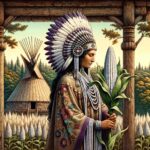 Gunnodoyak
Lessons from Hinu’s Stories
The stories of Hinu carry profound lessons for the Iroquois people. One of the primary teachings is the importance of living in harmony with nature. Hinu’s character and actions serve as a model for how humans should interact with the environment. The Iroquois believe that by respecting the earth and its resources, they can ensure the well-being of future generations. This principle of sustainability is a cornerstone of Iroquois culture and is deeply rooted in the teachings of Hinu.
Another important lesson from Hinu’s stories is the value of community and cooperation. Many myths depict Hinu working alongside other beings, emphasizing the significance of collaboration in achieving goals. The Iroquois culture places a strong emphasis on community, and Hinu’s actions reflect this value. By highlighting the need for teamwork and unity, these stories encourage individuals to work together for the greater good.
Hinu and the Natural World
Hinu’s connection to the natural world is a recurring theme in Iroquois mythology. He is often seen as the embodiment of the earth itself, representing its beauty, strength, and fragility. The Iroquois view Hinu as a protector of nature, ensuring that the balance between different elements is maintained. This belief fosters a deep respect for the environment and a commitment to conservation. Hinu’s presence in nature serves as a reminder of the interconnectedness of all living things.
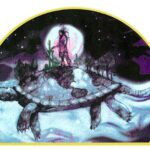 Godasiyo
The stories of Hinu often highlight the importance of various natural elements, such as water, trees, and animals. Each of these elements plays a vital role in the ecosystem, and Hinu’s guardianship over them underscores their significance. For example, water is seen as a life-giving force, essential for all living beings. Hinu’s role in protecting water sources reinforces the need for responsible stewardship of natural resources.
Hinu’s Influence on Iroquois Culture
The influence of Hinu extends beyond mythology into the everyday lives of the Iroquois people. His teachings and stories are woven into cultural practices, rituals, and traditions. For instance, many ceremonies honor Hinu and express gratitude for the gifts of nature. These rituals often involve offerings to the earth, symbolizing the Iroquois commitment to maintaining a harmonious relationship with the environment.
Moreover, Hinu’s stories are integral to the education of younger generations. Elders pass down these myths, teaching children about their cultural heritage and the values associated with Hinu. This oral tradition ensures that the lessons of Hinu are preserved and continue to shape the Iroquois identity. By learning about Hinu, young Iroquois gain a sense of responsibility toward their environment and community.
Comparative Analysis with Other Mythologies
Hinu’s role in Iroquois mythology can be compared to similar figures in other cultural mythologies. Many cultures feature deities or spirits that embody nature and serve as protectors of the earth. For instance, in Native American traditions, various tribes have their own versions of earth and nature spirits, reflecting a universal theme of reverence for the natural world. This commonality highlights the shared human experience of seeking to understand and connect with the environment.
In contrast, some mythologies portray creation figures in a more distant or abstract manner. While Hinu is actively involved in the creation and maintenance of the earth, other mythological figures may be seen as more removed from the natural world. This difference underscores the unique perspective of the Iroquois, who view the earth as a living entity that requires care and respect. Hinu’s direct involvement in creation and his ongoing relationship with nature set him apart from many other mythological figures.
Modern Relevance of Hinu’s Mythology
The teachings of Hinu remain relevant in today’s world, especially in the context of environmental issues. As society faces challenges such as climate change and habitat destruction, the lessons derived from Hinu’s stories offer valuable insights. The emphasis on sustainability and respect for nature is more important than ever, and Hinu serves as a powerful symbol of this message. By reflecting on Hinu’s teachings, individuals can find inspiration to take action in their own lives.
Furthermore, Hinu’s stories encourage a sense of responsibility toward future generations. The Iroquois belief in the importance of caring for the earth resonates with contemporary movements focused on environmental conservation. By adopting the principles embodied by Hinu, individuals and communities can work together to protect the planet and ensure a sustainable future. This enduring relevance highlights the timeless nature of Iroquois mythology and its capacity to inspire positive change.
Hinu stands as a vital figure in Iroquois mythology, embodying the principles of creation, harmony, and respect for nature. His stories not only explain the origins of the world but also impart important lessons about community and environmental stewardship. The influence of Hinu can be seen in the cultural practices of the Iroquois people and their ongoing commitment to preserving the natural world. As society grapples with modern environmental challenges, the teachings of Hinu offer valuable guidance and inspiration for future generations.